A barrier repair cream is a moisturizer designed to help support the skin’s moisture barrier, usually with richer texture and barrier-friendly ingredients such as ceramides, panthenol, glycerin, hyaluronic acid, squalane, or soothing botanical extracts. For U.S. shoppers, the smartest choice is usually a fragrance-free or low-fragrance cream that feels comfortable enough to use consistently on damp skin, especially when your face feels tight, flaky, stingy, or unusually sensitive.
Barrier care is not about adding more steps. It is about simplifying: gentle cleanse, moisturize well, protect with sunscreen in the morning, and pause irritating extras while the skin looks stressed.
Signs Your Skin Barrier May Need Support
Your skin barrier is the outer layer that helps keep moisture in and outside irritants out. When it is feeling depleted, skin often looks and feels different from its usual baseline.
According to the American Academy of Dermatology, dry skin can flake, itch, crack, and in more severe dryness may even bleed. For everyday skincare shoppers, those signs are useful clues that the skin is overly dry or that the barrier may be struggling.
Common cosmetic signs include:
- Tightness after cleansing, even before applying actives
- Flaking around the nose, mouth, cheeks, or forehead
- Stinging when applying products that normally feel fine
- A dull, rough, or papery texture
- Red-looking patches or a flushed appearance
- Makeup clinging to dry areas or separating quickly
If you have persistent itching, cracking, bleeding, widespread rash, or a diagnosed skin condition, it is best to check with a dermatologist. A barrier-supporting routine can be helpful for comfort and appearance, but it is not a substitute for medical care.
What Makes a Good Barrier Repair Cream?
A good barrier-supporting cream does three things: brings water to the skin, softens the surface, and helps reduce moisture loss. Ceramides are especially popular because they are lipids naturally associated with the skin barrier.
The National Eczema Association explains that moisturizers with lipids and ceramides can form a protective layer that helps hold in moisture and keep impurities from settling onto the skin. A 2024 peer-reviewed review indexed in PubMed also notes that changes in ceramide levels and ceramide makeup are linked with disrupted lipid organization in several skin conditions, which helps explain why topical ceramides are so common in barrier-focused skincare.
When comparing labels, look for a few ingredient categories rather than one magic ingredient:
- Ceramides: Barrier-identical lipids often listed as Ceramide NP, Ceramide AP, or Ceramide EOP.
- Humectants: Glycerin, hyaluronic acid, beta-glucan, and panthenol help attract water to the skin’s surface.
- Emollients: Squalane, plant oils, fatty alcohols, and creamy textures help soften roughness.
- Occlusive support: Heavier creams, balms, and ointment-like textures help reduce water loss, especially at night.
- Soothers: Centella, heartleaf, aloe, and panthenol may help the skin feel calmer.
The AAD generally recommends creams or ointments over lotions for dry skin because they tend to add more moisture. If your skin is oily but still dehydrated, you may prefer a gel-cream or a ceramide serum under a lighter moisturizer.
How to Choose a Barrier Repair Cream for Your Skin Type
Dry or flaky skin
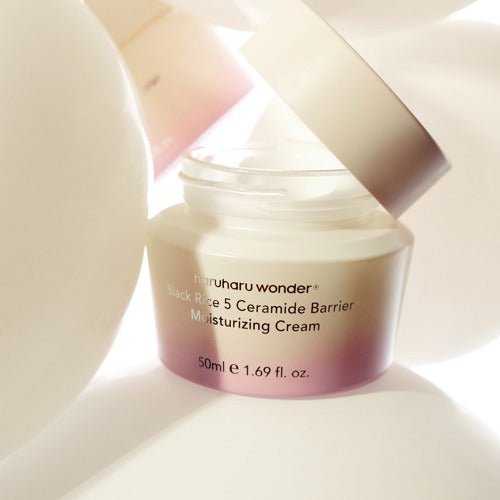
Choose a richer cream, and do not be afraid of a plush finish at night. Haruharu Wonder Black Rice 5 Ceramide Barrier Moisturizing Cream is a direct fit for shoppers who want a ceramide-focused cream for dry-feeling skin and a simple barrier-support step.
Sensitive-looking or easily reactive skin
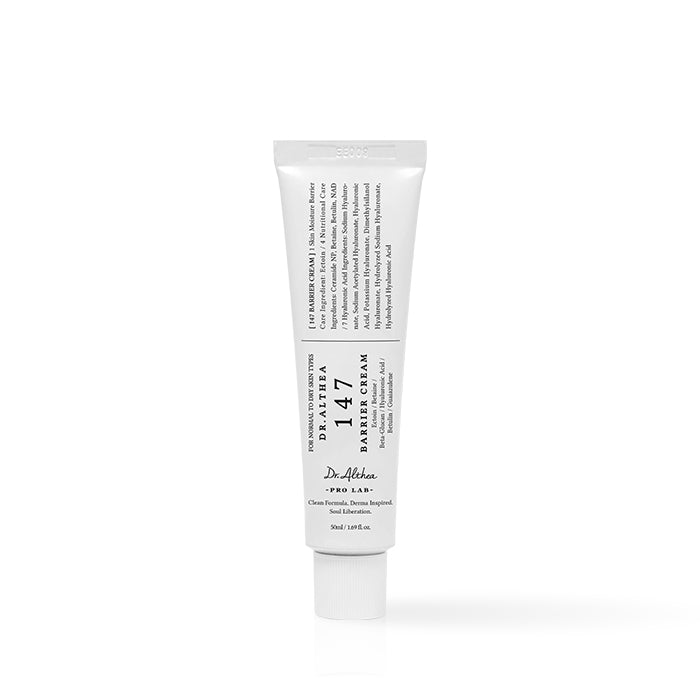
Keep the ingredient list calm and patch test first, especially if your skin is already stinging. Dr.Althea 147 Barrier Cream fits a barrier-care routine because it is positioned for dry and sensitive skin and pairs well with a minimalist approach.
Oily but dehydrated skin
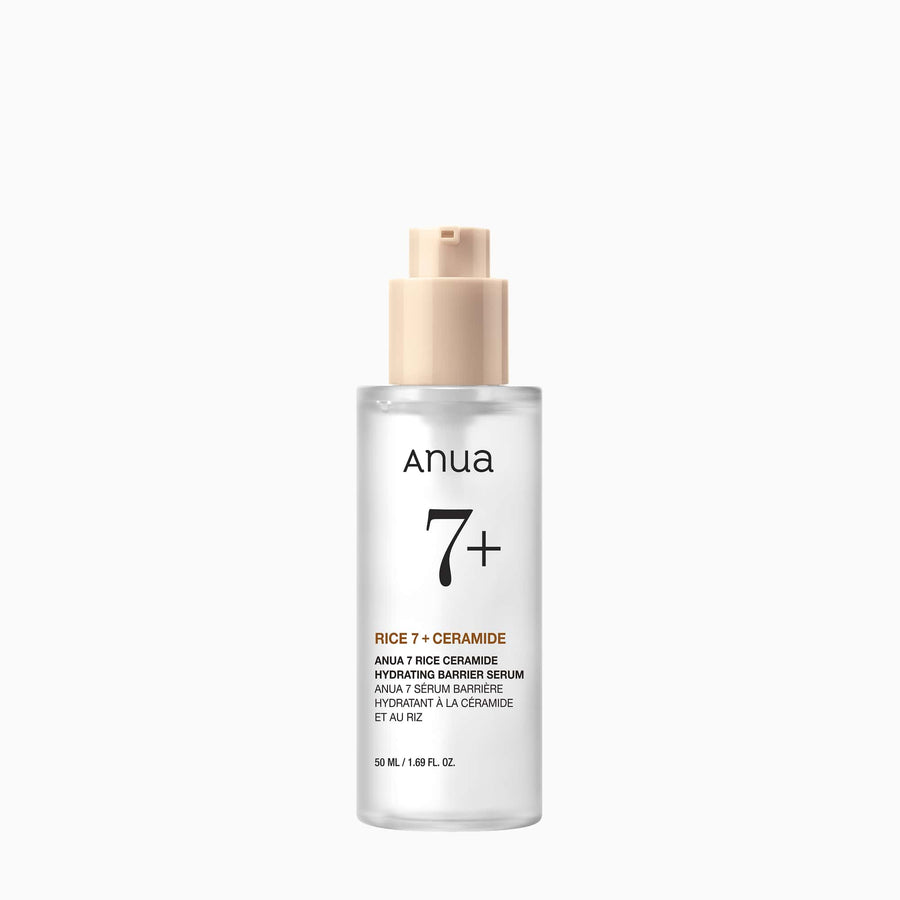
Barrier support does not always have to mean a heavy cream. Anua Rice 7 Ceramide Hydrating Barrier Serum is useful when you want ceramide care in a lighter serum layer before moisturizer.
Skin that feels tight after cleansing
Start at step one. Arencia Calendula Rice Mochi Cleanser is a gentle option from our cleanser assortment that fits dry or sensitive-skin routines without making the whole routine feel complicated.
You can browse more options in Barrier Care Skincare, Korean Moisturizers & Creams, and Korean Skincare for Sensitive Skin.
Build a Low-Irritation Barrier Routine
During a barrier reset, consistency matters more than trend claims. The AAD recommends applying a fragrance-free moisturizer right after bathing or showering while the skin is still damp, then reapplying whenever skin feels dry. The National Eczema Association similarly recommends applying a thick layer of moisturizer within three minutes after bathing or showering to help seal in hydration.
Use this simple structure for one to two weeks, then adjust as your skin feels more comfortable:
- Cleanse gently at night. Use lukewarm water and avoid scrubbing. If your face is not oily in the morning, rinsing with water may be enough.
- Add hydration while skin is slightly damp. A soothing toner, mist, or hydrating serum can help, but skip this step if even watery layers sting.
- Apply your barrier cream generously. Use enough to leave skin comfortable, not squeaky or tight. Dry patches may need a second thin layer.
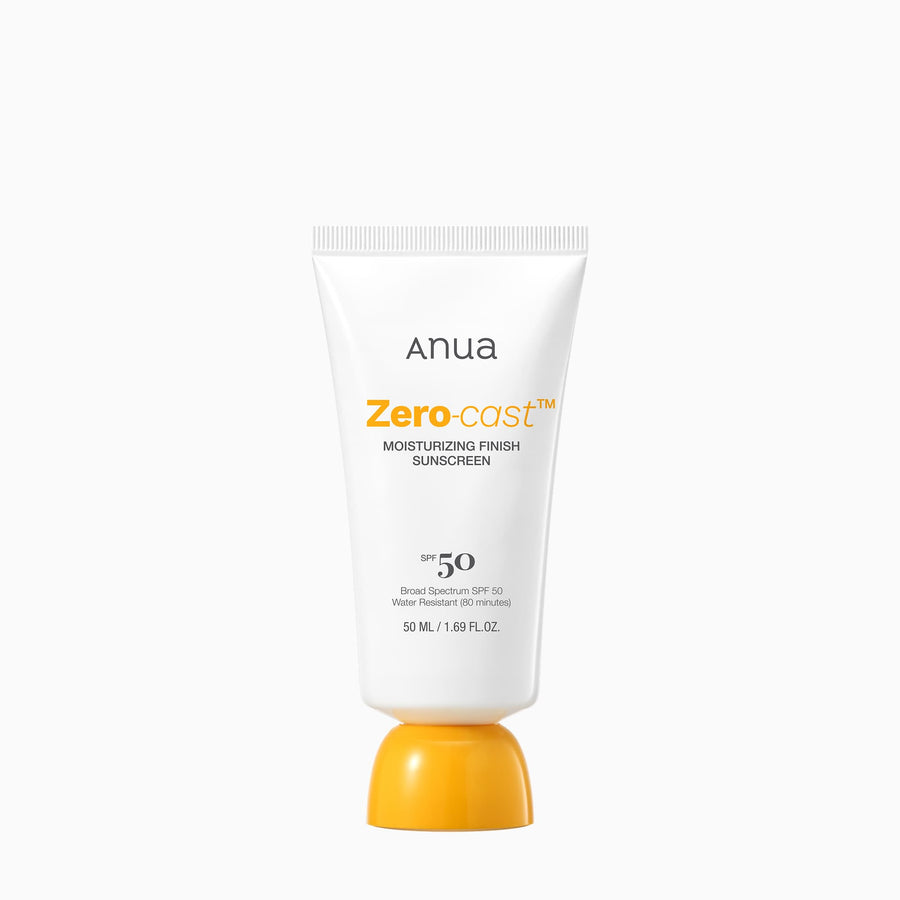
- Use sunscreen every morning. A comfortable sunscreen helps protect skin from UV exposure while you keep the rest of the routine calm. Anua Zero-Cast Moisturizing Finish Sunscreen is a good match when you want a moisturizing daily SPF texture.
- Reapply moisturizer when needed. If cheeks or the mouth area feel tight by mid-day, use a small amount of cream only where needed.
If you like a more detailed routine map, Koreos has a guide to choosing between a 5, 7, or 10 step Korean skincare routine. For richer comparisons, see our guide to Korean moisturizers for dry skin.
What to Pause While Your Barrier Feels Stressed
When skin is tight, flaky, or stingy, it is usually not the best time to test multiple exfoliants, strong actives, or heavily fragranced products. A temporary pause can help you identify what your skin actually tolerates.
Consider taking a break from:
- AHA, BHA, and peeling products
- Retinoids or retinal products if they sting on application
- Vitamin C products that tingle more than usual
- Scrubs, cleansing brushes, and rough washcloths
- Fragranced leave-on products if your skin is reactive
The AAD advises people with dry, sensitive skin to choose gentle, fragrance-free products, and notes that products labeled unscented may still contain masking ingredients that can bother sensitive skin. Fragrance-free is usually the clearer label to look for when your barrier is acting up.
U.S. Shopping Notes: Creams, Drops, and Ceramide Trends
Barrier care has expanded beyond classic thick creams. Recent beauty coverage and newer product formats show more ceramide drops, lightweight barrier serums, and drugstore-style moisturizers entering the conversation. That can be helpful if you dislike heavy textures, but do not let format distract from the basics: gentle products, damp-skin moisturizing, sunscreen, and steady use.
Recent research also reflects ongoing interest in ceramide-based moisturizers. A 2026 randomized, double-blind, placebo-controlled study evaluated a Ceramide NP-containing moisturizer in adults with atopic dermatitis, while a 2025 observational study discussed sensitive-skin use of a formula with Centella asiatica leaf extract, Ceramide NP, and panthenol. These studies support the broader rationale for ceramide-focused barrier care, while individual product results can vary.
For Koreos shoppers across the U.S., orders placed by 5pm ET on business days usually ship the same day, and U.S. shipping is free on orders $35+. If your skin is actively irritated, order fewer products, not more: one cleanser, one moisturizer, and one sunscreen is often the smartest starting point.
FAQ
Is a barrier repair cream the same as a moisturizer?
Usually, yes, but it is a more specific type of moisturizer. A barrier repair cream typically emphasizes richer hydration and barrier-supporting ingredients such as ceramides, panthenol, glycerin, or emollients.
How often should I apply barrier cream?
Apply it after cleansing while skin is slightly damp, and reapply whenever dry areas feel tight. At night, a slightly thicker layer can help skin feel more comfortable by morning.
Can oily skin use a ceramide barrier product?
Yes. Oily skin can still feel dehydrated or sensitized. Try a ceramide serum or lighter gel-cream texture, then use richer cream only on dry patches.
Should I stop exfoliating while using barrier repair cream?
If your skin is stinging, peeling, or unusually red-looking, pause exfoliation for a short period. Once your skin feels calm, reintroduce exfoliants slowly and not on the same night as other potentially irritating actives.
How long does barrier support take?
Comfort can improve quickly for some people, but visible dryness and roughness may take consistent care. If symptoms are painful, persistent, or worsening, see a dermatologist.