Double cleansing is an optional evening cleansing method: first use an oil-based cleanser, cleansing balm, or micellar water to loosen makeup, sunscreen, sebum, and long-wear residue, then follow with a gentle water-based cleanser. It is most useful if you wear makeup, use water-resistant or generous sunscreen, have oily skin, sweat heavily, or live where heat and humidity make buildup feel stubborn.
It is not a rule everyone needs twice a day. For many U.S. shoppers, the smartest approach is targeted: double cleanse at night when your skin actually needs it, keep the morning simple, and avoid harsh scrubbing that can leave skin tight.
What Double Cleansing Is—and Who Actually Benefits
According to Cleveland Clinic, double cleansing usually starts with an oil-based cleanser, balm, or micellar water, followed by a water-based cleanser. The first step is about dissolving oil-soluble buildup; the second step is about washing the skin clean without leaving a heavy residue.
Think of it as a practical removal system, not a luxury ritual. If you wore a cushion foundation, waterproof liner, mascara, sunscreen, setting powder, or a long-wear lip tint, one quick face wash may not break everything down evenly.
You may benefit from double cleansing if you:
- Wear foundation, concealer, powder, blush, or eye makeup most days.
- Apply sunscreen generously or reapply during the day.
- Use water-resistant makeup, mascara, eyeliner, or lip color.
- Have oily skin and want a more thorough nighttime cleanse without stripping.
- Spend time in sweat, humidity, city grime, or outdoor SPF layers.
You may not need it every night if you wore no makeup, used a light indoor routine, or your skin feels easily dry and comfortable after one gentle cleanse. If you are building a full routine around cleansing, toner, serum, and cream, our guide to a Korean skincare routine can help you decide how many steps make sense.
How to Double Cleanse Step by Step
The best double cleanse feels calm and efficient. It should not feel squeaky, hot, or abrasive. The American Academy of Dermatology recommends lukewarm water, applying cleanser with fingertips, avoiding rough washcloths or mesh sponges, and moisturizing if skin feels dry or itchy. A 2026 randomized study on facial cleansing also reinforced that water temperature matters for skin barrier outcomes, so hot water is not a small detail.
- Start with dry hands and a dry face. Apply your first cleanser before adding water. Oils and balms work best when they can meet makeup, sunscreen, and sebum directly.
- Massage gently for 30 to 60 seconds. Use fingertips, not pressure. Focus on the hairline, sides of the nose, jawline, and areas where sunscreen or makeup collects.
- Handle eye makeup separately if needed. For stubborn mascara or liner, use a dedicated remover before or during the first cleanse. CLIO Kill Lash Mascara Remover is a practical choice when superproof mascara needs targeted removal without tugging.
- Emulsify or remove the first cleanser. Add a little water to turn many oils or balms milky, then rinse well. If using micellar water, swipe gently with a soft cotton pad until makeup lifts.
- Use a gentle second cleanser. Massage with lukewarm water, then rinse thoroughly. The second cleanser should match your skin type, not punish it.
- Pat dry and moisturize. If your skin feels tight, use fewer cleansing nights, switch to a gentler second cleanser, or follow sooner with hydrating toner and moisturizer.
For eye and lip color, Etude Lip & Eye Remover fits well as a targeted first removal step before your facial cleanser, especially when pigment sits close to the lash line or lips.
Choosing Oil, Balm, Micellar, Gel, Cream, or Foam by Skin Type
The first cleanser should match what you are removing. The second cleanser should match your skin. That distinction makes shopping much easier.
Oil cleansers
Choose a cleansing oil if you wear sunscreen, long-wear base makeup, or water-resistant formulas often. Oil textures help lift oil-based residue such as sebum, SPF, mascara, and foundation so your second cleanser does not have to do all the work.
Oily skin can still use an oil cleanser; the key is rinsing well and following with a gentle water-based cleanser. Avoid using a harsh second cleanser just because your skin is oily.
Cleansing balms
Balms are solid or sherbet-like cleansers that melt into an oil texture. They are especially convenient for travel and for evening makeup removal because they are less drippy than liquid oils.
Choose a balm if you like a cushiony massage step or wear layered makeup. Rinse until the slip is gone before moving to your second cleanse.
Micellar water
Micellar water can act as a first cleanse because it uses mild cleansing agents to lift dirt, oil, and most makeup. Cleveland Clinic notes that when removing sunscreen or cosmetic products, it is wise to follow with a gentle oil- or water-based cleanser.
Micellar water is useful for light makeup, quick removal, or people who dislike oils. Do not scrub with cotton rounds; hold, press, and swipe softly.
Gel cleansers
Gel cleansers are often a good second-cleanse format for combination, oily, or blemish-prone skin. Look for a formula that rinses clean without leaving skin tight.
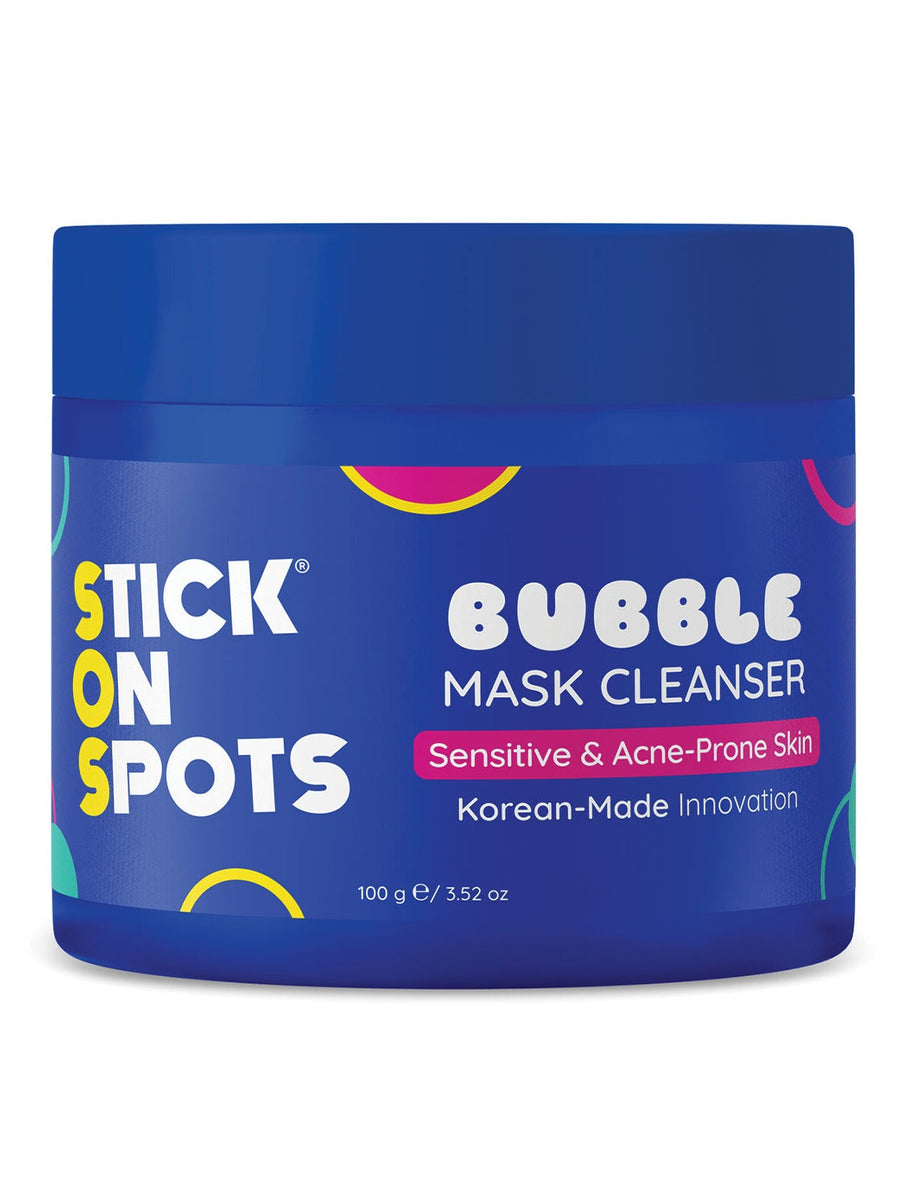
If you prefer a fresh second cleanse, S.O.S Bubble Mask Cleanser is a Koreos Originals cleanser option in our oily and sensitive skin edits, making it a fitting pick for shoppers who want a clean-feeling finish without building an aggressive routine.
Cream or milk cleansers
Creamy cleansers are best when skin feels dry, sensitive, or easily tight after washing. They are also a good second cleanse after makeup removal because they help keep the routine comfortable.
For a softer-feeling second cleanse, Arencia Calendula Rice Mochi Cleanser belongs in both dry-skin and sensitive-skin edits at Koreos, so it makes sense for shoppers who want a gentler-feeling follow-up after balm, oil, or micellar water.
Foaming cleansers
Foam can be helpful for oily skin, but choose carefully. The American Academy of Dermatology warns that harsh face washes can over-dry and irritate oily skin, which may make oiliness look worse. Gentle matters more than “strong.”
If you like a foaming second cleanser, Medicube Azelaic Acid Niacinamide Deep Clean Foam Cleanser is positioned in oil-control and sensitive-skin collections, making it a reasonable option for oily or blemish-prone routines that still need a measured approach.
A U.S. Shopper Checklist: Build the Right Pair
Before buying, decide what problem your cleanse is solving. Koreos carries Korean cleansers, sunscreens, and makeup for routines that need different levels of removal. Orders over $35 ship free in the U.S., and orders placed by 5pm ET on business days usually ship the same day.
- If you wear daily SPF only: micellar water, oil, or balm first; gentle gel, cream, or low-stripping foam second.
- If you wear cushion foundation: balm or oil first; gel or cream second depending on skin type.
- If you wear waterproof mascara: use a dedicated eye makeup remover, then cleanse the full face.
- If you have oily skin: choose thorough, not harsh. Pair oil or micellar first with a gentle gel or foam second.
- If you have dry or sensitive skin: use double cleansing only when needed, and choose a creamy or comfort-focused second cleanser.
- If your skin feels tight afterward: shorten massage time, use cooler lukewarm water, switch your second cleanser, or double cleanse less often.
Sunscreen wear is one of the most common reasons to double cleanse at night. If you are comparing SPF textures, our guide to no-white-cast Korean sunscreens for Florida may help you choose a formula you will actually apply enough of.
Common Double Cleansing Mistakes to Avoid
Using hot water. Hot water can leave skin feeling dry or flushed. Use lukewarm water, and if your skin is reactive, lean cooler rather than warmer.
Scrubbing to feel cleaner. Fingertips are enough for daily cleansing. Rough cloths, mesh sponges, and hard pressure can make skin feel irritated.
Choosing two strong cleansers. Double cleansing is already two steps. Your second cleanser should be gentle, especially if the first step removed heavy makeup well.
Doing it automatically morning and night. Most people who benefit from double cleansing need it at night, not after sleeping on clean skin. In the morning, water or one mild cleanse may be enough depending on your skin.
Skipping moisturizer. If skin feels dry or itchy after washing, moisturize promptly. A comfortable finish is a sign your cleanse is better balanced.
Ignoring skin changes. Seasonal dryness, new actives, travel, and South Florida humidity can change what your skin tolerates. Patch test new products, introduce one at a time, and see a dermatologist for persistent irritation, rashes, or medical skin concerns.
FAQ
Do I need double cleansing every night?
No. Double cleansing is optional. Use it at night when you wore makeup, heavy or water-resistant sunscreen, long-wear products, or feel oily and coated by the end of the day.
Can oily skin use cleansing oil?
Yes, many oily skin types can use cleansing oil or balm as the first step. The important part is rinsing well and following with a gentle second cleanser rather than a stripping wash.
Is micellar water enough as a first cleanse?
Often, yes for light makeup or everyday buildup. If you wore sunscreen or cosmetics, follow with a gentle cleanser to finish the cleanse.
Should my second cleanser be gel, cream, or foam?
Choose by skin feel: gel or gentle foam for oily and combination skin, creamier textures for dry or sensitive skin. If your skin feels tight afterward, your second cleanser may be too strong.
Can double cleansing help with the look of clogged pores?
It may help skin look clearer by removing makeup, sunscreen, sebum, and residue more thoroughly. It is not a medical treatment, so persistent breakouts or irritation should be discussed with a dermatologist.