A tranexamic acid serum is best for shoppers who want a steady, generally well-tolerated brightening step for the look of dark spots, post-acne marks, melasma-prone discoloration and uneven tone. It is not an overnight spot eraser; most routines need daily sunscreen and consistent use for several weeks to months before the tone looks more even.
For US shoppers comparing brightening products, tranexamic acid, often shortened to TXA, fits especially well in a Korean skincare routine because it layers easily with hydrating toners, niacinamide, vitamin C derivatives, kojic acid or azelaic acid. At Koreos in Boca Raton, orders placed by 5pm ET on business days usually ship the same day, with free US shipping on orders $35+.
What tranexamic acid serum does for uneven tone
Tranexamic acid is a brightening active used in skincare for the appearance of excess pigmentation. It is often chosen for stubborn-looking discoloration: brown post-blemish marks, sun-triggered unevenness, patches that look more noticeable after heat or UV exposure, and overall dull, blotchy tone.
A 2026 review on post-inflammatory pigmentation changes explains that topical TXA appears to work by interfering with plasmin-related signaling in skin cells. In simpler terms, it may help quiet some of the visible pathways that can encourage excess-looking pigment after inflammation or UV exposure.
Another 2026 literature review found that topical TXA serums or solutions are commonly studied around 2% to 5%, often used twice daily, with visible brightening reported around 4 to 8 weeks. A separate 2026 review focused on skin of color noted that topical TXA combinations have shown about 30% to 40% improvement in the look of pigmentation with favorable tolerability, but many routines required at least 3 months.
That timeline matters. If a mark formed slowly, has been dark for months, or becomes darker with sun and heat, a brightening routine usually needs patience. Think of TXA as a consistency ingredient: it helps support a more even-looking complexion over time, especially when sunscreen is non-negotiable.
How to choose a tranexamic acid product
The best TXA product is not always the strongest one. Look for a formula that matches your skin type, your routine, and the other actives you already use.
- Concentration: many topical TXA formulas sit in the 2% to 5% range or use a TXA derivative. Higher does not automatically mean better for sensitive skin.
- Partner ingredients: niacinamide is a popular pairing because it supports a more even-looking tone and helps many formulas feel balanced. Vitamin C derivatives, kojic acid and azelaic acid can also be useful, but introduce them thoughtfully.
- Texture: lightweight gels and watery serums layer well under moisturizer and SPF. Creamier formulas may suit dry skin or nighttime use.
- Skin comfort: TXA is generally considered well tolerated in reviews, but dryness or mild irritation can happen. Patch test first, especially if you use exfoliating acids, retinoids or strong vitamin C.
- Sun routine: no dark spot serum can do its best work if UV exposure keeps triggering the look of new discoloration.
If you are building from scratch, browse Korean serums and ampoules for your active step, then pair it with barrier support and Korean sunscreen. For more ingredient comparisons, Koreos also has a related guide on TXA, kojic acid and niacinamide for the look of dark spots.
How to use TXA in a morning or night routine
Tranexamic acid is flexible. Many people use it once daily at first, then increase if the formula and the rest of the routine feel comfortable. If a product’s directions recommend a specific frequency, follow that label.
- Cleanse gently. Avoid stripping the skin, especially if you are also using exfoliating acids or blemish-focused products.
- Apply toner or essence if you use one. Hydrating layers can make brightening routines feel more comfortable.
- Apply TXA serum. Use a thin, even layer over areas of uneven tone or the full face if the product is designed that way. Avoid the immediate eye area unless the product is made for eyes.
- Moisturize. A simple cream helps reduce dryness and supports the skin barrier while you stay consistent.
- Use sunscreen every morning. This is the step that protects your progress.
According to the American Academy of Dermatology, sunscreen is the starting point for dark spot care because it can help prevent new spots and help existing spots look like they are clearing. The AAD also recommends tinted broad-spectrum SPF 30 or higher when visible-light protection is a priority, especially for deeper skin tones and discoloration that looks melasma-prone.
If you prefer an untinted Korean SPF, use it generously and reapply as directed, then consider a tinted sunscreen or complexion product on top when visible light is a concern. For Florida heat and humidity, the Koreos guide to no-white-cast Korean sunscreens can help you choose a texture you will actually wear every day.
Brightening pairings to shop at Koreos
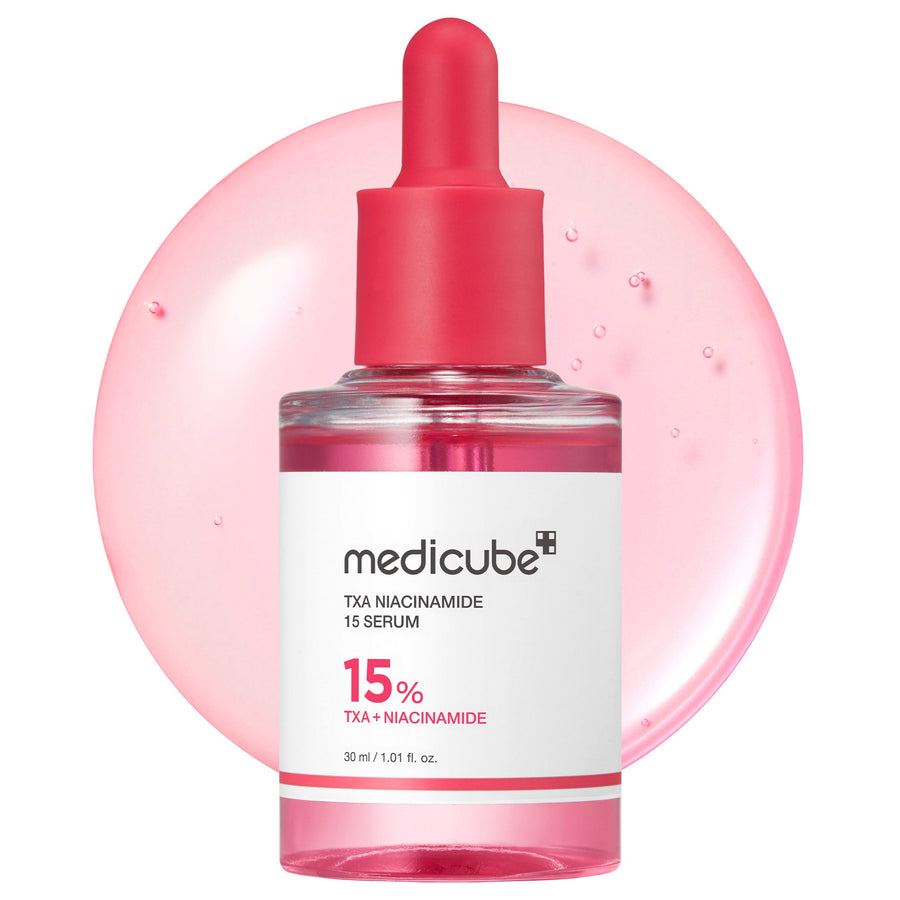
For a direct TXA step, Medicube TXA Niacinamide 15 Serum is the most relevant pick because it combines TXA with niacinamide and hyaluronic acid in a brightening serum format for uneven-looking tone.
If your routine already has TXA and you want a niacinamide-focused option, Dr.Althea 15% Niacinamide Purity Serum can support the look of clarity and balance, especially for oily or pore-focused routines.
For a vitamin C-style brightening partner, Goodal Green Tangerine Vita C Dark Spot Care Serum Alpha fits well for shoppers who want a glow-focused serum with niacinamide, centella and hyaluronic acid; alternate routines at first if your skin is reactive.
For kojic acid in a nighttime mask format, Medicube Kojic Acid Turmeric Night Wrapping Mask 2.0 is a useful add-on for brightening-focused routines, but it should not be layered with every strong active on the same night.
If redness-prone uneven tone and post-blemish marks are part of the concern, Anua Azelaic Acid 10 Hyaluron Redness Soothing Serum offers an azelaic acid option with hydrating and soothing support. For a deeper look at this ingredient, read the Koreos azelaic acid serum guide.
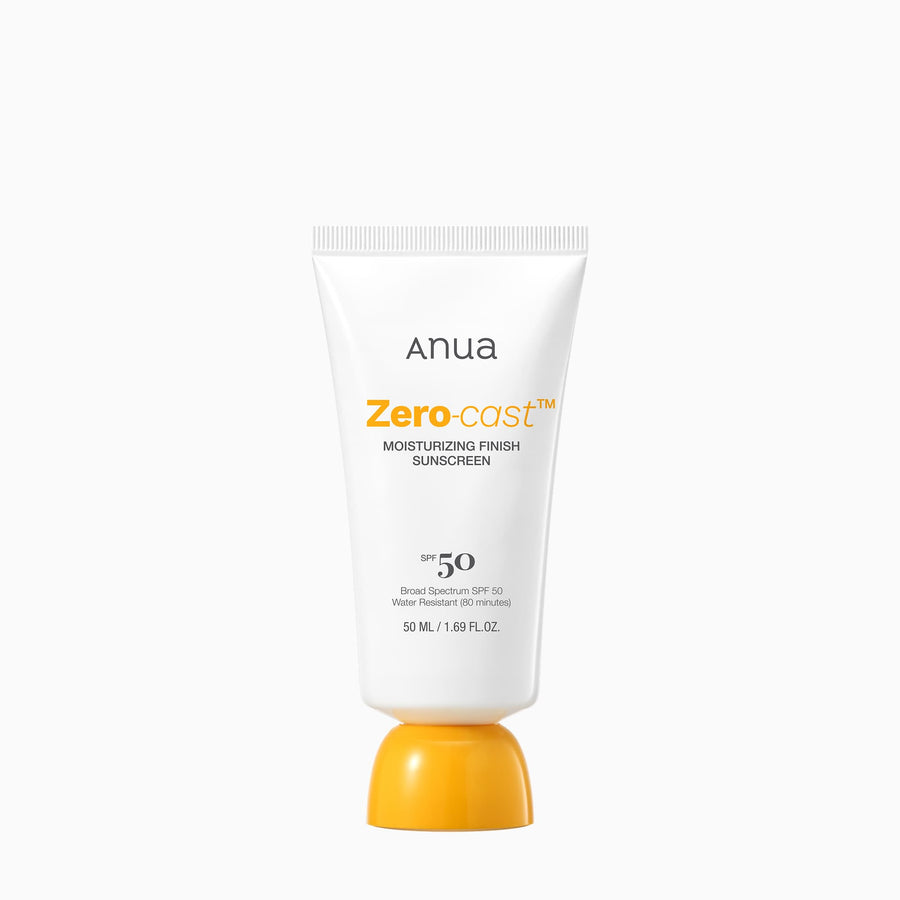
Finally, every TXA routine needs SPF. Anua Zero-Cast Moisturizing Finish Sunscreen is a lightweight daily sunscreen option for shoppers who want hydration and a comfortable finish under makeup.
You can also explore the full brightening Korean skincare collection to build a routine gradually instead of stacking too many actives at once.
What results to expect, and when to see a dermatologist
Most shoppers should judge a TXA serum over weeks, not days. Based on 2026 review data, some visible lightening may appear around 4 to 8 weeks, while more stubborn discoloration may need 3 months or longer. Post-acne marks can also vary: newer marks often look easier to fade than older, deeper-looking discoloration.
Results may fade after stopping, especially if sun exposure, heat or irritation continue to trigger new unevenness. That does not mean TXA failed; it means brightening care is usually maintenance-focused. Once the tone looks more even, many people continue with sunscreen daily and use brightening actives a few times per week as tolerated.
Use caution if your skin is peeling, stinging, sunburned or over-exfoliated. Pause strong actives and focus on cleanser, moisturizer and sunscreen until the skin feels calm. If you are pregnant, trying to conceive, breastfeeding, managing melasma, or dealing with sudden or changing pigmentation, ask a dermatologist or physician before starting new actives. Paula’s Choice notes that topical TXA is not known to be a problem during pregnancy, but available data is not strong enough to recommend it without medical discussion.
A simple patch test can save your routine: apply a small amount near the jaw or behind the ear for a few nights before using it broadly. If you notice persistent burning, swelling, rash-like irritation or worsening discoloration, stop and seek professional advice.
FAQ
Can tranexamic acid serum help post-acne marks?
It may help the look of brown post-acne marks and uneven tone, especially when used consistently with daily sunscreen. For active breakouts or scarring concerns, see a dermatologist.
Can I use TXA with niacinamide?
Yes, TXA and niacinamide are commonly paired in brightening formulas. This combination can support a more even-looking tone while staying comfortable for many skin types.
Should I use tranexamic acid in the morning or at night?
Either can work. Morning use must be followed with sunscreen, while nighttime use may be easier if you also wear makeup or prefer a simpler AM routine.
How long does tranexamic acid take to work?
Some people notice a brighter look in 4 to 8 weeks, but stubborn dark spots or melasma-prone discoloration may need 3 months or more of consistent use.
Do I still need sunscreen if I use TXA?
Yes. Sunscreen is essential because UV and visible light can keep discoloration looking darker. For deeper skin tones or melasma-prone patches, consider tinted broad-spectrum SPF 30 or higher.