To help fade the look of dark spots, combine a brightening serum with daily sunscreen and give it time. Tranexamic acid (TXA), kojic acid and niacinamide are three of the most popular brightening ingredients in Korean skincare. Each helps skin look more even and radiant, and they often work well together. But without sunscreen every morning, no brightening product can keep up, because sun exposure makes dark spots and post-blemish marks look darker.
What Causes the Look of Dark Spots?
Dark spots and uneven tone are common. Some of the usual culprits include:
- Sun exposure, which is the big one, especially in Florida
- Post-blemish marks, the flat brown or red marks left after a blemish
- Hormonal changes that can lead to patchy, uneven-looking tone
- Picking or rubbing the skin
Brightening skincare can help these spots look lighter and less noticeable over time. If a spot changes in size, shape or color, or appears suddenly, have it checked by a dermatologist.
The Three Key Ingredients
Tranexamic acid (TXA)
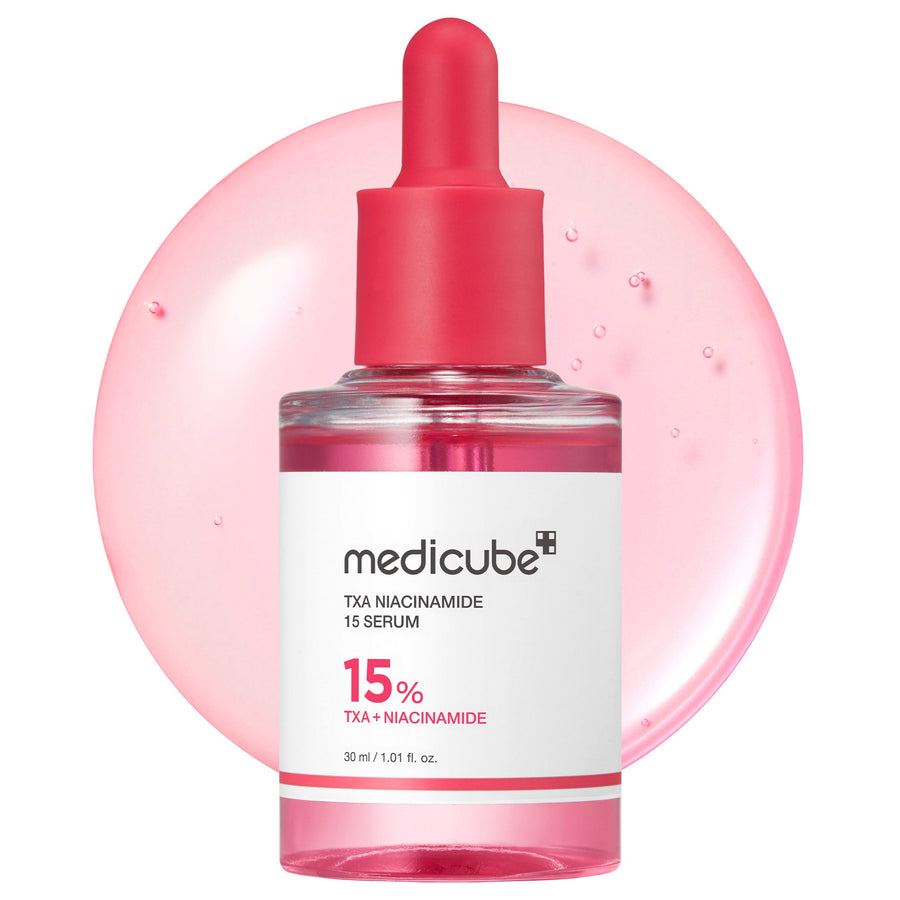
TXA has become a K-beauty favorite for helping the look of stubborn uneven tone. It's generally well tolerated and layers easily with other brightening ingredients. Try the Medicube TXA Niacinamide 15 Serum, a fragrance-free serum that pairs TXA with niacinamide. For a lighter, toner-step option, the Jumiso Niacinamide 2+ Pore Smoothing Toner also includes TXA.
Kojic acid
Kojic acid is a brightening ingredient derived from fungi used in food fermentation. In skincare, it helps skin look brighter and more even. The Medicube Kojic Acid Turmeric Vita Jelly Mist Serum combines kojic acid with vitamin C in an easy mist format. For an overnight option, the Medicube Kojic Acid Turmeric Night Wrapping Mask goes on as the final step at night.
Niacinamide
Niacinamide (vitamin B3) is one of the most versatile ingredients in skincare. It helps the look of dark spots and uneven tone, helps refine the look of pores and supports a healthy-looking moisture barrier. The Dr.Althea 15% Niacinamide Purity Serum is a concentrated option, while the Jumiso Niacinamide 5+ Overnight Cream pairs niacinamide with TXA and ceramides in a moisturizer.
Supporting players
You'll often see vitamin C and glutathione in brightening formulas too. The Goodal Green Tangerine Vita C Dark Spot Care Serum is a popular vitamin C pick for a brighter-looking complexion.
Can You Use TXA, Kojic Acid and Niacinamide Together?
Generally, yes. These ingredients are often combined in the same formula, and they tend to layer well. A few guidelines:
- Start with one product and add a second after a couple of weeks, so you know how your skin reacts.
- Patch test new brightening products on a small area first.
- Be careful with strong exfoliants. Combining several brightening serums with high-strength acids or retinoids on the same night can leave skin irritated, and irritation can make dark spots look worse.
- Keep hydration in the routine. Comfortable, well-moisturized skin tends to look more even.
A Sample Brightening Routine
Morning
- Gentle cleanser
- Toner (for example, a niacinamide toner)
- TXA or niacinamide serum
- Lightweight moisturizer
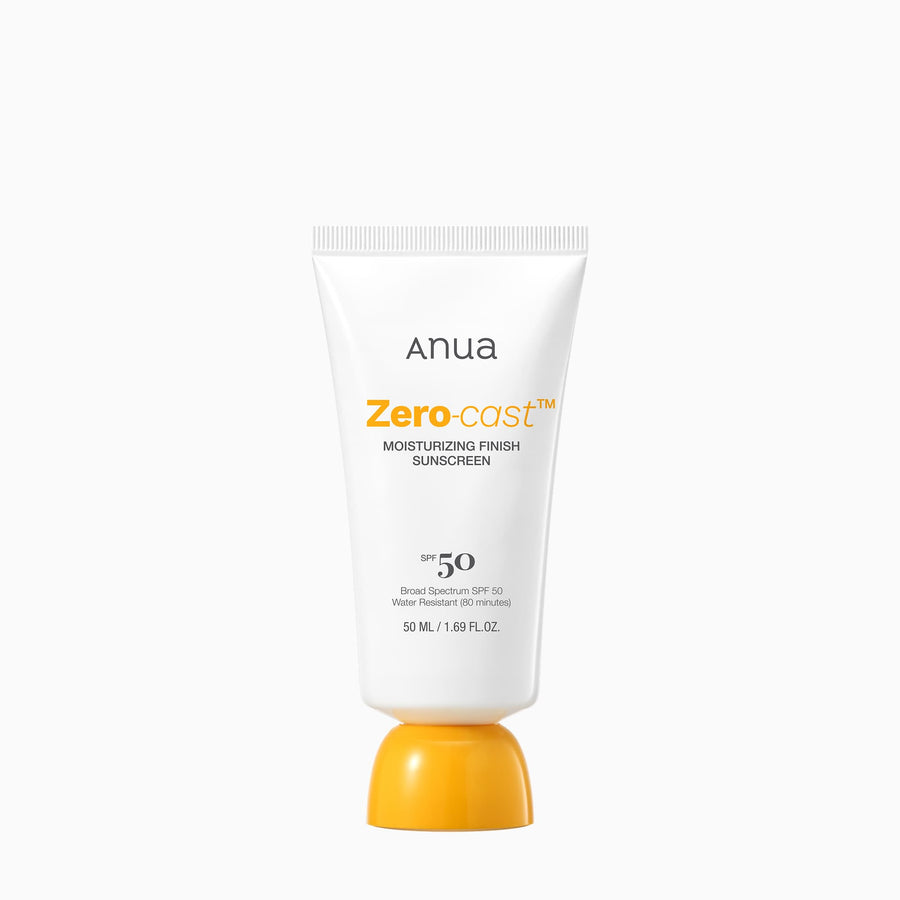
- Sunscreen, such as the Anua Zero-Cast Moisturizing Finish Sunscreen. Follow the Drug Facts and reapply at least every 2 hours outdoors.
Evening
- Double cleanse
- Toner or kojic acid mist
- Brightening serum (TXA, niacinamide, or a different one from the morning)
- Moisturizer or overnight cream
Find more options in our brightening collection.
Choosing the Right Format
- Serums are the most concentrated option and a good first choice for a targeted brightening step.
- Toners and mists are lighter and easy to add to an existing routine, especially for oily skin in humid weather.
- Overnight creams and masks suit dry skin and anyone who prefers fewer steps in the morning.
Pick one or two formats rather than buying a brightening product for every step.
How Long Does It Take?
Patience is the hardest part. Most people need at least 8–12 weeks of consistent use, plus daily sunscreen, to notice a difference in the look of dark spots. Post-blemish marks often respond faster than older sun spots. Take photos in the same lighting every few weeks so you can track progress honestly.
Sun Protection: The Non-Negotiable Step
Sunscreen is the most important part of any routine aimed at an even-looking tone. In Florida, UV exposure is high all year. Use a broad spectrum sunscreen every morning, reapply at least every 2 hours when outdoors (more often if swimming or sweating), wear a hat and seek shade during midday hours.
Get Help Building Your Routine
Visit our Boca Raton store at 225 E Palmetto Park Road for a free skin consultation and brightening recommendations, or shop online with free US shipping on orders of $35 or more, shipped from Florida (orders placed by 5pm ET on business days usually ship the same day).
Related Guides
Daily sunscreen is the step that protects your progress; our no-white-cast Korean sunscreen guide has picks for Florida weather. For more on one of these ingredients, read the niacinamide serum shopper guide. If your marks come from breakouts, pair this plan with Korean skincare for blemish-prone skin and pimple patches that keep fingers off new spots.
Frequently Asked Questions
Which is better for dark spots: TXA, kojic acid or niacinamide?
There's no single best ingredient. TXA, kojic acid and niacinamide each help the look of dark spots and uneven tone, and many people use them together. Daily sunscreen matters most.
Can I use TXA and niacinamide together?
Yes. TXA and niacinamide are commonly paired, and many serums already contain both. Patch test and introduce one new product at a time.
How long does it take to see the look of dark spots fade?
Most people need 8 to 12 weeks of consistent use plus daily sunscreen. Post-blemish marks often look lighter sooner than older sun spots.
Do I need sunscreen if I use brightening products?
Yes. Sun exposure makes dark spots look darker, so daily broad spectrum sunscreen is essential for any brightening routine. Follow the Drug Facts directions.
This article is for general information and isn't medical advice. For persistent skin concerns, see a dermatologist.