The best Korean skincare for blemish-prone skin is a gentle, consistent routine: a low-stripping cleanser, a calming toner, one targeted serum with ingredients like azelaic acid, niacinamide or tea tree, a lightweight moisturizer and daily sunscreen. K-beauty's strength here is its focus on keeping skin comfortable and hydrated instead of drying it out, which helps skin look clearer and calmer over time.
Why a Gentle Approach Works Better
When skin is prone to blemishes, it's tempting to scrub, strip and pile on every strong product at once. That often backfires. Over-cleansing and harsh products can leave skin tight, flaky and still shiny, because skin that feels dehydrated may look oilier.
The Korean approach focuses on balance: cleanse gently, hydrate well, use targeted ingredients in moderation, and protect skin from the sun every day.
Key K-Beauty Ingredients for Blemish-Prone Skin
Azelaic acid
Azelaic acid has become a favorite in Korean formulas for blemish-prone skin. In cosmetics, it helps skin look smoother, clearer and more even in tone, and it's known for being relatively gentle compared with stronger exfoliants.
Niacinamide
Niacinamide (vitamin B3) is a multitasker. It helps the look of excess oil and enlarged pores, supports an even-looking tone and helps skin look calmer. It pairs well with most other ingredients.
Tea tree, centella and heartleaf
These botanical ingredients are classic in Korean skincare for blemish-prone and easily stressed skin. They're used to help skin feel calm and comfortable.
BHA (salicylic acid)
BHA is an oil-soluble exfoliant that works inside the pore lining, helping pores look clearer and skin feel smoother. Use it a few times a week at first, rather than daily.
A Sample Korean Routine for Blemish-Prone Skin
Morning
- Cleanse: rinse with water or use a gentle cleanser.
- Tone: the iUNIK Tea Tree Relief Toner combines tea tree, centella and aloe for a calming, hydrating first layer.
- Serum: the Medicube Azelaic Acid 16 BB Soothing Serum pairs azelaic acid with niacinamide and centella.
- Moisturize: a lightweight cream like the iUNIK Beta Glucan Daily Moisture Cream, or a gel like the Isntree Aloe Soothing Gel on hot days.
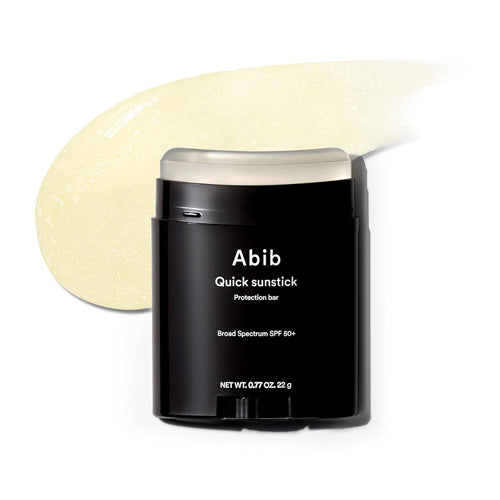
- Sunscreen: the Abib Quick Sunstick Protection Bar SPF50+ is lightweight and easy to reapply. Follow the Drug Facts directions.
Evening
- First cleanse: if you wore sunscreen or makeup, start with a cleansing oil or balm.
- Second cleanse: the Medicube Azelaic Acid Niacinamide Deep Clean Foam Cleanser cleans thoroughly without leaving skin squeaky.
- Spot care: if you have an active blemish, apply a S.O.S hydrocolloid pimple patch to clean, dry skin to help cover the area and make picking less tempting. The S.O.S Regular - Stick on Spots is an easy option to keep on hand.
- Tone: your calming toner, or a toner with azelaic acid like the Medicube Azelaic Acid Niacinamide Clear Toner.
- Serum: the Anua Azelaic Acid 10 Hyaluron Redness Soothing Serum adds hydration along with azelaic acid. If you prefer a lighter option, the iUNIK Tea Tree Relief Serum is another good fit.
- Moisturize: don't skip it. Hydration keeps skin comfortable, especially when using active ingredients.
Start with one active serum and give it a few weeks before adding another. You can find more options in our blemish-prone skin collection.
What About Marks Left After a Blemish?
Many people find that the flat marks left behind after a blemish bother them more than the blemish itself. Ingredients like niacinamide, azelaic acid and vitamin C can help the look of post-blemish marks fade over time, and daily sunscreen is essential, because sun exposure can make these marks look darker and last longer.
Common Mistakes to Avoid
- Over-exfoliating. Using several acids every day can leave skin red, tight and uncomfortable.
- Skipping moisturizer. Oily skin still needs hydration. Choose a gel or light cream.
- Picking and squeezing. This can make marks look worse and last longer.
- Changing everything at once. If skin reacts, you won't know which product caused it.
- Forgetting pillowcases and phones. Change pillowcases often and wipe down your phone screen.
- Skipping sunscreen because you're worried it will feel heavy. A lightweight formula makes daily use easier.
Don't Forget the Basics
Skincare works best alongside simple habits: wash your face after workouts, keep hair products away from your forehead, clean makeup brushes and cushion puffs regularly, and choose non-comedogenic makeup when possible. Small changes add up.
How Long Until You See a Difference?
Skin needs time. Give a new routine about 4–8 weeks of consistent use before deciding whether it works for you. Keep notes or take photos in the same lighting so you can compare honestly.
When to See a Dermatologist
Skincare can help skin look and feel better, but it has limits. If your blemishes are painful, deep, widespread, or not improving with a consistent routine, or if they're affecting your confidence, book an appointment with a board-certified dermatologist.
Get Personalized Help at Koreos
Every blemish-prone skin is different. Visit our Boca Raton store at 225 E Palmetto Park Road for a free skin consultation, or shop online with free US shipping on orders of $35 or more, shipped from Florida (orders placed by 5pm ET on business days usually ship the same day).
Related Guides
For a single spot you want to cover and keep your hands off, compare the S.O.S formats in Best Korean Pimple Patches. For marks a blemish leaves behind, see How to Fade the Look of Dark Spots, and if niacinamide is on your list, our niacinamide serum shopper guide walks through the options.
Frequently Asked Questions
What Korean skincare ingredients are good for blemish-prone skin?
Popular choices include azelaic acid, niacinamide, tea tree, centella asiatica, heartleaf and BHA. They help skin look clearer, calmer and more balanced when used consistently.
Should oily, blemish-prone skin use a moisturizer?
Yes. Skipping moisturizer can leave skin feeling tight and dehydrated. A lightweight gel or cream keeps skin comfortable, especially when using active ingredients.
Can I use azelaic acid and niacinamide together?
Yes, they are commonly paired, and many Korean formulas already combine them. Introduce new products one at a time and patch test first.
How long does it take to see results from a new routine?
Give a new routine around 4 to 8 weeks of consistent use. For persistent skin concerns, see a dermatologist.
This article is for general information and isn't medical advice. For persistent skin concerns, see a dermatologist.