A niacinamide serum is a leave-on vitamin B3 product that helps improve the look of dullness, uneven tone, visible pores, excess shine, and a stressed skin barrier. Most shoppers can use it once daily after cleansing and before moisturizer, then increase to morning and evening if skin stays comfortable.
Niacinamide is popular in Korean skincare because it is flexible: it can sit in a brightening routine, a barrier-supportive routine, an oily-skin routine, or a sensitive-skin routine without making the whole regimen complicated. The key is choosing the right concentration, pairing it with supportive ingredients, and not over-layering too many strong actives at once.
What a niacinamide serum does for skin
Niacinamide is a topical form of vitamin B3 used in skincare for several visible concerns. A dermatologist-reviewed Cleveland Clinic article describes it as a multitasking ingredient for dullness, uneven tone, fine lines, oiliness, and barrier support: https://health.clevelandclinic.org/niacinamide.
Recent peer-reviewed reviews, including one published in 2024 and another in 2025, also describe niacinamide as useful in cosmetic routines focused on brightness, the look of skin aging, barrier support, and blemish-prone or redness-prone skin. For shoppers, that means it is less of a single-purpose “spot” ingredient and more of a daily support active.
For uneven tone, niacinamide is often grouped with brightening ingredients, but it works differently from many classic discoloration-focused actives. A 2024 practical guide on hyperpigmentation notes that niacinamide does not work by directly blocking tyrosinase, the enzyme often discussed with dark spots. Instead, it supports a more even-looking complexion through other cosmetic pathways.
In that same guide, 4% niacinamide used nightly improved the look of hyperpigmentation after nine weeks in one study, while 5% niacinamide used twice daily reduced the visible size of an age-related dark spot after eight weeks in another. Those timelines are helpful: think in months, not days.
How often to use a niacinamide serum
For most routines, start with niacinamide serum once a day. Morning is convenient because niacinamide layers well under moisturizer and sunscreen; evening is also fine if that is when the rest of your routine is calmer.
A simple starting routine looks like this:
- Cleanse with a gentle cleanser.
- Apply toner or essence if you use one.
- Apply niacinamide serum to dry or slightly damp skin.
- Seal with moisturizer.
- In the morning, finish with broad-spectrum SPF.
If your serum is 2% to 5% niacinamide, daily use is a reasonable beginner pace for many skin types. If your product is 10%, 15%, or otherwise positioned as a stronger formula, begin once daily or every other day, especially if your skin is sensitive, dry, or already using retinoids, exfoliating acids, or vitamin C.
After two to three weeks with no stinging, flushing, tightness, or new dryness, you can consider using it morning and evening. More is not always better. If your skin looks smoother and feels comfortable at once daily, staying there is perfectly sensible.
Concentration matters, but it is not the only thing that matters. Ingredient education from cosmetic brands notes that niacinamide can be useful even at low levels around 0.5%, while many consumer serums sit around 5% to 10%. Higher-strength formulas, including 15% or 20%, are usually best for experienced users targeting stubborn visible concerns such as excess shine, uneven-looking tone, or visible pores.
Ingredient pairings for barrier, brightness, oil control, and sensitive skin
Niacinamide is easy to build around, which is why it appears in serums, toners, creams, masks, eye products, and sunscreens. The best pairing depends on what you want your routine to do.
For barrier support: ceramides, panthenol, and hyaluronic acid
If your skin feels tight, easily irritated, or dehydrated, pair niacinamide with barrier-friendly moisturizers and humectants. Ceramides help support the skin’s moisture barrier, panthenol helps skin feel comfortable, and hyaluronic acid helps draw in water for a plumper look.
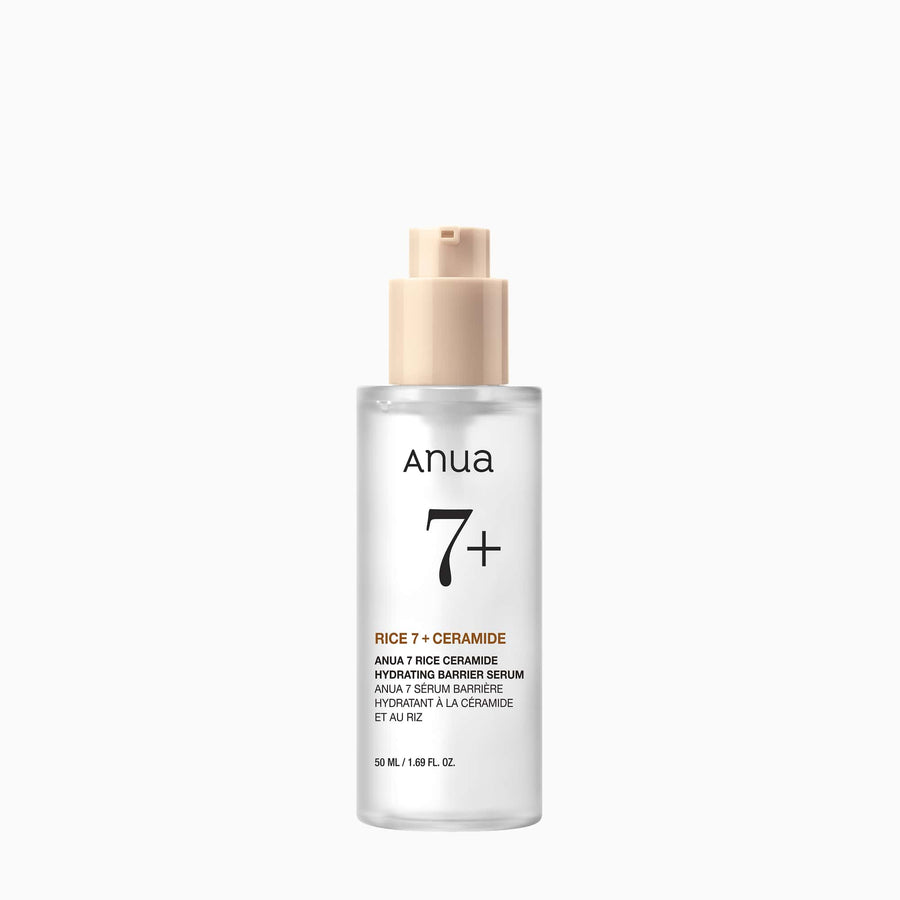
Anua Rice 7 Ceramide Hydrating Barrier Serum is a strong fit for shoppers who want niacinamide in a hydrating, barrier-focused serum format with ceramide and hyaluronic acid support.
Jumiso D-Panthenol Barrier Soothing Serum makes sense when skin needs a gentler-feeling serum step with niacinamide, panthenol, centella, and hyaluronic acid.
For brightness: tranexamic acid, vitamin C-style routines, and sunscreen
For dullness and uneven-looking tone, niacinamide pairs well with many brightening ingredients, including tranexamic acid and vitamin C-focused formulas. The important caution: follow your specific product directions. Some brands still recommend separating niacinamide from certain low-pH or direct vitamin C formulas rather than layering them in the same routine.
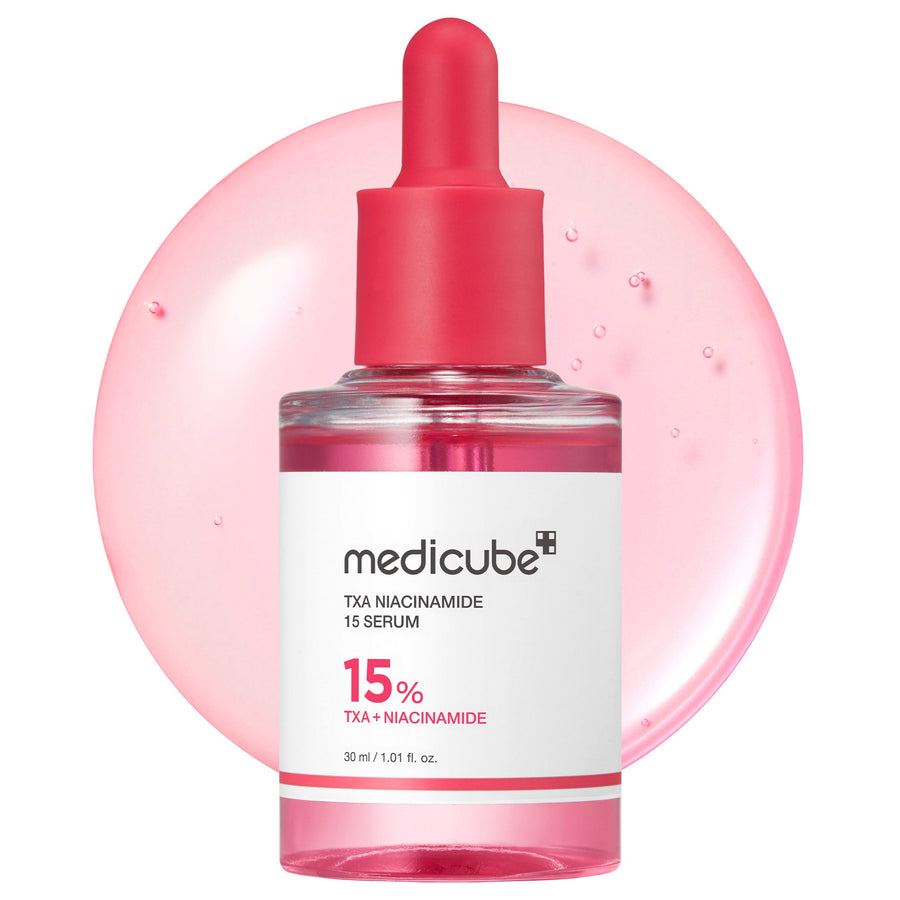
Medicube TXA Niacinamide 15 Serum is a targeted option for shoppers who want niacinamide with tranexamic acid in a brightening-focused serum.
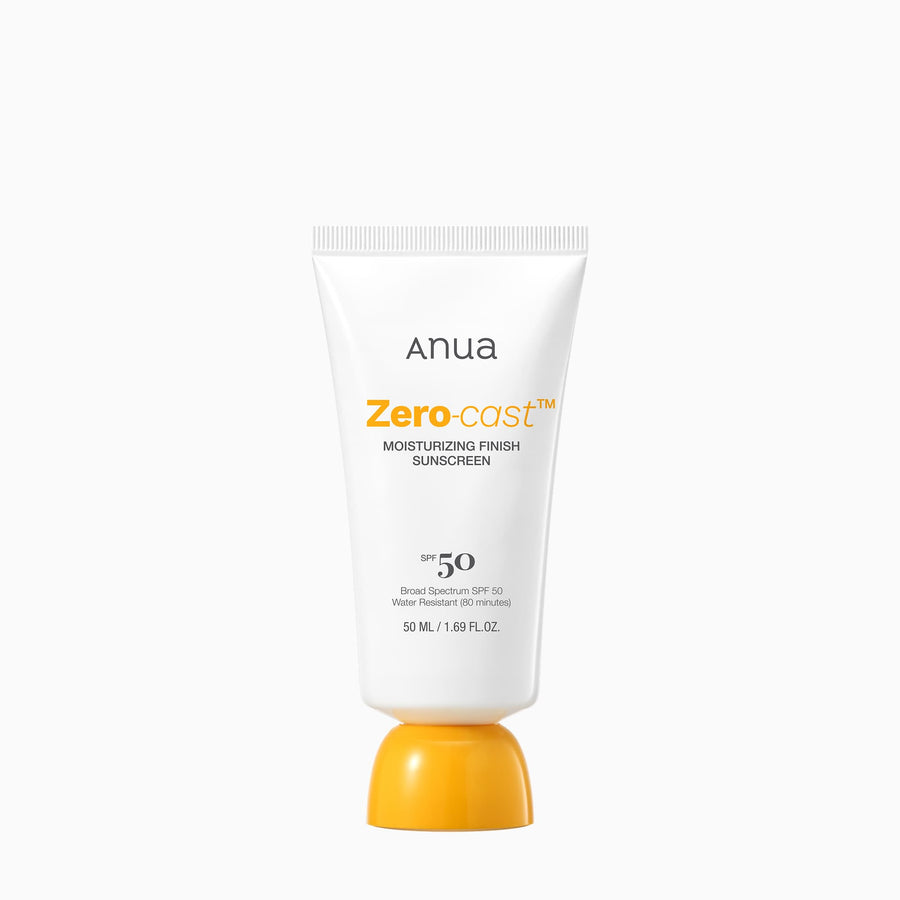
Sunscreen is non-negotiable if uneven tone is your concern. Without daily SPF, dark spots and post-blemish marks can look more persistent. Anua Zero-Cast Moisturizing Finish Sunscreen fits well after niacinamide because it brings a moisturizing finish with niacinamide and hyaluronic acid in the formula.
For oil control: zinc, lightweight hydration, and non-heavy textures
Niacinamide is especially appealing for shiny or combination skin because it can help reduce the look of excess oil without requiring a harsh, stripped routine. The American Academy of Dermatology lists niacinamide among facial-mask ingredients that can help with shiny skin and blemishes: https://www.aad.org/public/everyday-care/skin-care-secrets/routine/facial-masks-and-skin-care.
Dr.Althea 15% Niacinamide Purity Serum is best suited to experienced niacinamide users looking for a higher-strength serum for the look of pores, brightness, and oil control.
If you are building an oily-skin routine, avoid the mistake of skipping hydration. Lightweight toners, gel creams, and water-based serums can help skin feel balanced, which often makes makeup and sunscreen sit better.
For sensitive skin: centella, heartleaf, aloe, and simple routines
Sensitive skin can still use niacinamide, but it usually does best with lower concentrations, fewer layers, and calming companion ingredients. Centella, heartleaf, aloe, panthenol, and hyaluronic acid are common K-beauty pairings for a soft, comfortable finish.
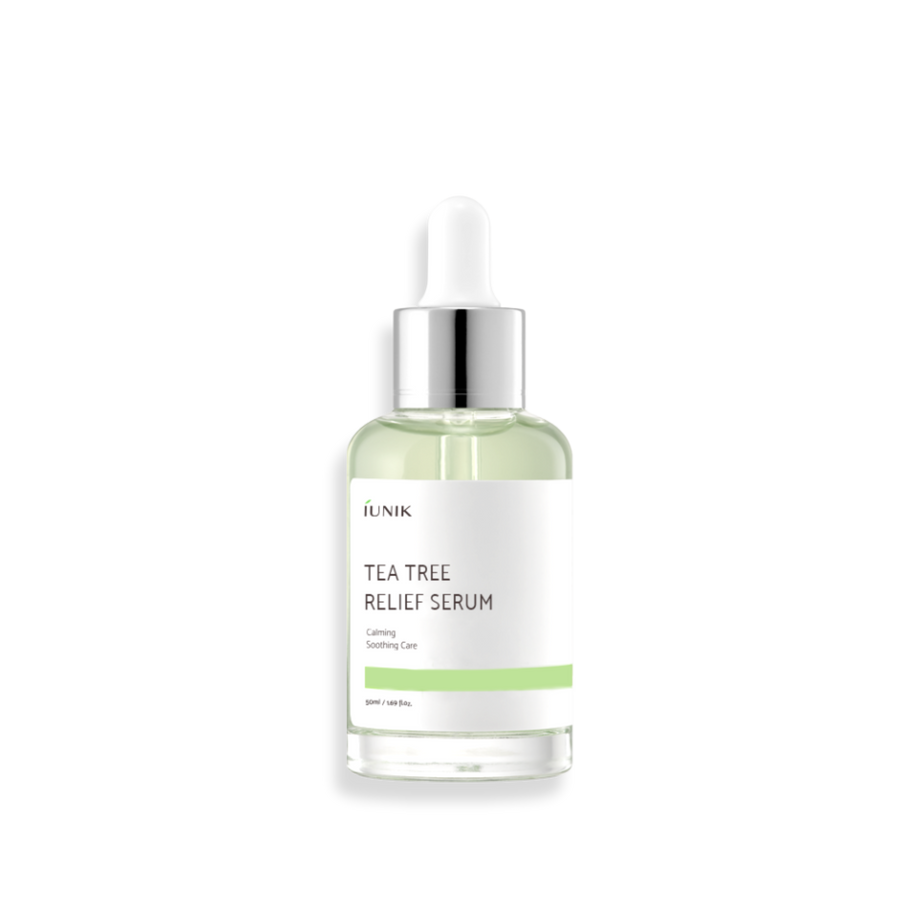
iUNIK Tea Tree Relief Serum is a balanced choice for oily yet sensitive-feeling skin because it combines niacinamide with centella and hyaluronic acid in a lightweight serum.
Patch test any new serum on a small area for a few days before applying it all over. If you have ongoing burning, rash, painful breakouts, rosacea, eczema, or another medical skin concern, check with a dermatologist before changing actives.
How to layer niacinamide in a Korean skincare routine
The easiest routine is cleanser, niacinamide serum, moisturizer, and SPF in the morning. At night, use cleanser, niacinamide serum, and moisturizer. If you use toner, essence, or mist, place them before serum unless the product instructions say otherwise.
Texture is a useful guide. Apply watery products first, then gel serums, then creams, then sunscreen in the daytime. Let each layer settle for a moment if you notice pilling.
Niacinamide usually fits well with:
- Hyaluronic acid for hydration and a plump look.
- Ceramides for barrier-supportive moisture.
- Panthenol for a comfortable, cushioned feel.
- Centella for sensitive-feeling skin routines.
- Azelaic acid for tone, texture, and blemish-prone routines.
- Retinoids in evening routines, if your skin tolerates both.
- Tranexamic acid for uneven-looking tone.
Be more cautious when combining multiple strong products: retinoid plus exfoliating acid plus high-percentage niacinamide, for example, may be too much for one night. If you are unsure, alternate nights and keep moisturizer consistent.
How to shop for the right formula
Start with your skin goal, not the highest number on the bottle. A lower-strength, well-balanced formula used consistently often gives a better experience than a strong serum that makes you stop after three uses.
Use this quick guide:
- Beginner or sensitive skin: look for 2% to 5% niacinamide, or choose products where niacinamide is paired with panthenol, centella, hyaluronic acid, or ceramides.
- Oily or visible-pore concerns: consider 5% to 10% first; experienced users may prefer 15% if skin tolerates actives well.
- Uneven-looking tone: choose niacinamide with brightening companions such as tranexamic acid or vitamin-rich botanical extracts, plus daily sunscreen.
- Dry or tight skin: prioritize barrier-supportive serums and creams over oil-control formulas.
At koréos, you can browse Korean serums and ampoules, the niacinamide skincare collection, and barrier care skincare to compare textures and pairings. Orders placed by 5pm ET on business days usually ship the same day, and US shipping is free on orders $35+.
FAQ
Can I use niacinamide serum every day?
Yes, many people can use niacinamide daily. Start once a day, especially with 10% or higher formulas, then increase only if your skin stays calm and comfortable.
Is niacinamide better in the morning or at night?
Either works. Morning is great because niacinamide layers well under moisturizer and sunscreen; night is helpful if you prefer to keep active steps out of your daytime routine.
Can niacinamide be used with retinol?
Yes, niacinamide is commonly paired with retinoids in cosmetic routines. If you are new to retinoids or using a high-strength niacinamide serum, start slowly and moisturize well.
Can I use niacinamide with vitamin C?
Often, yes, but follow the product directions. Some brands recommend separating niacinamide from certain direct or low-pH vitamin C formulas, so use one in the morning and the other at night if needed.
How long does niacinamide take to show results?
Hydration and a smoother feel may show up sooner, but visible tone and brightness changes usually take consistent use for several weeks. Studies on discoloration-looking concerns often track results around eight to nine weeks.