A hyaluronic acid serum works best for most shoppers when it is applied after cleansing, while skin is still slightly damp, then followed with moisturizer. In humid places like Florida, keep the layers light—but do not skip the sealing step, because moisturizer helps reduce water loss and keeps hydration feeling balanced.
Think of hyaluronic acid as a water-binding helper, not an oil and not an exfoliating acid. It can leave skin looking plumper and dewier, especially when layered well, but more is not always better: too many watery layers can feel sticky, pill under sunscreen, or make skin feel overloaded.
What Hyaluronic Acid Serum Actually Does
Hyaluronic acid is a humectant, which means it helps attract and hold water in the skin’s surface layers. According to Harvard Health, it is used for hydration rather than exfoliation, and it is commonly layered under a thicker moisturizer.
A 2025 peer-reviewed review of skin barrier physiology describes hyaluronic acids as humectants that can draw water from the dermis and from humid air into the epidermis. That helps explain why the same serum may feel extra bouncy in a humid Boca Raton summer and less comfortable in a dry, air-conditioned room unless you seal it properly.
Research on topical hyaluronic acid suggests HA-containing products may improve skin hydration and the look of fine lines, but results depend on the total formula, texture, and how consistently the product is used. In real-life shopping terms: the ingredient matters, but the whole routine matters too.
If you want to browse formulas built around this ingredient, koréos carries a dedicated hyaluronic acid skincare collection, plus lightweight options in Korean serums and ampoules.
How to Use Hyaluronic Acid Serum on Damp Skin
The classic damp-skin method is simple: cleanse, leave the face slightly moist, apply a small amount of serum, then follow with moisturizer. The goal is not to apply serum onto dripping-wet skin; it is to give humectants a comfortable water base to work with before you seal everything in.
Dermatologists often recommend applying hydrating products while skin is damp because water can evaporate quickly after washing. The American Academy of Dermatology notes that moisturizer helps trap water when applied to damp skin, which is the same practical logic behind layering hyaluronic acid serum before cream.
Use this easy order:
- Cleanse. Rinse well and gently pat, leaving skin slightly damp.
- Optional toner or mist. A hydrating toner can add slip and comfort before serum.
- Apply hyaluronic acid serum. Use a thin, even layer on face and neck.
- Add other compatible serums, if needed. Keep it to one or two total treatment steps to reduce tackiness.
- Moisturize. Choose a lotion, gel-cream, or cream based on your climate and skin feel.
- Morning only: sunscreen. Finish with broad-spectrum sunscreen as your last skincare step before makeup.
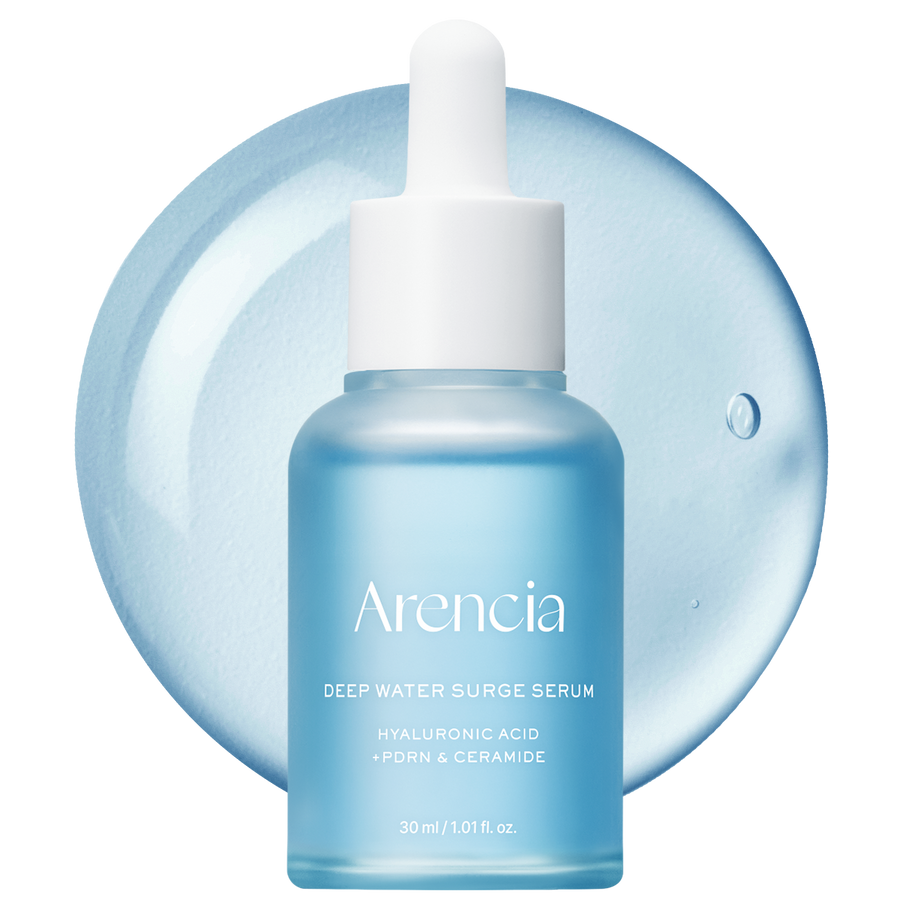
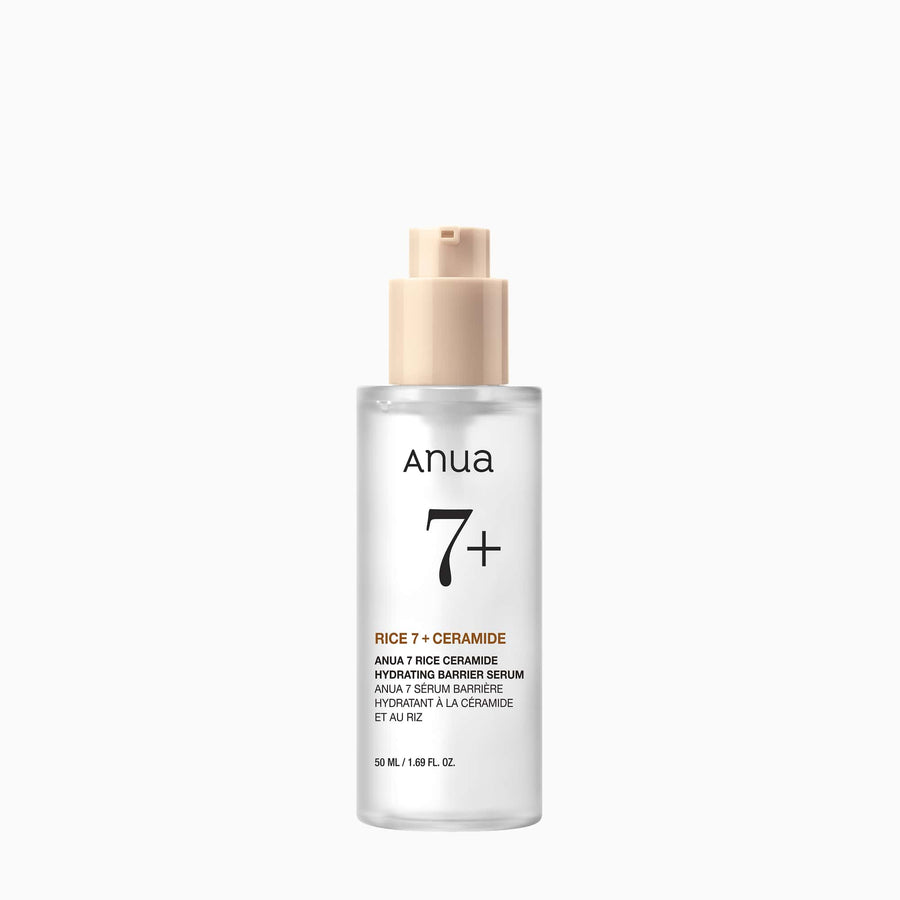
For a hydrating serum step, Arencia Deep Water Surge Serum fits well in the damp-skin stage because it is positioned as a hydrating serum with hyaluronic acid. If you prefer hydration plus barrier-minded ingredients, Anua Rice 7 Ceramide Hydrating Barrier Serum is a good example of a serum that pairs humectant support with a more cushioned routine feel.
Layering Rule: Thin to Thick, Then Seal
The most reliable skincare order is thinnest to thickest. A watery toner or mist comes before a gel serum; a serum comes before lotion, cream, oil, sunscreen, or makeup. This helps thinner textures spread evenly instead of trying to penetrate through richer products.
That final seal is especially important with humectants such as hyaluronic acid and glycerin because they hold water best when the routine also includes ingredients that slow evaporation.
Here is how to adjust depending on what else is in your routine:
- With vitamin C or niacinamide: apply the thinnest serum first, or use the product directions if one formula specifies an order.
- With retinoids at night: keep your HA layer simple and soothing; avoid stacking too many strong actives at once if skin feels sensitive.
- With face oils: use oil after moisturizer or mix a tiny amount into cream, not before a watery HA serum.
- Under makeup: use less serum than you think, let each layer settle, and choose a lightweight moisturizer to reduce pilling.
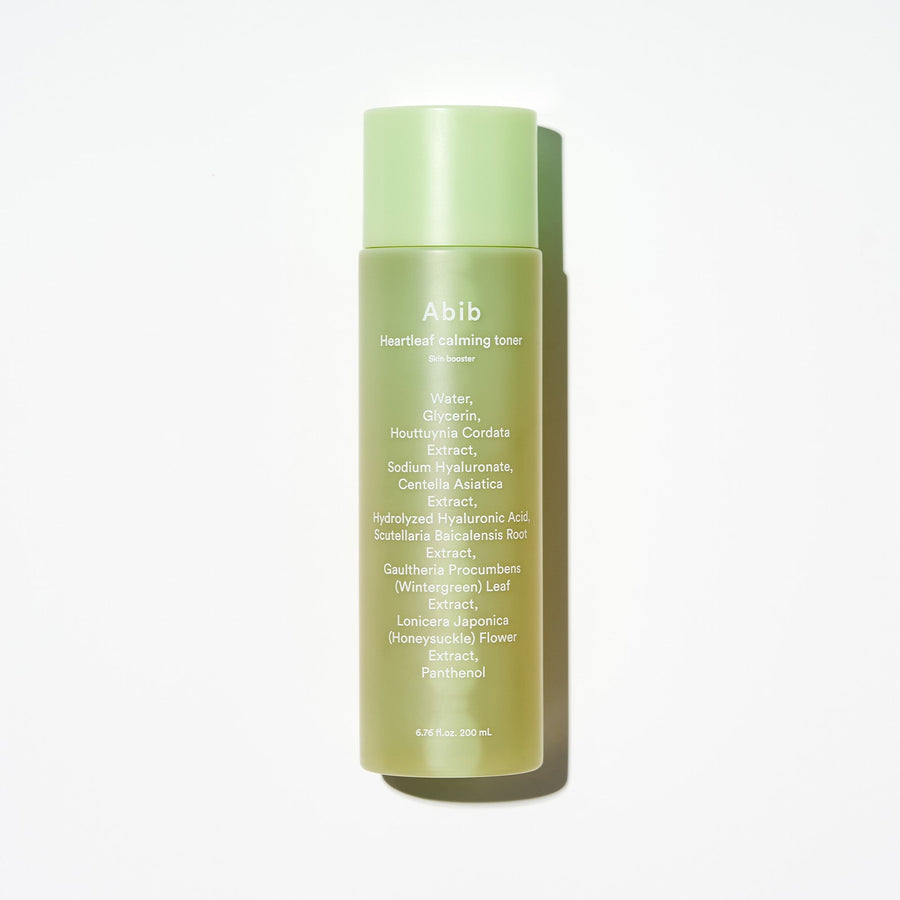
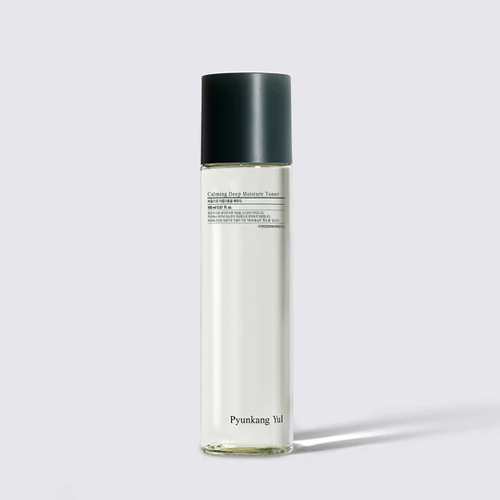
A toner can make the damp-skin step easier. Abib Heartleaf Calming Toner Skin Booster is a lightweight toner option that belongs before serum and can help create a comfortable hydrated base. For sensitive-feeling routines, Pyunkang Yul Calming Deep Moisture Toner is another pre-serum layer to consider when you want a softer, cushiony start.
Florida Humidity: Hydrate Without Feeling Sticky
Florida is commonly hot and humid because it sits in subtropical latitudes between the Gulf of Mexico and the western Atlantic. For many local shoppers, that means hyaluronic acid can feel naturally dewy in summer—but it can also feel tacky if you layer too much.
The main Florida adjustment is not to abandon moisturizer. Instead, swap the texture. A heavy cream may feel too rich during a humid Boca Raton day, while a gel-cream or light lotion can still provide the sealing step without the sticky finish.
Try these warm-weather tweaks:
- Use one layer of HA serum, not three.
- Apply to lightly damp skin, not soaking wet skin.
- Choose a gel-cream or lotion over heavy cream during the day.
- Let serum absorb for 30 to 60 seconds before moisturizer.
- Use sunscreen last, and give skincare time to settle before makeup.
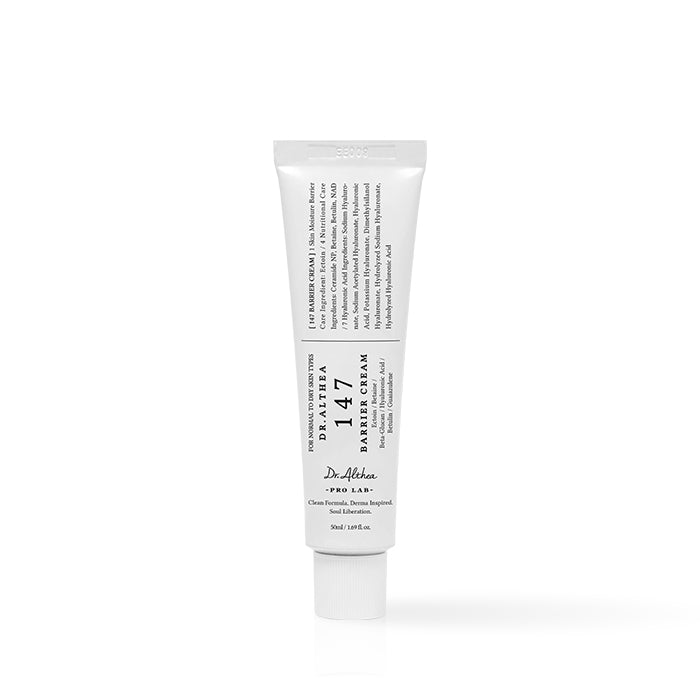
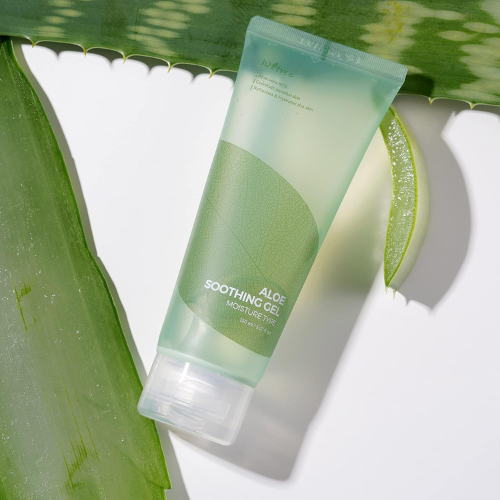
Isntree Aloe Soothing Gel Moisture Type is a humidity-friendly moisturizer option because its gel texture can feel lighter over a hydrating serum. If your skin prefers more cushion at night or in air conditioning, Dr.Althea 147 Barrier Cream is a richer moisturizer that can help seal a hydrating routine without adding another serum step.
When Damp Skin Is Helpful—and When to Follow the Bottle
The damp-skin rule is still useful, but it is not absolute. Some newer brand guidance adds nuance: certain hyaluronic acid formulas may be designed to hydrate well without damp skin, and shoppers should follow the directions for their specific product.
That means there are two good approaches:
- Default method: apply HA serum after cleansing or toner while skin is slightly damp, then moisturize.
- Formula-specific method: if the product instructions say to use on dry skin or do not require damp skin, follow that guidance and still finish with moisturizer.
If your skin ever feels tight after HA serum, that may be a sign you need more moisture on the skin first, a better sealing layer after, or fewer humectant layers overall. If it feels sticky or pills, use a smaller amount or remove one watery step.
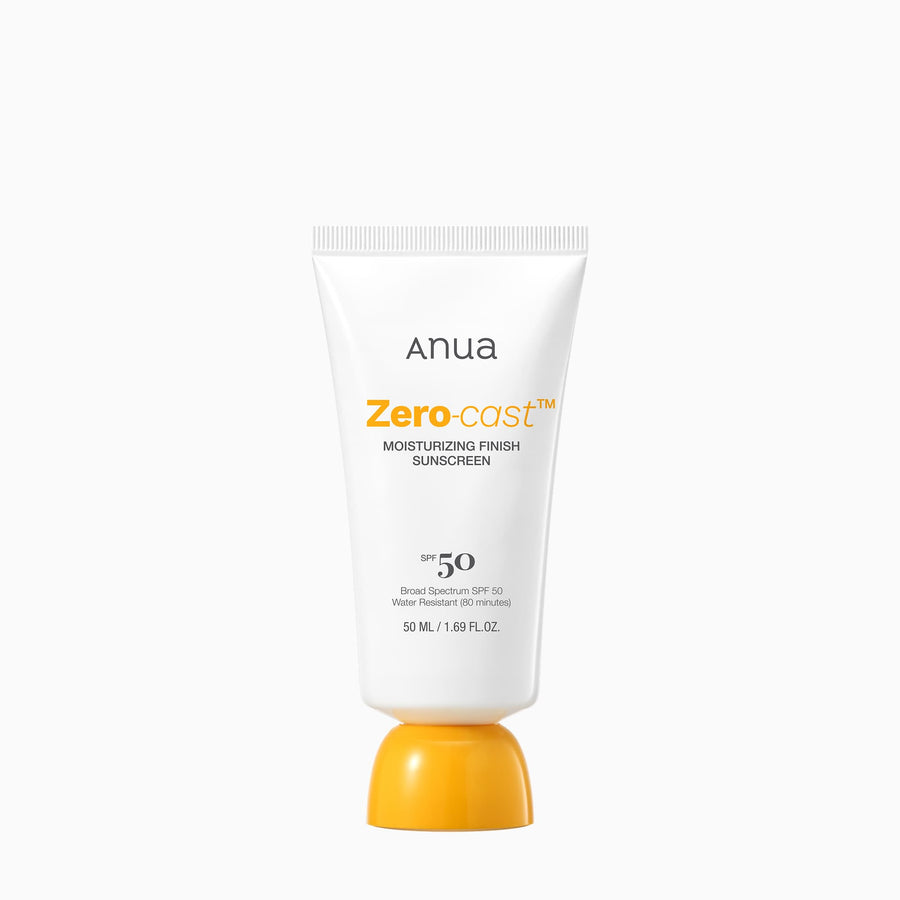
For morning routines, a sunscreen with a comfortable finish helps complete the layering sequence. Anua Zero-Cast Moisturizing Finish Sunscreen works well after moisturizer in a hydrating routine because it sits in the final daytime step and includes moisturizing skincare-style ingredients. You can also explore Korean sunscreen options if you prefer different finishes for Florida heat.
Common Mistakes That Make HA Feel Like Too Much
Hyaluronic acid serum is easy to use, but it is also easy to over-layer. The most common mistake is treating hydration like a competition: toner, mist, essence, HA serum, another humectant serum, sheet mask, cream, then sunscreen. That can work occasionally for a “skin flooding” moment, but it is not necessary every day.
Dermatology Times has described skin flooding as a social trend that usually includes a hydrating toner or mist, a humectant-rich serum such as hyaluronic acid, and moisturizer on damp skin. The practical takeaway is useful—water, humectant, seal—but the routine should be scaled to your skin and climate.
Avoid these habits:
- Skipping moisturizer. HA is not a moisturizer replacement for most routines.
- Using too much product. A few drops or a thin pump is usually enough.
- Applying over oil or balm. Watery serums belong before richer textures.
- Layering too many humectants in humidity. This can feel sticky and may disturb makeup.
- Ignoring irritation. If a formula stings, burns, or causes persistent discomfort, stop using it and consider a dermatologist’s advice.
As with any new skincare product, patch test first, especially if your skin is reactive. For ongoing redness, eczema-like flaking, acne, or other medical skin concerns, a board-certified dermatologist can help you choose a routine safely.
FAQ
Should hyaluronic acid serum go on wet or dry skin?
For most routines, apply it to slightly damp skin after cleansing or toner, then follow with moisturizer. If your specific product says dry skin is fine or preferred, follow the product directions.
Can I use hyaluronic acid serum every day?
Many people use it daily, morning and/or night, because it is a hydrating humectant rather than an exfoliating acid. Start once daily if your skin is sensitive, and adjust based on comfort.
Do I still need moisturizer in humid Florida?
Yes. In humidity, choose a lighter gel-cream or lotion instead of skipping moisturizer. The seal step helps keep hydration from evaporating and makes the routine feel more balanced.
Can hyaluronic acid serum go under sunscreen and makeup?
Yes. Apply serum, then moisturizer, then sunscreen in the morning. Let each layer settle and use a thin amount to reduce pilling under makeup.
Is more hyaluronic acid better for dehydrated-looking skin?
Not always. One well-layered serum plus moisturizer is often more comfortable than several humectant layers. If skin still feels tight, focus on your moisturizer texture and overall barrier support.