Korean wrinkle patches are targeted K-beauty patches designed for specific areas such as frown lines, smile lines, under-eyes, lips, neck and jawline. They may temporarily hydrate, smooth the look of creasing, or help keep a formula close to skin, but they are best used as add-ons to a consistent routine—not as replacements for serum, moisturizer or sunscreen.
The new “K-patch” wave is different from the classic full-face sheet mask moment. Instead of covering the whole face, these products focus on the zones where expression, dryness and texture tend to show first. Think hydrogel eye patches before makeup, tension-film patches for the “11” lines between the brows, lip patches before color, and jawline or neck patches for a short firming-feel ritual.
Why Korean Wrinkle Patches Are Trending Now
Targeted patches became more visible to U.S. shoppers after a Korean patch-focused brand announced a major North American expansion in October 2026. The assortment highlighted a clear shift: patches were no longer only for blemishes or under-eyes, but for individual wrinkle-prone zones including frown lines, forehead lines, smile lines, lips, neck and facial contouring.
That launch also showed how accessible the category is becoming. The listed patch assortment sat in an impulse-friendly range of about $16 to $25, and one frown-line product was offered as a 60-count pack at $22. The broader selection included hydrogel patches, high-tension film patches, lip patches, and lash or brow care items, which is why the trend overlaps skin care, eye care and beauty prep.
The appeal is easy to understand: a patch feels more focused than a mask, more satisfying than simply applying cream, and more routine-friendly than a complicated device. For many shoppers, it is a small step that makes an evening routine feel intentional.
Hydrogel vs. Tension-Film: What Is the Difference?
Not all K-patches work the same way. Most fall into two broad cosmetic formats: hydrogel patches and tension-film patches.
Hydrogel patches
Hydrogel patches are flexible, cooling-feeling patches saturated with a serum-like essence. They are most common around the eyes, smile lines and lips. Because they sit on the skin for a set amount of time, they help create a temporary “sealed-in” hydration effect. The result is often skin that looks fresher and smoother immediately after removal, especially when dryness is making fine lines more noticeable.
Hydrogel eye patches are usually worn for a shorter session. Recent eye patch directions in the K-patch category, for example, suggest applying after cleansing and toner for about 30 minutes. This makes them useful before makeup or as a quick evening reset.
Tension-film patches
Tension-film patches are usually thinner and more adhesive. Some newer frown-line patches are described as semi-transparent, high-density films made to sit closely on skin and stay in place through movement or sleep. Directions in this category often recommend cleansing, toning, applying to the chosen area, leaving on for several hours, then wetting the patch before removal to reduce tugging.
That longer wear time is why tension-film patches are often associated with frown lines, forehead lines or smile lines. They are not a substitute for daily care, but they can support a “do not crease this area while I sleep” approach for people who like a physical smoothing step.
Where to Use K-Patches: Frown Lines, Eyes, Lips, Neck and Jawline
The biggest change in the category is specificity. Instead of one mask for everything, K-patches are being merchandised by facial zone.
- Frown lines: Film-style patches can be placed between the brows where repeated expression lines appear.
- Forehead lines: Longer or wider patch shapes may help keep the area hydrated and smooth-looking while worn.
- Smile lines: Curved hydrogel or lifting-style patches target the folds from the nose toward the mouth.
- Under-eyes: Hydrogel eye patches help refresh the look of dry, tired-looking under-eyes before makeup or at night.
- Lips: Lip patches and lip masks are useful when the lip area looks dry or textured.
- Neck: Larger patches can add a dedicated hydration step to a zone many routines forget.
- Jawline: Contouring-style patches are more about a temporary firming feel and ritual than changing facial structure.
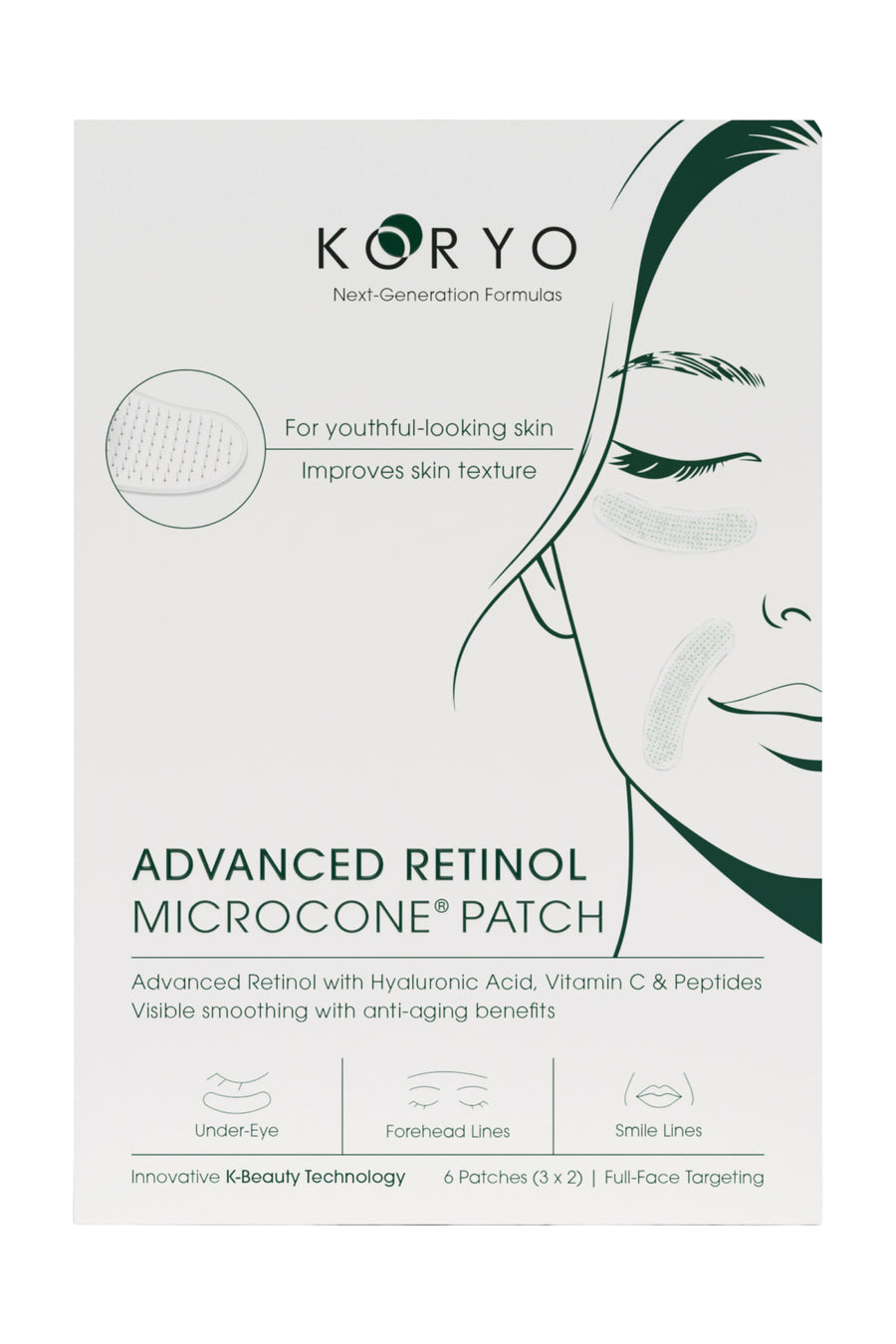
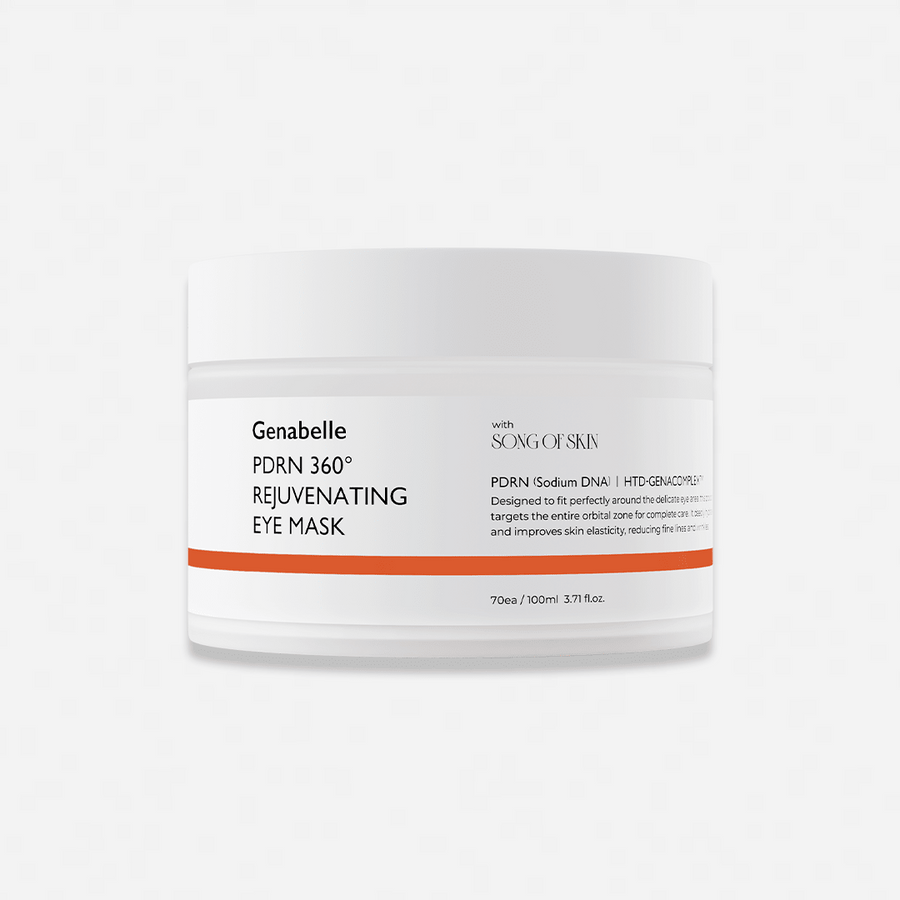
If you are building a patch routine from Koreos, the KORYO Advanced Retinol Microcone Patch is the closest fit for targeted evening care because it is designed as a focused patch step rather than an all-over product. For the eye area, Genabelle PDRN 360 Rejuvenating Eye Mask works well as a hydrogel-style eye patch option when the under-eye area needs a refreshed, hydrated look.
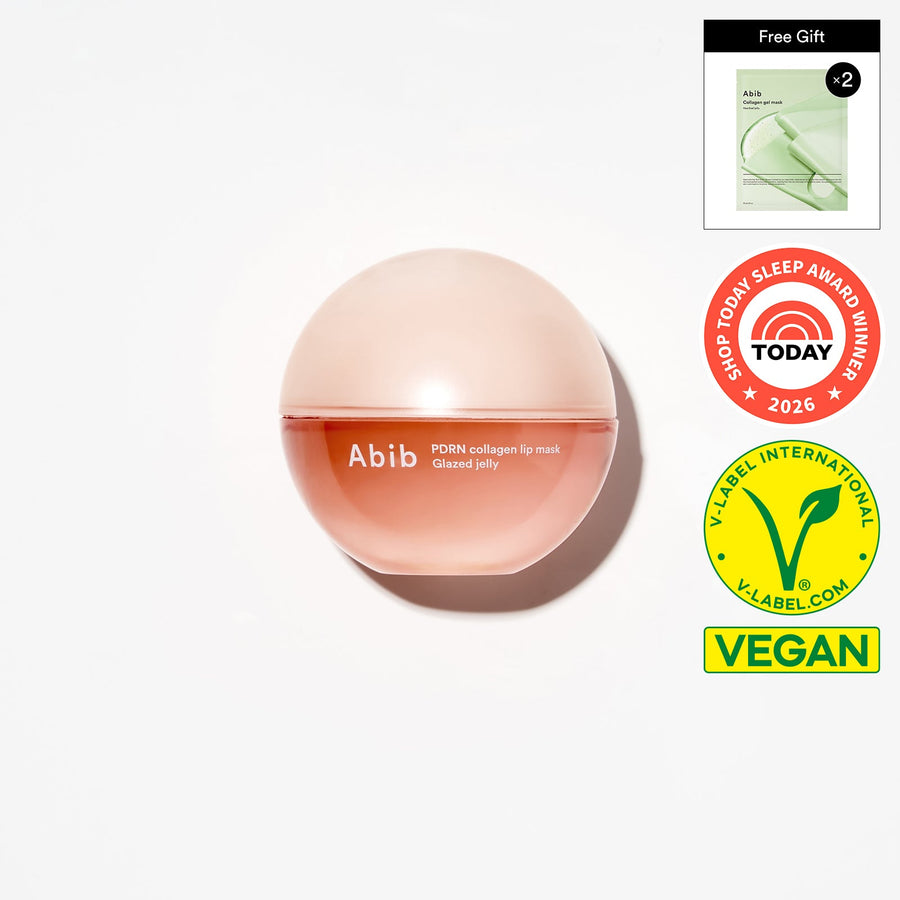
For shoppers who prefer a gentler eye-patch format with hydration and a brightened look, Heimish Bulgarian Rose Water Hydrogel Eye Patch fits into a quick morning or evening routine. For lips, Abib PDRN Collagen Lip Mask Glazed Jelly is a smart companion to the lip-patch trend because it supports a smoother, cushioned-looking lip area between targeted treatments.
How to Use Patches With Serum and Moisturizer
The most common mistake is treating patches as a shortcut for the whole routine. A patch can boost the feel of hydration or help a targeted area look smoother for a while, but your daily routine is what keeps the skin barrier comfortable and supported.
A simple patch-friendly order looks like this:
- Cleanse. Start with clean, dry skin so the patch can sit evenly.
- Tone lightly. Use a watery toner and let it absorb. Skin should not be slippery.
- Apply the patch. Place it on the target area and smooth down the edges.
- Wait the recommended time. Hydrogel eye patches may be around 20 to 30 minutes; some film patches may be worn for several hours if directions allow.
- Remove gently. If the patch is adhesive, dampen it before peeling away to reduce tugging.
- Finish with serum and moisturizer. After removal, apply your leave-on routine to support hydration and comfort.
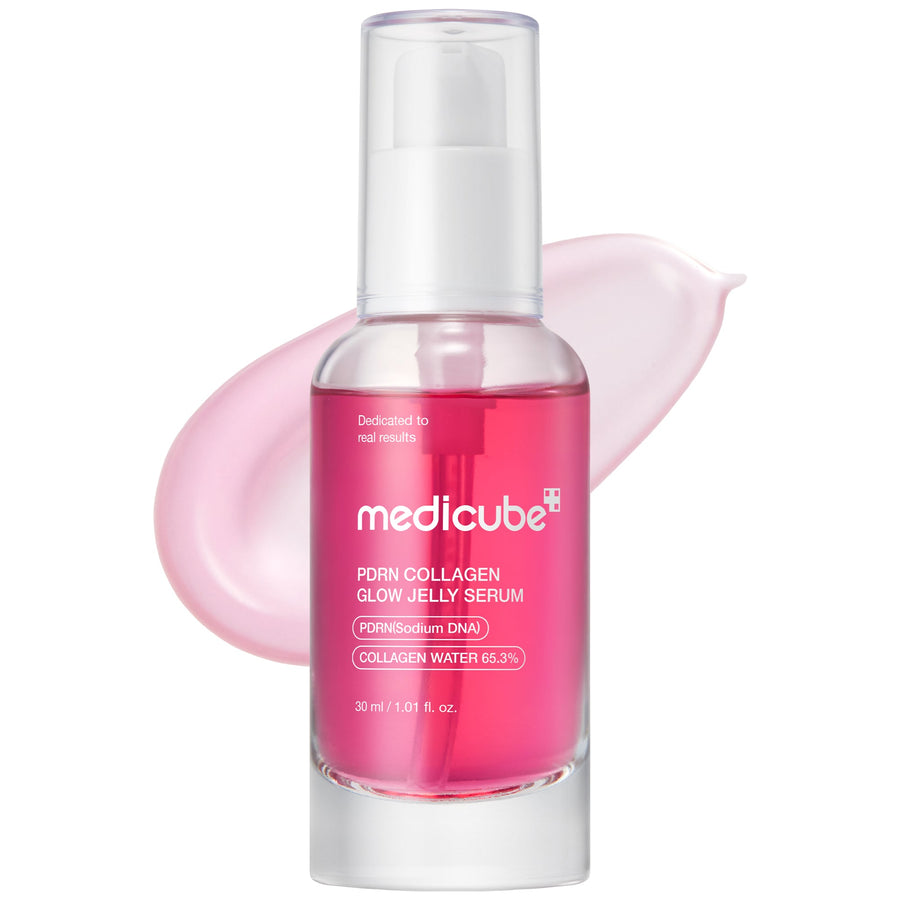
For a hydration-first base, Isntree Hyaluronic Acid Toner is useful before patches because it adds a light watery layer without feeling heavy. If you want a deeper daily serum step on non-patch or post-patch areas, Medicube PDRN Collagen Glow Jelly Serum pairs well with the firming and glow-focused mood of the K-patch category.
Moisturizer still matters. A patch session can make skin look bouncy right after removal, but a cream helps reduce water loss and keeps the routine comfortable. Browse Korean moisturizers and creams if your routine needs a barrier-supporting final step.
If you are using hyaluronic acid products with patches, damp-skin layering can make a big difference. See our guide to hyaluronic acid serum on damp skin for a simple way to avoid that tight, thirsty feeling.
What Ingredients Should You Look For?
Newer Korean wrinkle patches often lean on familiar K-beauty ingredients rather than harsh-feeling actives. One recent frown-line patch listing, for example, highlighted collagen, tocopherol, five forms of hyaluronic acid and six types of peptides. Another hydrogel eye patch emphasized very low molecular weight collagen as a featured ingredient.
Here is how to think about the most common ingredient families:
- Hyaluronic acid: Helps attract water for a plumper, more hydrated look.
- Peptides: Popular in firming-focused routines and often used for smoother-looking skin texture.
- Collagen: In topical cosmetics, it is mainly used for a moisturized, cushioned feel and surface-smoothing effect.
- Tocopherol: A form of vitamin E used in cosmetic formulas for skin-conditioning benefits.
- PDRN: A trending K-beauty ingredient often found in glow and firming-focused products.
- Retinol or retinal: Best used thoughtfully at night and introduced slowly, especially around delicate areas.
If your goal is the look of firmness over time, combine targeted patches with daily products from anti-aging and firming care. If your main concern is the eye area, Korean eye creams and eye patches can help you choose between a quick patch, a daily eye cream, or both.
What Patches Can and Cannot Do
Korean wrinkle patches can be genuinely useful, but realistic expectations are important. They may help temporarily smooth the look of dehydration lines, make makeup sit better, create a refreshed under-eye appearance, or remind you not to over-move a specific area while worn. They can also make a routine more enjoyable, which helps consistency.
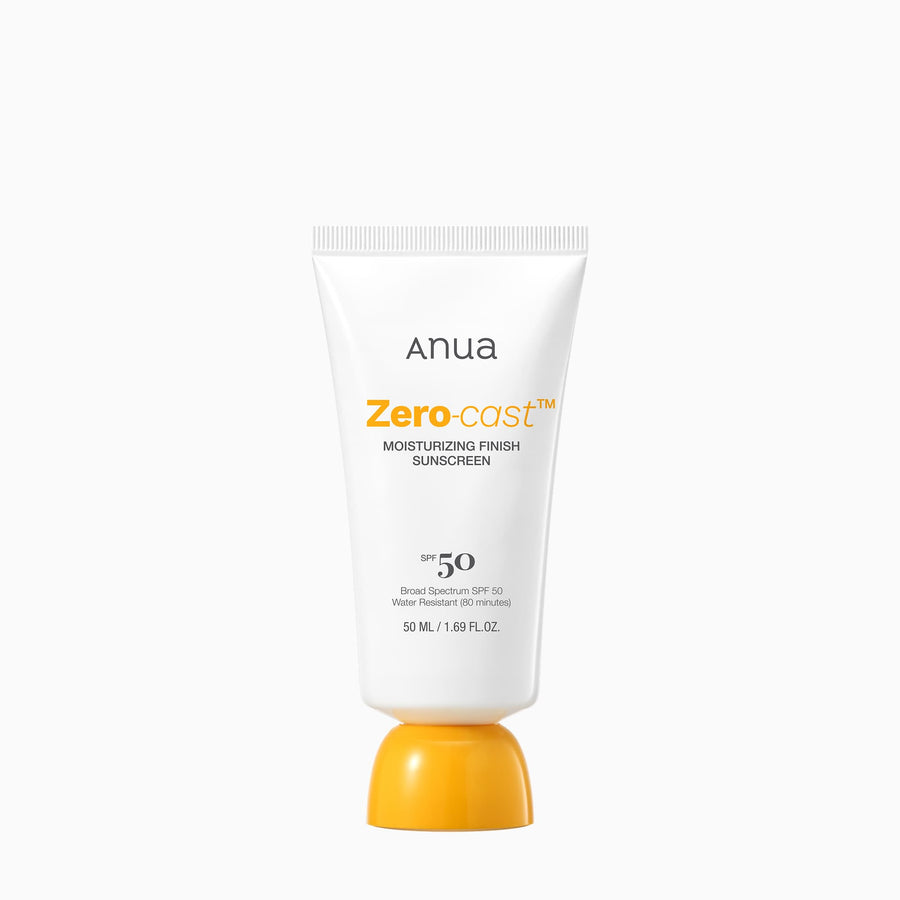
They cannot replace the pillars of visible aging care: daily broad-spectrum sunscreen, regular moisturizer, gentle cleansing, and evidence-backed actives used consistently. Sun exposure is one of the biggest contributors to visible skin aging, so sunscreen is still the non-negotiable morning step. For a Korean sunscreen that fits easily into a daily routine, Anua Zero-Cast Moisturizing Finish Sunscreen is a helpful option because it combines sun protection with a moisturized finish.
For more sunscreen help, especially in humid Florida weather, read our guide to no-white-cast Korean sunscreens. Orders placed by 5pm ET on business days at Koreos usually ship the same day, so it is easy to restock routine staples along with new patch finds.
Finally, patch test first if you are sensitive, using strong actives, or trying adhesive patches for the first time. Avoid applying patches over irritated or broken skin, and see a dermatologist for medical skin concerns or sudden changes.
Related Guides
Wrinkle patches and pimple patches are different products: if you're looking for spot care, see Best Korean Pimple Patches. For a serum-based approach to bouncy-looking skin, read What Is PDRN Skincare?.
FAQ
Do Korean wrinkle patches remove wrinkles?
No cosmetic patch can remove wrinkles. Korean wrinkle patches may temporarily hydrate and smooth the look of lines, especially when dryness is making creases more visible.
Can I use serum under a wrinkle patch?
Sometimes, but be careful. A watery toner is usually safer under adhesive patches because heavy serum can affect grip. Avoid layering strong actives under occlusive patches unless the product directions say it is appropriate.
How often should I use K-patches?
Hydrogel eye or lip patches can often be used a few times a week as needed. Adhesive or active patches should be used according to directions, and less often if skin feels dry, tight or sensitive.
Should I use patches in the morning or at night?
Use hydrogel eye and lip patches in the morning for quick makeup prep or at night for a relaxing step. Longer-wear tension-film patches usually fit best into an evening routine.
Are wrinkle patches better than moisturizer?
No. Patches are targeted extras, while moisturizer is daily skin support. For best results, use patches when helpful and keep moisturizer, sunscreen and a consistent routine in place.