A rice toner is a gentle K-beauty toner that helps skin feel hydrated, soft and fresh after cleansing, especially when dullness or dry-looking texture is the concern. The best results usually come less from DIY rice water and more from well-rounded formulas that pair rice extract or rice bran water with ingredients like niacinamide, glycerin, panthenol, hyaluronic acid and ceramides.
Think of it as a lightweight prep step: it can add comfortable moisture, support a dewy look and help the rest of your routine spread smoothly. It is not a replacement for moisturizer, sunscreen or targeted care for medical skin concerns, but it can be a beautiful everyday layer when chosen thoughtfully.
What Is Rice Toner, Really?
Rice toner sits in the toner step of a Korean skincare routine, after cleanser and before thicker serums, creams or sunscreen. Unlike older astringent toners that were often associated with a tight, stripped feeling, many modern rice toners are milky, cushiony or essence-like.
The word rice can mean several things on an ingredient list: rice extract, rice bran water, fermented rice ingredients or rice-derived antioxidants. These ingredients are often paired with humectants and barrier-supporting lipids, which is why a rice toner may feel more comforting than plain rice water.
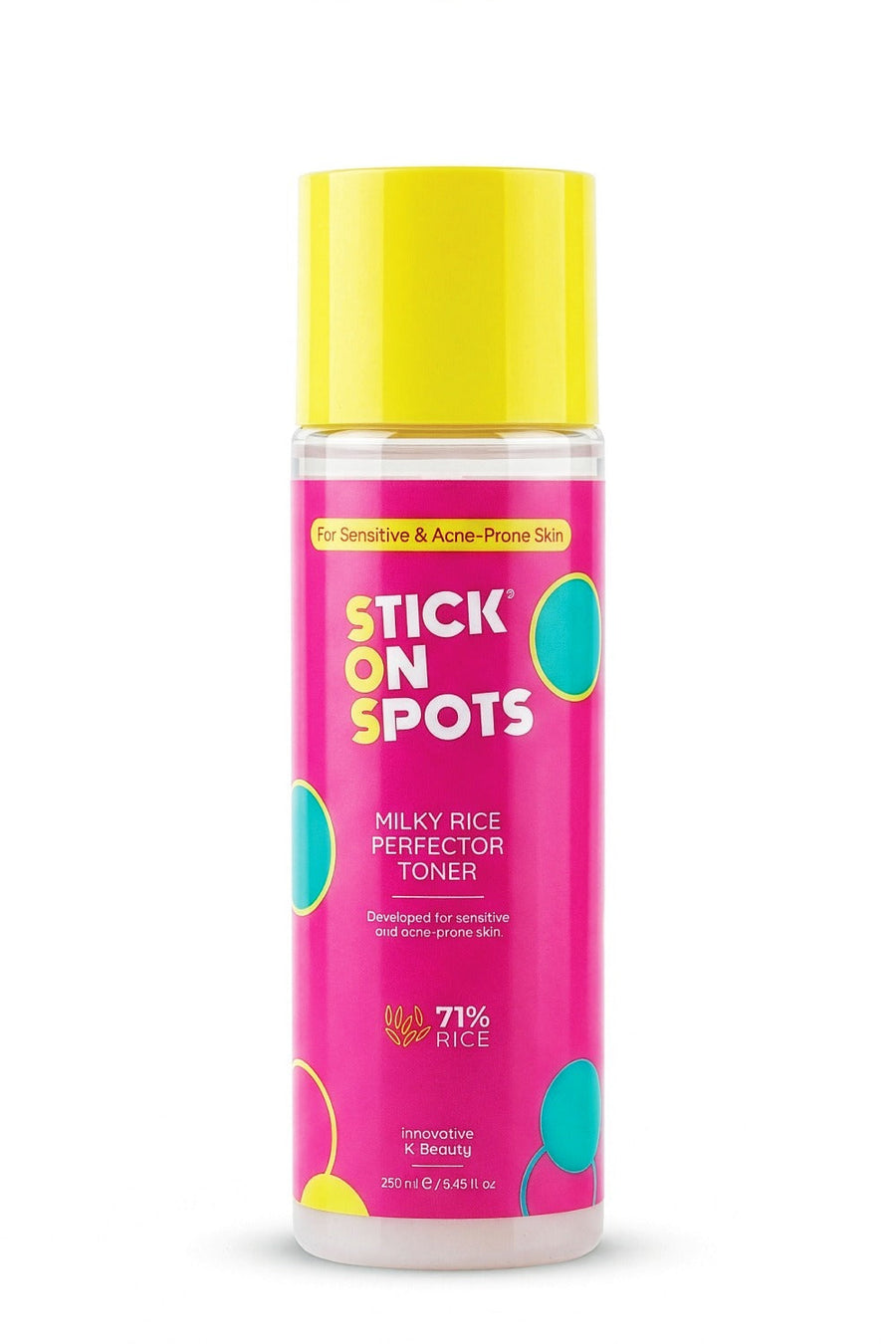
For example, I’m From Rice Toner is a classic option for shoppers who want a rice-focused toner with a soft, milky feel and niacinamide support. For a Koreos Originals option, S.O.S Milky Rice Perfector Toner fits the hydrating, brightening and sensitive-skin-friendly rice toner category in a generous 8.45 fl oz size.
If you are still deciding whether toner belongs in your routine at all, our guide to toner vs toner pads vs essence explains the differences in a simple way.
Rice Toner Benefits for Dull or Dry-Looking Skin
The most realistic benefits of a rice toner are cosmetic and comfort-focused: more hydration, a smoother-looking surface, a softer dewy finish and mild brightening support when the formula includes complementary ingredients.
- Hydration: Humectants such as glycerin, sodium hyaluronate and hydrolyzed hyaluronic acid help attract water to the skin’s surface for a plumper look.
- Barrier support: Ceramides, cholesterol, phytosphingosine and panthenol can help skin feel more comfortable and less tight after cleansing.
- Glow: A hydrated surface reflects light more evenly, which can make skin look fresher without shimmer or heavy makeup.
- Mild brightening support: Many rice toners include niacinamide, an ingredient associated with a more even-looking tone and improved look of dullness.
- Gentle prep: A toner layer can help serums and moisturizers glide on with less tugging.
Niacinamide is one reason rice toners have moved beyond the old idea of simple rice water. According to Cleveland Clinic, topical niacinamide can support the skin’s lipid barrier, calm the look of redness, help balance oiliness and improve the look of uneven tone. Cleveland Clinic also notes that many skincare products use 5% or less niacinamide, and sensitive-skin users may prefer starting lower.
Rice-derived ingredients also have a beauty-science reason for their popularity. Recent cosmetic research has discussed rice bran constituents such as ferulic acid, gamma-oryzanol, vitamin E, proteins and ceramides in relation to antioxidant, moisture-supporting and barrier-focused properties. That does not mean every rice toner will brighten skin dramatically; it means the full formula matters more than the word rice on the front label.
How to Use a Rice Toner in Your Routine
The American Academy of Dermatology recommends applying skincare in a general order of cleanser, treatment, moisturizer and, in the morning, sunscreen. A rice toner fits best right after cleansing, before serums and heavier creams.
- Cleanse: Start with a gentle cleanser. If you enjoy rice-based textures, Arencia Calendula Rice Mochi Cleanser can pair nicely with dry or sensitive-feeling routines because it is positioned for those skin types.
- Apply toner: Shake if the formula is milky or bi-phase. Pat a few drops into the face and neck with clean hands or sweep on with a soft cotton pad.
- Add serum if needed: Choose one focused serum rather than stacking many actives at once.
- Seal with moisturizer: A cream helps reduce the chance that watery layers evaporate quickly.
- Finish daytime routines with SPF: Sunscreen is still essential for the look of dark spots, uneven tone and photoaging.
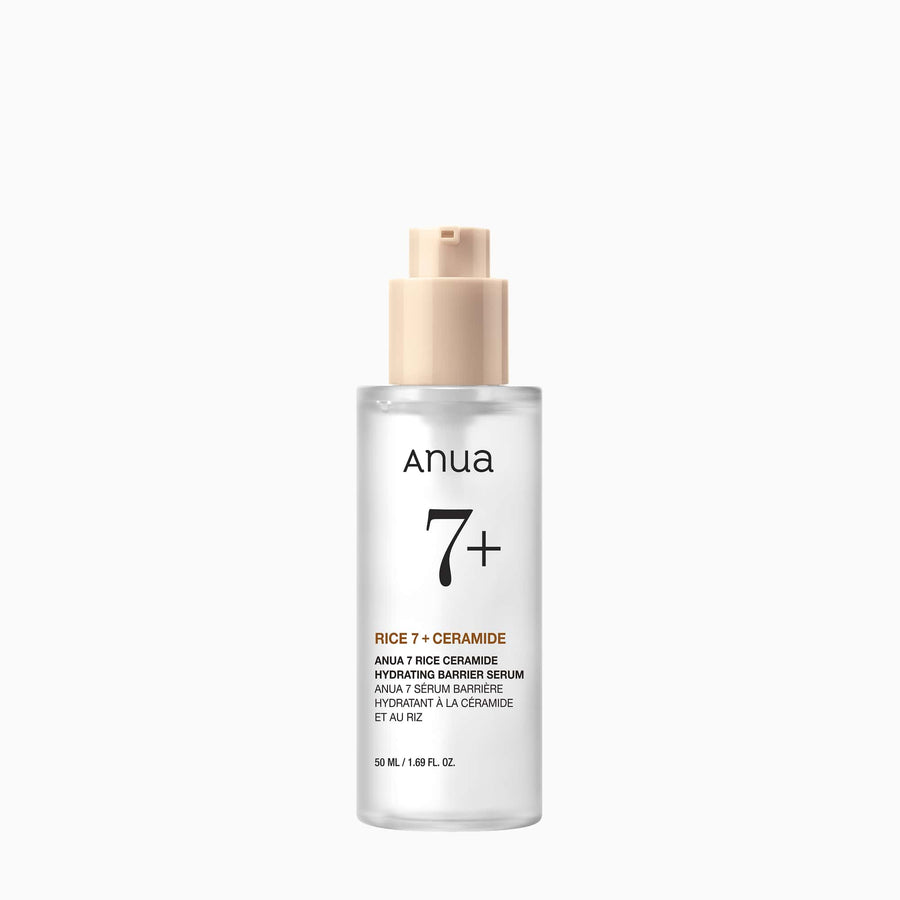
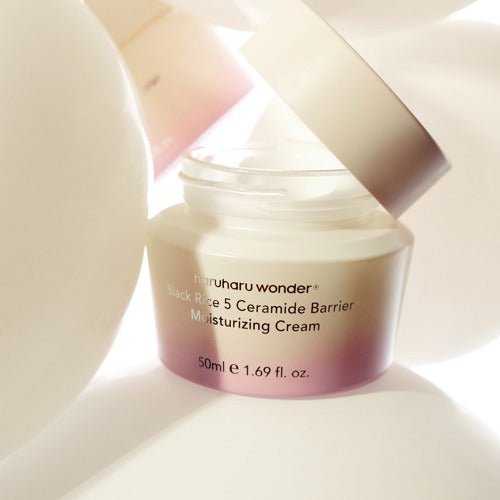
For a barrier-focused serum step after toner, Anua Rice 7 Ceramide Hydrating Barrier Serum is a rice-and-ceramide pairing that makes sense when skin feels dry, tight or easily dehydrated. To seal in hydration, Haruharu Wonder Black Rice 5 Ceramide Barrier Moisturizing Cream continues the rice-and-barrier theme with a cream texture.
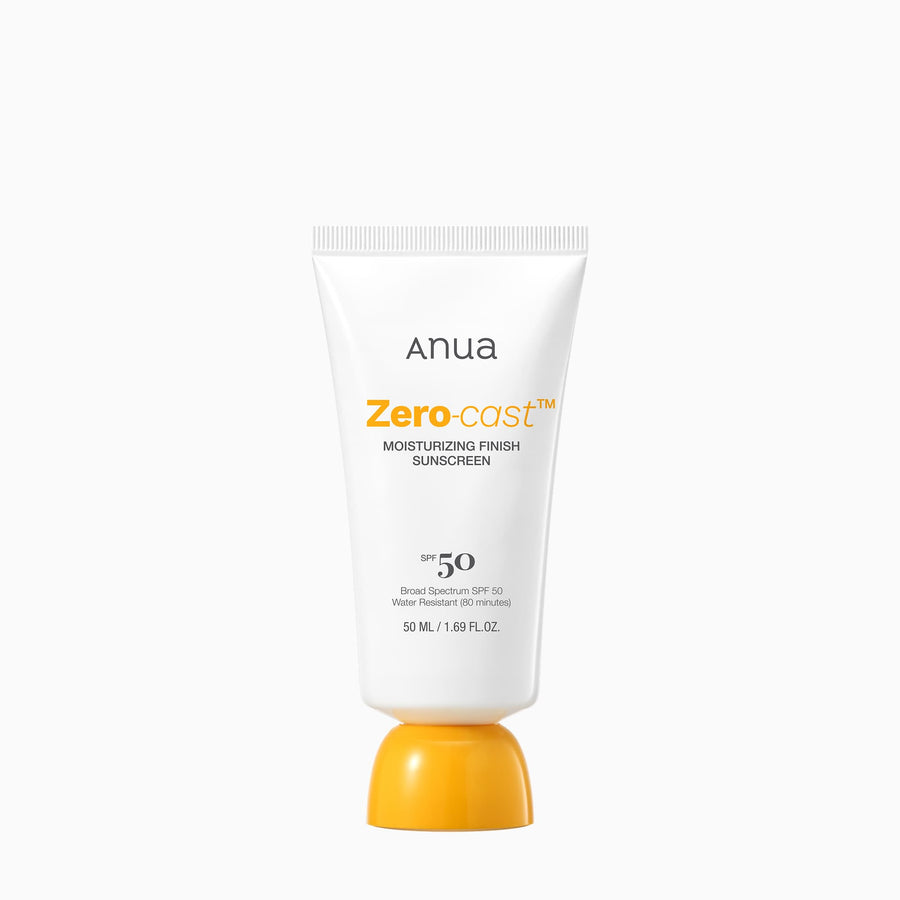
In the morning, finish with broad-spectrum sunscreen. The AAD recommends SPF 30 or higher for daytime sun protection, and a toner should never be used as a substitute for sunscreen. Anua Zero-Cast Moisturizing Finish Sunscreen is a good fit after a hydrating toner when you want a moisturized finish without relying on glow products alone.
How to Choose the Right Formula
When shopping Korean toners, look past the trend name and scan the supporting ingredients. A good rice toner for dry-looking skin should include either humectants, barrier ingredients or both.
For dry or tight-feeling skin
Choose milky or essence-like textures with glycerin, hyaluronic acid, panthenol, ceramides or cholesterol. These ingredients help the toner feel more cushiony and make it easier to layer under moisturizer. You can also browse hydrating Korean skincare if your main goal is moisture rather than exfoliation.
For dullness or uneven-looking tone
Look for niacinamide paired with rice extract, rice bran water or other glow-supporting ingredients. Niacinamide may help improve the look of uneven tone over time, but results depend on the full routine, sunscreen consistency and how your skin responds. If you already use a niacinamide serum or moisturizer, avoid stacking several high-niacinamide products at once, especially if your skin is reactive.
For sensitive-feeling skin
Keep the routine simple. The AAD cautions that using too many products can irritate skin, so introduce a rice toner slowly instead of adding several new steps in the same week. A practical approach is to patch test on a small area of the inner arm, then use the toner once daily for a few days before increasing frequency.
If you are comparing niacinamide levels across your routine, our niacinamide serum shopper guide can help you decide when a serum is useful and when a toner-level amount is enough.
What Rice Toner Cannot Do
A rice toner can help skin look more hydrated and radiant, but it cannot replace sunscreen, a moisturizer or professional care for persistent irritation, acne, melasma or other medical concerns. It also will not instantly erase the look of dark spots. For uneven tone, the most supportive routine is usually consistent sunscreen, gentle hydration and targeted brightening ingredients used patiently.
It is also wise to be realistic about DIY rice water. Homemade mixtures can vary in freshness, concentration and hygiene, while a properly formulated cosmetic toner is designed with stabilizers, preservation and skin feel in mind. For most shoppers, a finished product is the more predictable choice.
If your skin stings, becomes very red or feels uncomfortable after adding a new toner, pause and simplify your routine. See a dermatologist for ongoing concerns or if you are unsure which ingredients are appropriate for your skin.
Building a Simple Rice Toner Routine
A balanced routine does not need ten steps. A rice toner works best when it supports a simple structure: cleanse, hydrate, moisturize and protect. If you want a fuller Korean routine, start with the basics first and add only one product at a time.
- Morning: Cleanser or rinse, rice toner, lightweight serum if desired, moisturizer if needed, sunscreen from our Korean sunscreen collection.
- Evening: Cleanser, rice toner, serum or treatment, moisturizer.
- Once or twice weekly: Add a hydrating mask if your skin needs extra comfort, but skip extra actives if your skin feels stressed.
Koreos ships across the US with free US shipping on orders $35+, and orders placed by 5pm ET on business days usually ship the same day. If you are local to Boca Raton, the Koreos team can also help you compare textures in person.
FAQ
Is rice toner good for dry skin?
Yes, a rice toner can be a good choice for dry-looking or tight-feeling skin when it includes humectants like glycerin or hyaluronic acid plus comforting ingredients such as panthenol or ceramides. Follow with moisturizer to help seal in the watery layer.
Can rice toner brighten skin?
It may help skin look brighter by improving hydration and supporting a more even-looking tone, especially when the formula includes niacinamide. For the look of dark spots, daily sunscreen remains essential.
Should I use rice toner every day?
Many people can use a gentle hydrating toner daily, but start slowly if your skin is sensitive or if the toner contains niacinamide and you already use other niacinamide products. Patch test first and increase use only if your skin feels comfortable.
Do I apply rice toner before or after serum?
Apply rice toner after cleansing and before serum. Then follow with moisturizer, and in the morning finish with SPF 30 or higher.
Is rice toner the same as rice water?
No. A cosmetic rice toner is a formulated product with a complete ingredient system, often including rice extract or rice bran water plus humectants, niacinamide or barrier-supporting ingredients. DIY rice water is less predictable.