K-beauty is no longer only something shoppers discover through import sites; it is now showing up across mainstream U.S. beauty aisles in skincare, makeup, patches, scalp care, and hair care. The smartest approach is to buy easy-to-match basics and impulse-friendly categories locally, then use specialty K-beauty retailers for deeper shade ranges, newer Korean launches, sunscreen options, toner pads, ampoules, and niche barrier-support formulas.
That shift matters because convenience and selection are not the same thing. A national chain may help you grab a cleanser today, but a specialty K-beauty store can help you compare textures, ingredients, and routine fit with more nuance.
Why K-Beauty Is Moving Onto Mainstream U.S. Shelves
Recent 2026 retail coverage highlighted a broader access shift: Korean beauty categories that once felt hard to find in the U.S. are increasingly being placed in national beauty and mass retail environments. The expansion is not limited to one product type. It includes targeted facial patches, skincare, scalp care, hair care, and makeup.
That is important because K-beauty discovery used to involve long shipping timelines, unfamiliar overseas checkout pages, and a lot of guessing. Now, many U.S. shoppers can see textures in person, compare packaging sizes, and bring home a product the same day.
Still, mainstream visibility usually starts with a curated edit. Retail buyers tend to choose items that are simple to explain, easy to merchandise, and likely to appeal to a wide audience. Specialty K-beauty stores usually carry a broader range for shoppers who want to build a full routine, fine-tune ingredients, or try newer Korean trends before they become widely distributed.
What Mainstream Beauty Retailers Are Best For
Mainstream shelves are most useful when convenience matters more than deep comparison. If you are traveling, replacing a familiar product, buying a gift, or testing your first K-beauty item, a local beauty aisle can be a good entry point.
- Convenience: You can buy immediately instead of waiting for delivery.
- In-person texture checks: Testers, when available, can help you understand finish, scent, and slip.
- Simple returns: Large U.S. retailers often have familiar return systems.
- Authenticity confidence: Buying from a known retail channel can feel reassuring for beginners.
- Easy gifting: Masks, lip tints, patches, and hair products are approachable for shoppers who do not know someone’s full routine.
The categories that translate best to mainstream shelves are usually sensory and easy to understand: lip tints, cushions, sheet masks, scalp shampoos, eye patches, pimple patches, and moisturizers for everyday hydration. These do not require a complicated consultation and can be selected by skin feel, finish, or preferred format.
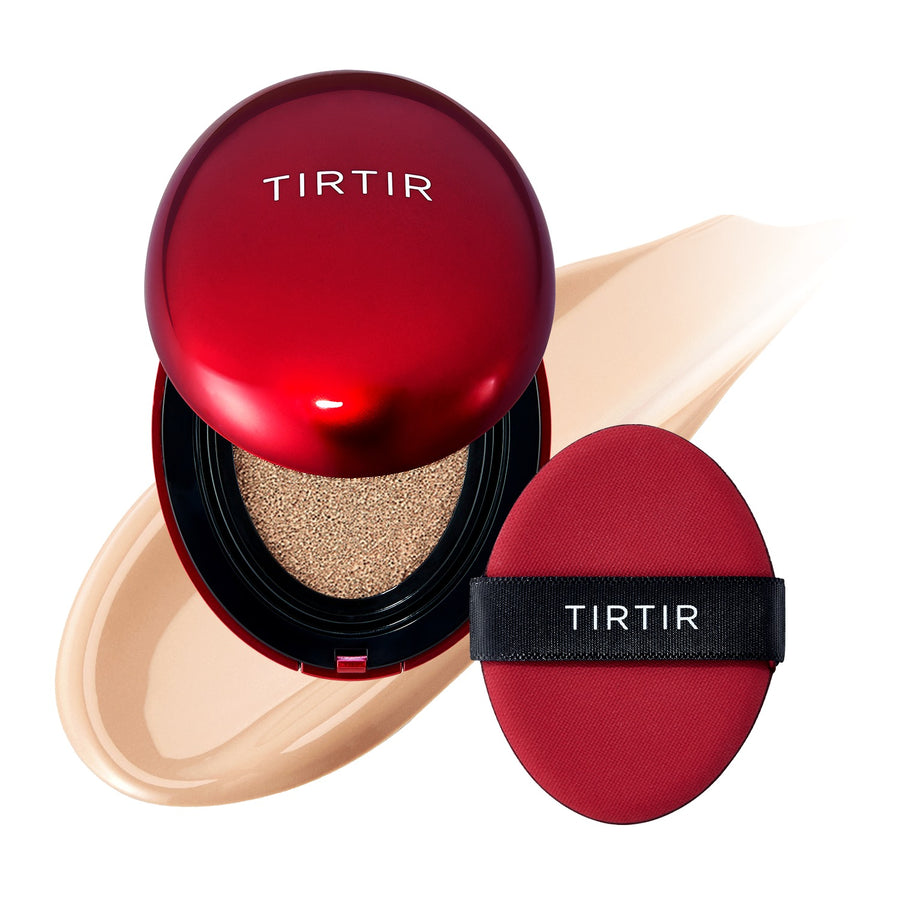
For example, Korean makeup is especially friendly to in-person shopping because color and finish matter. If you are exploring cushions online, the TIRTIR Mask Fit Red Cushion is a useful reference point for the thin-layer, buildable style many shoppers associate with Korean base makeup.
Where Specialty K-Beauty Stores Still Do Better
Specialty K-beauty retailers are strongest when you need breadth, context, and newer formulas. A mainstream store may carry one bestselling toner, while a K-beauty-focused shop may carry watery toners, milky toners, toner pads, exfoliating pads, mist toners, and essence-like formulas for different skin goals.
This matters most if your routine is already working and you want to adjust one category without disrupting everything. Specialty retailers make it easier to compare similar products side by side and choose based on texture, ingredient family, and skin type.
At Koreos, shoppers often come to specialty categories for:
- Toners and toner pads: Helpful when you want hydration, gentle smoothing, or a quick mask-like step. Browse Korean toners for watery, milky, and pad formats.
- Serums and ampoules: Better variety for niacinamide, hyaluronic acid, panthenol, PDRN-inspired formulas, and barrier-support blends. See Korean serums and ampoules.
- Sunscreens: Korean sunscreen shoppers often care about finish, cast, layering under makeup, and humidity comfort. Explore Korean sunscreen.
- Barrier care: Specialty shops usually carry more creams, balms, and serums aimed at the look and feel of a comfortable skin barrier.
- Scalp care: Korean hair routines often treat the scalp as part of beauty maintenance, not just hair washing.
If you want a toner-pad format that feels more specialized than a basic toner, Biodance Collagen Gel Toner Pads fit the category well because they combine the convenience of pre-soaked pads with a cushiony gel texture. For a deeper explanation of formats, read Toner vs Toner Pads vs Essence.
Category-by-Category: Buy Locally or From a K-Beauty Specialist?
There is no single right place to buy every product. Use the category as your guide.
Cleansers
Buy locally if you need a simple daily cleanser and already know your skin likes gel, foam, balm, or cream textures. Buy from a specialty K-beauty store if you want a specific finish, such as low-stripping, mochi-like, rice-based, or oil-control formulas.
Toners and pads
Specialty retailers are usually the better choice. The differences between hydrating toners, milky toners, exfoliating toners, and toner pads can be subtle, and a deeper assortment helps you avoid buying the wrong texture.
Serums and ampoules
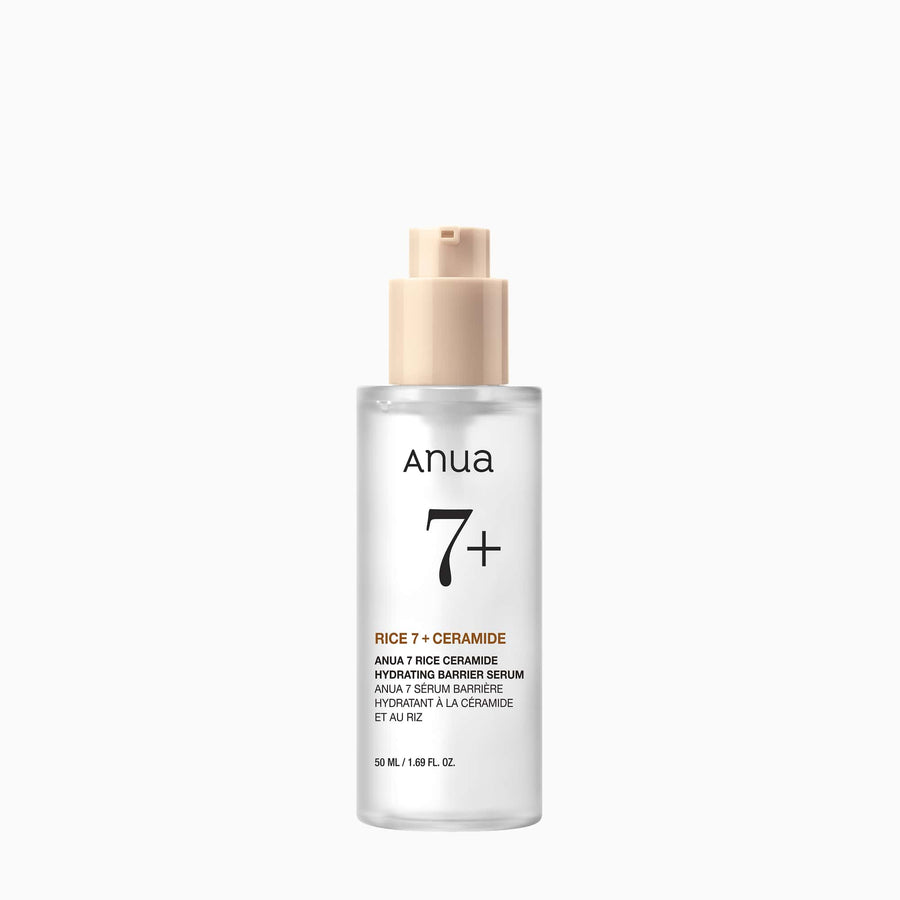
Choose specialty when you are shopping for barrier support, the look of uneven tone, dehydration, visible texture, or a specific ingredient family. The Anua Rice 7 Ceramide Hydrating Barrier Serum is a good example of a more targeted Korean serum for skin that wants a cushioned, supported feel without jumping straight to a heavy cream.
Sunscreen
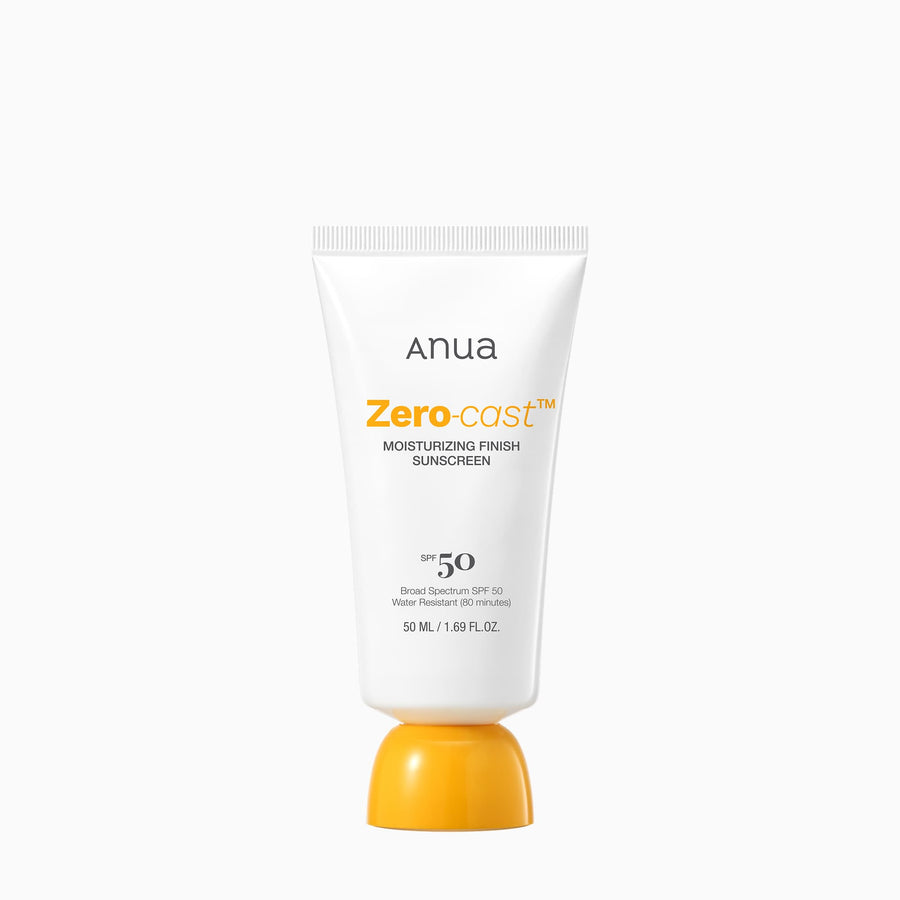
Specialty is often better because sunscreen preferences are personal: dewy versus natural finish, white cast, makeup compatibility, and comfort in humidity. The Anua Zero-Cast Moisturizing Finish Sunscreen is worth considering if you want a moisturizing Korean sunscreen with an elegant daily-wear feel. For more warm-weather comparisons, see Best No-White-Cast Korean Sunscreens for Florida.
Patches and eye-area products
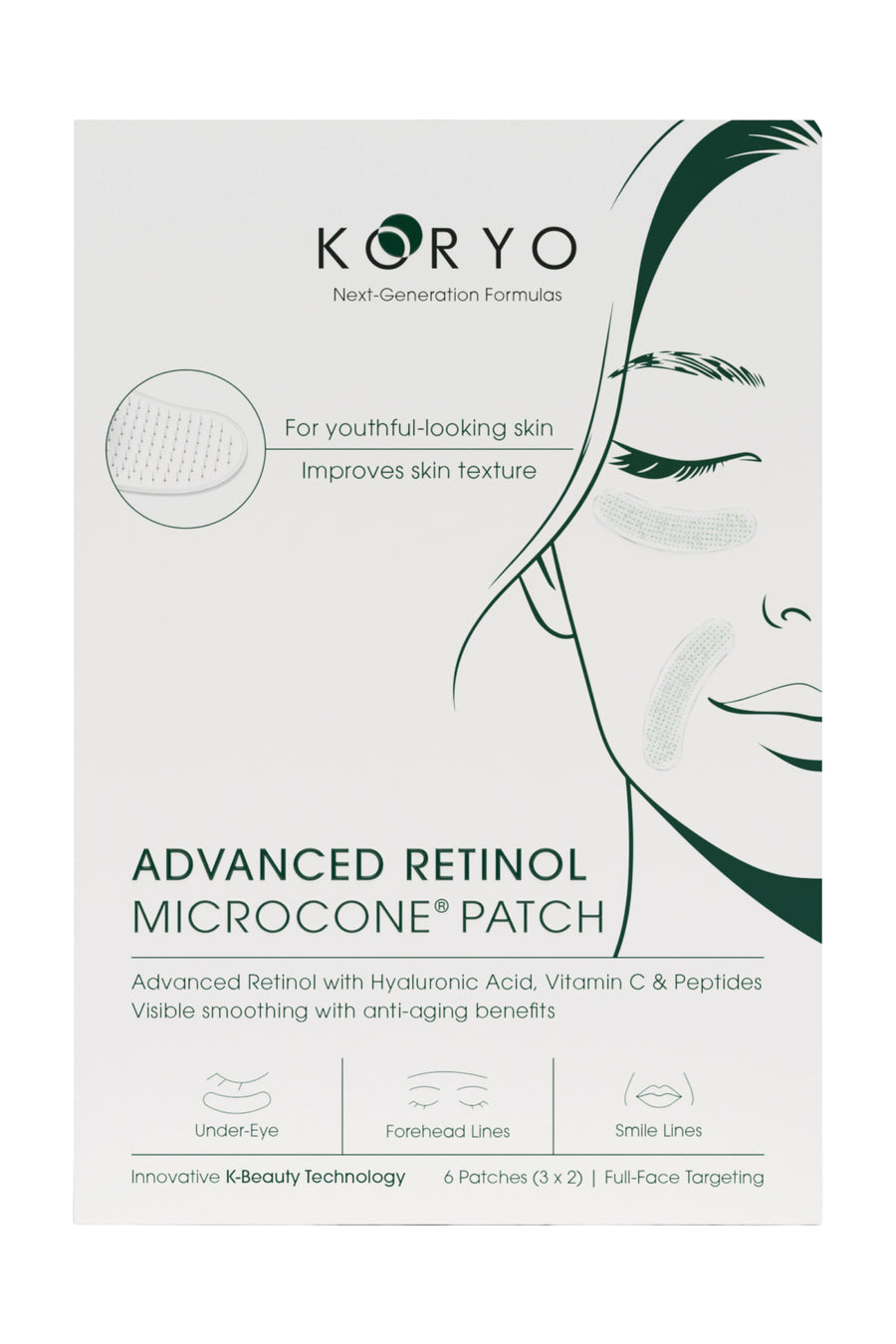
Mainstream shelves are great for quick patch purchases, especially pimple patches or eye patches. Specialty stores are better when you want to compare hydrogel eye patches, microcone patches, or formulas designed for the look of fine lines. The KORYO Advanced Retinol Microcone Patch fits the more specialized side of the patch category because it is meant for targeted, occasional use in a routine.
Scalp and hair care
Mainstream retail has helped introduce U.S. shoppers to Korean scalp care, but specialty stores offer more ways to build a full scalp-and-hair routine. The Aromatica Rosemary Scalp Scaling Shampoo is a strong example of the category because it focuses on a refreshed scalp feel rather than only the lengths of the hair.
A Smart Hybrid Shopping Strategy
The best way to shop K-beauty now is not mainstream versus specialty. It is using each channel for what it does well.
- Buy urgent replacements locally. If you are out of cleanser, moisturizer, lip tint, or patches, convenience wins.
- Research targeted steps with a specialist. For toner pads, ampoules, sunscreen, and barrier care, compare options before buying.
- Keep your routine stable. Introduce one new product at a time so you can understand how your skin responds.
- Patch test first. Apply a small amount to a discreet area before using a new formula widely, especially if your skin is reactive.
- Ask for help when skin concerns are medical. For persistent irritation, painful breakouts, or sudden changes, see a dermatologist.
This hybrid approach is especially helpful in South Florida, where humidity, sun exposure, and air conditioning can make texture just as important as ingredients. Koreos ships across the U.S., offers free U.S. shipping on orders over $35, and orders placed by 5pm ET on business days usually ship the same day.
How to Avoid Buying the Wrong Product
As K-beauty becomes easier to find, it also becomes easier to buy impulsively. A product can be popular and still not fit your skin, climate, or routine.
Before adding something to cart, ask three questions:
- What step is this replacing or adding? If you cannot name the step, you may not need it yet.
- What texture do I actually enjoy? A serum you dislike using will not help your routine stay consistent.
- Does this overlap with what I already own? Many products support hydration, glow, or smoothness. Avoid buying five versions of the same job.
For beginners, a balanced routine can be simple: cleanser, toner or serum, moisturizer, and sunscreen in the morning. Add masks, patches, exfoliants, or treatment-style serums only when the basics feel comfortable.
FAQ
Is mainstream U.S. retail now a good place to buy K-beauty?
Yes, especially for convenient categories like masks, patches, lip products, basic moisturizers, scalp care, and makeup. For deeper routine building, specialty K-beauty stores usually offer more options and better category context.
What should I still buy from a specialty K-beauty store?
Shop specialty for toner pads, ampoules, Korean sunscreens, barrier-support creams, eye patches, microcone patches, and newer launches that may not be widely distributed yet.
Are Korean sunscreens worth buying from a specialist?
Often, yes. Finish, cast, hydration level, and makeup compatibility vary widely, so a specialty assortment makes it easier to choose a sunscreen you will actually wear daily.
How many new K-beauty products should I try at once?
One at a time is best. Use a new product for several days before adding another, and patch test first if your skin is sensitive or reactive.
Can I mix mainstream finds with specialty K-beauty products?
Absolutely. A practical routine can combine locally purchased basics with specialty serums, sunscreens, toner pads, and masks chosen for your skin type and texture preferences.