Sungboon Editor EGF toner is trending because it fits a very current K-beauty wish list: watery hydration, serum-like peptides, brightening support, and a smoother-looking finish in one oversized toner step. The smarter question is not whether it is “worth the hype,” but whether its ingredient mix, texture, and claims make sense for your skin and routine.
Sungboon Editor’s Silk Peptide EGF Toner has become one of the products pushing peptide-and-growth-factor-inspired toners into the US mainstream. In November 2026, the brand said TikTok buzz around the toner helped fuel wider recognition, including 32.4% year-over-year revenue growth during a major fall shopping event, and beauty creators organically nicknamed it “TOX TONER.” That nickname is catchy, but it also makes careful evaluation important: a cosmetic toner should be judged by hydration, comfort, glow, and the look of texture, not by procedure-level expectations.
Why Sungboon Editor EGF toner became a trend
The toner went viral because it sits in the sweet spot between familiar and new. Toners are already an easy K-beauty entry point, but this one is positioned more like a light essence-serum hybrid, with a large 300 ml format and a formula story built around silk water, niacinamide, hydrolyzed silk, adenosine, Ceramide NP, multiple hyaluronic acid forms, and many peptides.
That combination speaks to several shopper goals at once: hydrated skin, a bouncy feel, a brighter-looking tone, a smoother-looking surface, and support for the skin barrier. Instead of asking shoppers to add three separate steps, the product presents those ideas in one layerable liquid.
The brand’s own site has promoted a viral bundle and a Silk Peptide EGF Toner duo, which shows how strongly the toner has become a hero product. The formula has also been described by US-facing listings as a smoothing essence toner with 30 peptides, EGF, and gold pearl ceramide capsules. That kind of messaging is exactly why shoppers want a plain-English breakdown before buying into the trend.
What “EGF” and peptides mean in a cosmetic toner
In cosmetic ingredient lists, “EGF” marketing often points to sh-Oligopeptide-1. Sungboon Editor’s toner ingredient information includes sh-Oligopeptide-1 alongside peptide ingredients such as copper tripeptide-1, acetyl hexapeptide-8, palmitoyl pentapeptide-4, and others.
Peptides are short chains of amino acids. In skincare, they are commonly used in formulas aimed at the look of firmness, smoothness, and skin bounce. They are not all identical, and more peptide names on a label does not automatically mean better results. What matters is the overall formula: the solvent base, moisturizing ingredients, barrier-supporting ingredients, texture, packaging, and how consistently you can use it without irritation.
It is also important to keep EGF language cosmetic. A toner cannot promise medical regeneration, healing, or injectable-like changes. A well-made peptide toner may help skin look more hydrated, cushioned, and refined, especially when paired with moisturizer and daily sunscreen. It should not be expected to replace retinoids, professional procedures, or dermatology care for medical skin concerns.
How to evaluate the formula beyond TikTok
Social videos are useful for showing texture and immediate glow, but they rarely show how a product behaves after two weeks, under sunscreen, or on sensitive skin. Use a more practical checklist before deciding whether a viral toner belongs in your cart.
- Ingredient support: Look for humectants, barrier helpers, and proven cosmetic workhorses around the trend ingredient. In this formula, niacinamide, hyaluronic acid forms, adenosine, Ceramide NP, and silk-derived ingredients help make the peptide story more well-rounded.
- Texture: A toner-serum hybrid should spread easily and absorb without making your routine feel heavy. If you live in a humid climate, use fewer layers and seal with a lighter moisturizer.
- Claim realism: “TOX TONER” is a nickname, not a result category. Evaluate the product for the look of smoothness and plumpness, not facial-freezing effects.
- Skin compatibility: Peptides are not automatically irritating, but any complex formula can bother some skin. Patch test first, especially if your skin is reactive.
- Routine fit: If you already use several serums, this type of toner may duplicate some functions. If your routine is minimal, it may be a convenient multi-benefit first treatment step.
If you are still sorting out the difference between watery toners, toner pads, and essences, Koreos has a helpful guide to toner vs toner pads vs essence. For a broader social-media reality check, read Trending K-Beauty on TikTok: What’s Actually Worth It?.
Who may like a peptide-and-EGF toner
This kind of toner is most appealing for skin that feels dull, dehydrated, or less bouncy than usual, especially when the person does not want a heavy cream or oil. Dry and combination skin types may enjoy the water-light hydration before moisturizer. Normal skin may like it as a flexible glow step. Oily skin can still use it, but may prefer one thin layer rather than the popular multi-layer toner method.
Sensitive skin needs a slower approach. The ingredient list is complex, and complex is not always better for reactive skin. Try it on a small area for a few nights before applying it all over. If you have persistent burning, rash-like irritation, or a medical skin condition, pause and check with a dermatologist.
For shoppers exploring this category at Koreos, the Korean Toners collection is a useful place to compare textures. If your main goal is a more cushioned barrier feel, browse Barrier Care Skincare. If you want a stronger serum step instead of a toner step, compare options in Korean Serums & Ampoules.
How to layer it in a real routine
A peptide toner is usually easiest to use after cleansing and before thicker serums, creams, and sunscreen. Think of it as your first leave-on hydration layer, not the final step.
- Cleanse gently. Avoid stripping the skin, because peptide and barrier-support routines look best when the skin is comfortable.
- Apply toner to palms. Pat on one layer. Add a second only if your skin still feels thirsty.
- Follow with serum if needed. Choose one targeted serum rather than stacking every active you own.
- Seal with moisturizer. This helps hold in the hydration from the toner.
- Use sunscreen in the morning. A smoother-looking routine depends on daily UV protection.
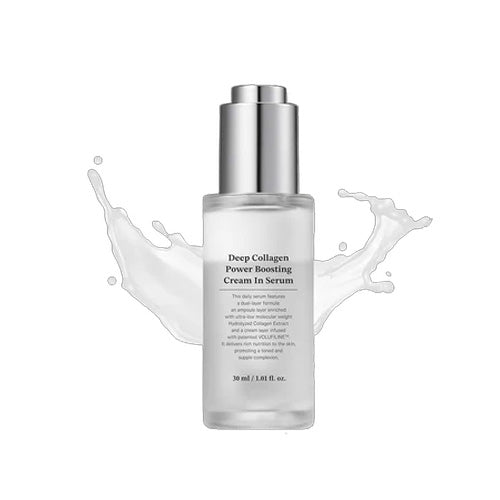
If you like the Sungboon Editor peptide story but want a complementary mask step, Sungboon Editor Silk Peptide EGF Intensive Gold Mask fits the same silk-peptide theme and is best used when skin feels dry or makeup is not sitting smoothly. For a serum from the same brand family, Sungboon Editor Deep Collagen Power Boosting Cream In Serum makes sense for shoppers who prefer a richer, serum-focused firming routine.
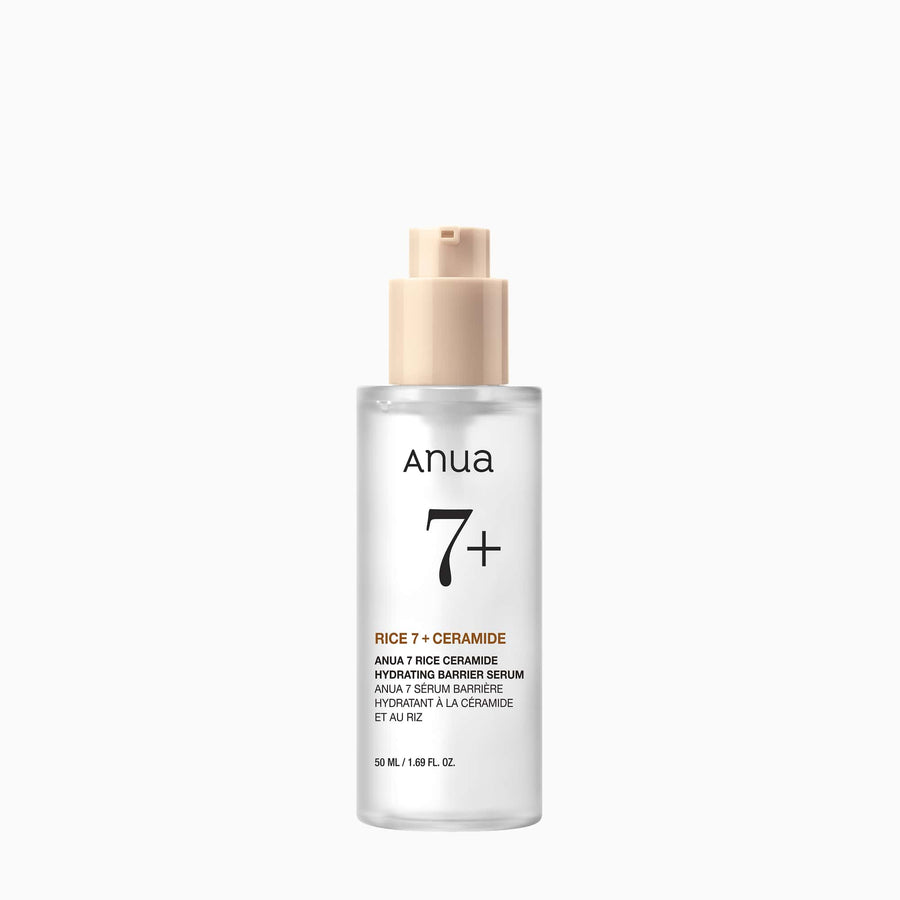
If your interest is specifically peptides, Medicube Zero Pore One Day Peptide Serum is a more targeted serum option for the look of pores and texture. If you want a toner with a nourishing, comfort-focused feel rather than an EGF angle, Round Lab Soybean Nourishing Toner is a good comparison for dry skin. For barrier support after a toner step, Anua Rice 7 Ceramide Hydrating Barrier Serum pairs niacinamide, hydration, and ceramide care in a lightweight serum format.
What results to expect, and what not to expect
The most realistic short-term results from a toner like this are hydration, a softer feel, a dewier look, and a smoother surface under moisturizer or makeup. Niacinamide may help with the look of uneven tone over time, while adenosine and peptides are commonly used in formulas aimed at the look of firmness and fine lines.
What should you not expect? Do not expect a toner to “freeze” expression lines, replace sunscreen, erase deep wrinkles, or solve irritation caused by an overloaded routine. If your skin barrier is stressed, adding a complex viral toner may not be the first move. Start with a gentle cleanser, a simple moisturizer, and sunscreen, then add peptide products once your skin feels steady.
For US shoppers, the trend is less about one bottle and more about a shift in toner expectations. Toners used to be viewed mainly as prep steps. Now, peptide, EGF-inspired, PDRN, collagen, ceramide, and niacinamide toners are being judged almost like lightweight serums. That can be useful, as long as the routine stays balanced.
FAQ
Is Sungboon Editor EGF toner the same as a serum?
No. It is best understood as a toner-serum hybrid: lighter than most serums, but more ingredient-focused than a basic hydrating toner. You can still use a separate serum if your skin needs a more targeted step.
Can peptide toners be used every day?
Many people can use peptide toners daily, but start slowly if the formula is new to you. Patch test first, then try it once a day before increasing use.
Should I use it before or after niacinamide serum?
Use the toner first, then serum. Since the Sungboon Editor formula already includes niacinamide, avoid stacking multiple high-niacinamide products if your skin becomes flushed, tight, or uncomfortable.
Is “TOX TONER” a real skincare category?
No. It is a social nickname used by beauty creators. Judge the product by cosmetic benefits such as hydration, glow, and the look of smoother texture.
Can sensitive skin use EGF and peptide products?
Possibly, but sensitive skin should be cautious with any complex formula. Patch test, introduce it slowly, and see a dermatologist for ongoing irritation or medical skin concerns.