An azelaic acid serum is often a smart pick when redness-prone skin also has post-acne dark spots, because azelaic acid is known for helping the look of uneven tone, blemish marks, and visible redness. Niacinamide may be the better first step if your skin barrier feels easily irritated, dry, or reactive. Many routines can use both: niacinamide for barrier-supporting comfort and tone, and azelaic acid for a more targeted redness-and-mark focus.
What an azelaic acid serum can do for redness-prone skin
Azelaic acid sits in an interesting place: it is discussed by dermatology organizations for redness-related concerns, acne-prone skin, and stubborn discoloration, while cosmetic serums are used to improve the appearance of tone and clarity.
According to the American Academy of Dermatology, azelaic acid foam or gel may be part of rosacea care for acne-like bumps and lingering color changes. MedlinePlus also describes azelaic acid gel and foam in the context of rosacea bumps and swelling, while azelaic acid cream is discussed for acne pimples and swelling. That does not mean an over-the-counter cosmetic serum is a medical product; it means azelaic acid is a well-known ingredient family for people who deal with visible redness and blemish-related marks.
For dark spots, the most useful context is discoloration left after breakouts or irritation. DermNet notes that azelaic acid can influence tyrosinase, an enzyme involved in pigment production, which is why it is often mentioned for post-acne marks and melasma-related discoloration. In everyday skincare language, that means it may help the look of brown marks over time, especially when paired with consistent sunscreen.
How to choose azelaic acid in the US: percentage, texture, and sensitivity
Most US shoppers comparing cosmetic azelaic acid products will see formulas around 10%, with some K-beauty options using higher cosmetic percentages. Prescription azelaic acid strengths and medical rosacea or acne care are dermatologist discussions, especially if you have painful bumps, flushing, burning, or discoloration that is spreading.
For cosmetic shopping, focus on three things:
- Percentage: A 10% formula is a practical starting point for many people. If your skin already tolerates azelaic acid, a higher cosmetic percentage may be worth considering, but introduce it slowly.
- Support ingredients: Hyaluronic acid, panthenol, centella, and niacinamide can make a formula feel more comfortable, especially for skin that gets tight or looks flushed.
- Texture: Lightweight serums layer well under moisturizer and sunscreen. Creamy or thicker formulas may suit dry skin but can feel heavy in humid Florida weather.
Patch test first, then use it two or three nights a week before moving toward daily use. A brief tingling feeling can happen with active serums, but persistent stinging, burning, scaling, or stronger redness is a sign to pause and simplify.
Azelaic acid vs niacinamide: when one may fit better
Azelaic acid and niacinamide overlap, but they are not the same. Azelaic acid is the more directly relevant active when your main concerns are the look of redness, blemish-prone texture, and post-acne brown marks in one routine step. Niacinamide is usually framed as a gentler barrier-supporting ingredient that helps the look of uneven tone, excess shine, and visible pores.
Choose azelaic acid first if:
- Your skin looks red and congested at the same time.
- Breakouts leave brown marks that linger for weeks or months.
- You want one active that addresses the look of both redness and post-acne discoloration.
- You tolerate active serums reasonably well and can introduce them slowly.
Choose niacinamide first if:
- Your skin often feels tight, over-exfoliated, or easily irritated.
- You are new to active skincare and want a lower-risk starting point.
- Your main concerns are oiliness, pores, and overall tone rather than visible redness.
- You already use other actives and need something more supportive than intensive.
Use both if your skin tolerates them. The easiest approach is niacinamide in the morning and azelaic acid at night, or alternating nights if your skin is sensitive. If a formula already combines azelaic acid with niacinamide, avoid stacking multiple strong serums at the same time until you know your skin’s limits. For a deeper comparison, Koreos has a dedicated niacinamide serum guide.
How to build a routine for redness and post-acne dark spots
A redness-prone routine should be steady, not aggressive. The biggest mistake is adding azelaic acid, exfoliating acids, retinoids, vitamin C, and spot products all at once, then wondering why the skin looks angrier. Keep the routine simple for two weeks before judging results.
Morning routine
- Use a gentle cleanser or rinse with water if your skin is dry.
- Apply a hydrating toner or a niacinamide serum if your skin likes it.
- Use moisturizer to cushion the skin barrier.
- Finish with broad-spectrum sunscreen every morning.
Sunscreen is non-negotiable for dark spots. UV exposure can keep discoloration looking more visible, even if your serum routine is thoughtful. If sunscreen texture is the reason you skip it, browse Koreos’ Korean sunscreen options and choose one you will actually wear daily.
Night routine
- Cleanse thoroughly, especially if you wore sunscreen or makeup.
- Apply azelaic acid on dry skin, starting two or three nights weekly.
- Follow with a calming moisturizer.
- On non-azelaic nights, keep the routine hydrating or use niacinamide if tolerated.
If you also use exfoliating acids or retinoids, alternate rather than layering them with azelaic acid at first. For a blemish-focused routine framework, see Korean Skincare for Blemish-Prone Skin.
K-beauty picks that fit this routine
For a classic 10% option, Anua Azelaic Acid 10 Hyaluron Redness Soothing Serum is the most straightforward pick: it suits shoppers who want an azelaic-focused serum with a hydrating feel for redness-prone, blemish-prone routines.
If you already know your skin tolerates azelaic acid, Medicube Azelaic Acid 16 BB Soothing Serum is a stronger-feeling cosmetic serum option that also fits oily or sensitive-skin shopping filters in the Koreos catalog.
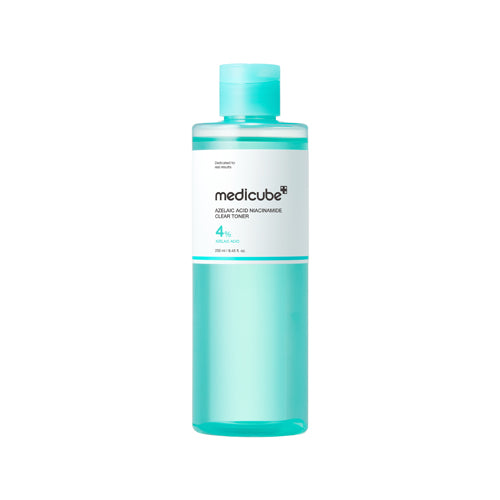
Prefer a lighter step before serum or moisturizer? Medicube Azelaic Acid Niacinamide Clear Toner makes sense for shoppers who like watery layers and want azelaic acid and niacinamide in the same routine category.
If your skin seems too reactive for azelaic acid right now, Dr.Althea 15% Niacinamide Purity Serum is a niacinamide-centered alternative for the look of uneven tone, shine, and texture.
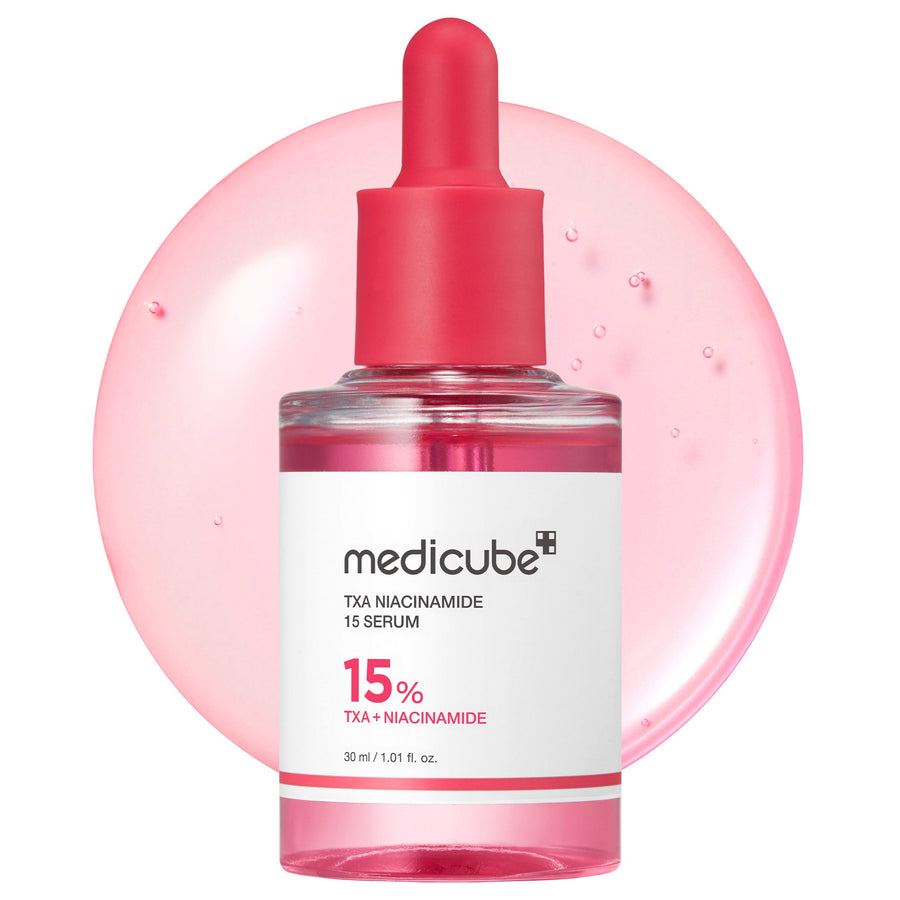
For a tone-focused niacinamide routine, Medicube TXA Niacinamide 15 Serum is a good match when dark spots are the main concern and visible redness is secondary.
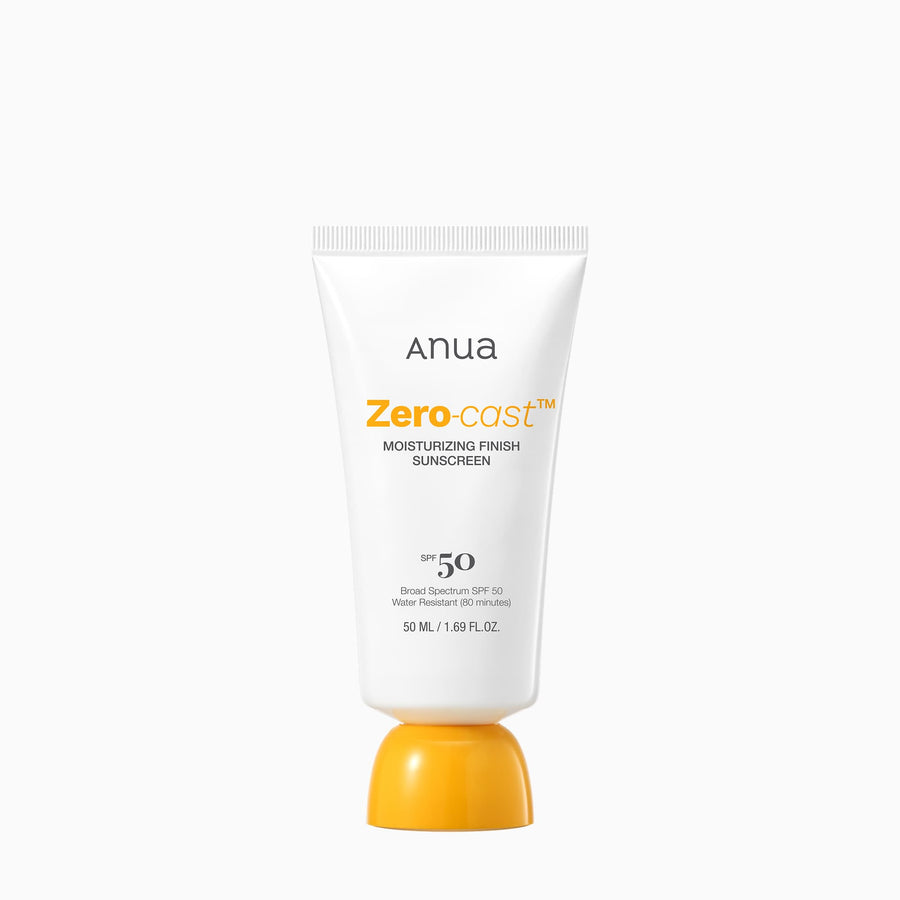
To protect the progress of any dark-spot routine, pair your morning steps with Anua Zero-Cast Moisturizing Finish Sunscreen, a moisturizing sunscreen option that fits dry and sensitive-skin filters.
You can also browse azelaic acid skincare, niacinamide skincare, and Korean serums and ampoules by skin goal. Koreos ships across the US, and orders placed by 5pm ET on business days usually ship the same day.
FAQ
Can I use azelaic acid serum every day?
Some people can, but redness-prone skin should start slowly. Try two or three nights weekly, then increase only if your skin stays comfortable and not overly dry.
Is azelaic acid better than niacinamide for redness?
For redness-prone shoppers, azelaic acid is usually the more directly redness-relevant active. Niacinamide is often the easier-to-tolerate helper for barrier support, tone, and shine.
Can I layer azelaic acid and niacinamide together?
Yes, many routines can use both. If your skin is sensitive, use niacinamide in the morning and azelaic acid at night, or choose a product that already combines them.
How long does azelaic acid take for post-acne dark spots?
Dark spots fade gradually, and timing varies by skin tone, sun exposure, and how often new breakouts appear. Daily sunscreen helps keep marks from looking more pronounced.
When should I see a dermatologist?
See a dermatologist if you have diagnosed rosacea, painful acne, sudden flushing, burning, swelling, or discoloration that changes quickly. Prescription azelaic acid and medical care require personalized guidance.