Bemotrizinol sunscreen matters because the FDA added bemotrizinol to the U.S. over-the-counter sunscreen monograph on June 10, 2026, giving U.S. sunscreen makers another modern UV filter option. For K-beauty shoppers, that is exciting—but it does not mean every Korean-market SPF can now be sold unchanged in the U.S. or that U.S. and Korean formulas are automatically the same.
The short version: bemotrizinol may help future U.S. sunscreens feel more like the lightweight, clear-finish formulas many shoppers associate with Korean sun care. Still, sunscreen is regulated differently by country, and the exact active filters, percentages, testing, labels, and packaging can vary from one market to another.
What bemotrizinol sunscreen means in the U.S.
Bemotrizinol is a UV filter used in sunscreen formulas. BASF markets the ingredient as Tinosorb S, a name K-beauty and European sunscreen fans may already recognize from ingredient-list discussions.
According to the FDA’s sunscreen Q&A, the agency issued final order OTC000039 on June 10, 2026, adding bemotrizinol as an active ingredient to the U.S. OTC sunscreen monograph: FDA sunscreen regulatory actions Q&A. The FDA’s consumer sunscreen page also says the addition was meant to expand safe and effective sun-protection options for consumers.
The Federal Register notice states that bemotrizinol may be used in OTC sunscreen products at concentrations up to 6 percent and lists allowed product forms including oils, lotions, creams, gels, butters, pastes, ointments, sticks, and certain spray systems: Federal Register notice on bemotrizinol.
Why this matters: the U.S. sunscreen active list has historically changed slowly compared with some overseas markets. BASF described bemotrizinol as the first new sunscreen active ingredient added for U.S. OTC sunscreen use since 1999. The FDA has also said DSM Nutritional Products submitted the OTC monograph order request that led to the ingredient being considered.
Why K-beauty sunscreen fans are paying attention
Sunscreen is one of the easiest entry points into Korean skincare because many formulas are designed to feel comfortable under makeup, in humidity, and during daily reapplication. U.S. shoppers often look for elegant textures: weightless lotions, soft gels, invisible finishes, and sticks that do not feel waxy.
Bemotrizinol is relevant because it has already been familiar in markets such as Korea and Europe, where shoppers have had access to a broader range of sunscreen filters. An FDA scientific review noted that a survey of South Korean sunscreen products found bemotrizinol commonly used with filters such as avobenzone, octinoxate, octisalate, homosalate, octocrylene, and titanium dioxide.
That combination point is important. A sunscreen’s finish is not determined by one filter alone. Texture comes from the whole formula: UV filters, film formers, emollients, powders, moisturizers, fragrance choices, packaging, and testing targets.
If you love K-beauty sunscreen because it feels more like skincare than a heavy beach product, bemotrizinol’s U.S. monograph status may open the door to more familiar-feeling formulas over time. It does not instantly change every bottle on shelves.
Why Korean-market SPF formulas are not automatically the same as U.S. versions
Here is the key shopping lesson: sunscreen rules are not global. In the U.S., sunscreen products are regulated as OTC drugs when they make SPF and broad-spectrum claims. That means U.S. products must follow U.S. rules for active ingredients, permitted concentrations, labeling, testing, and dosage forms.
Korean-market sunscreens follow Korean regulatory requirements. A Korean brand may create one formula for Korea and a different version for another market. Even when the packaging looks similar, the Drug Facts panel, active filters, SPF wording, and ingredient list can differ.
That is why bemotrizinol being newly allowed in U.S. OTC sunscreens does not mean:
- Every Korean sunscreen formula can now be imported into the U.S. unchanged.
- A Korean-market SPF and U.S.-market SPF from the same brand will have identical active filters.
- A product mentioning Tinosorb S in one country will necessarily contain it in another country.
- The texture, finish, or reapplication feel will be exactly the same across markets.
- Old content online about “U.S. filters” or “Korean filters” is automatically up to date.
It also does not mean older U.S. sunscreen rules stopped applying. The FDA separately says it issued a September 10, 2026 final administrative order removing PABA and trolamine salicylate from the OTC sunscreen monograph because their risks outweighed their benefits. In other words, the active ingredient list can change in both directions: adding options and removing ones the agency no longer keeps in the monograph.
How to read sunscreen labels now
For U.S. K-beauty shoppers, the label is more reliable than assumptions based on country of origin. When comparing sunscreens, look first at the version in your hand or in the product listing.
- Check the active ingredients. U.S. OTC sunscreen labels list active sunscreen ingredients in a Drug Facts format. If bemotrizinol is present in a U.S. OTC sunscreen, it should appear there.
- Look for SPF and broad-spectrum wording. SPF tells you about UVB protection. Broad-spectrum labeling indicates UVA and UVB coverage under U.S. rules.
- Note the product form. Lotion, cream, stick, cushion-style formats, and sprays can feel very different during reapplication.
- Consider your daily routine. A sunscreen that layers well with toner, serum, moisturizer, and cushion makeup is easier to use consistently.
- Patch test first. Try a small amount on a discreet area before full-face use, especially if your skin is easily reactive.
If you are shopping our Korean sunscreen collection, choose by texture, finish, and routine fit rather than assuming a product contains a specific filter. Ingredient lists can change, so the most current product packaging should guide your decision.
K-beauty sunscreen picks to consider while the market evolves
Current Korean sunscreens can still be excellent everyday options even if you are simply waiting to see how bemotrizinol formulas develop in the U.S. The goal is to find a finish you will apply generously and reapply when needed.
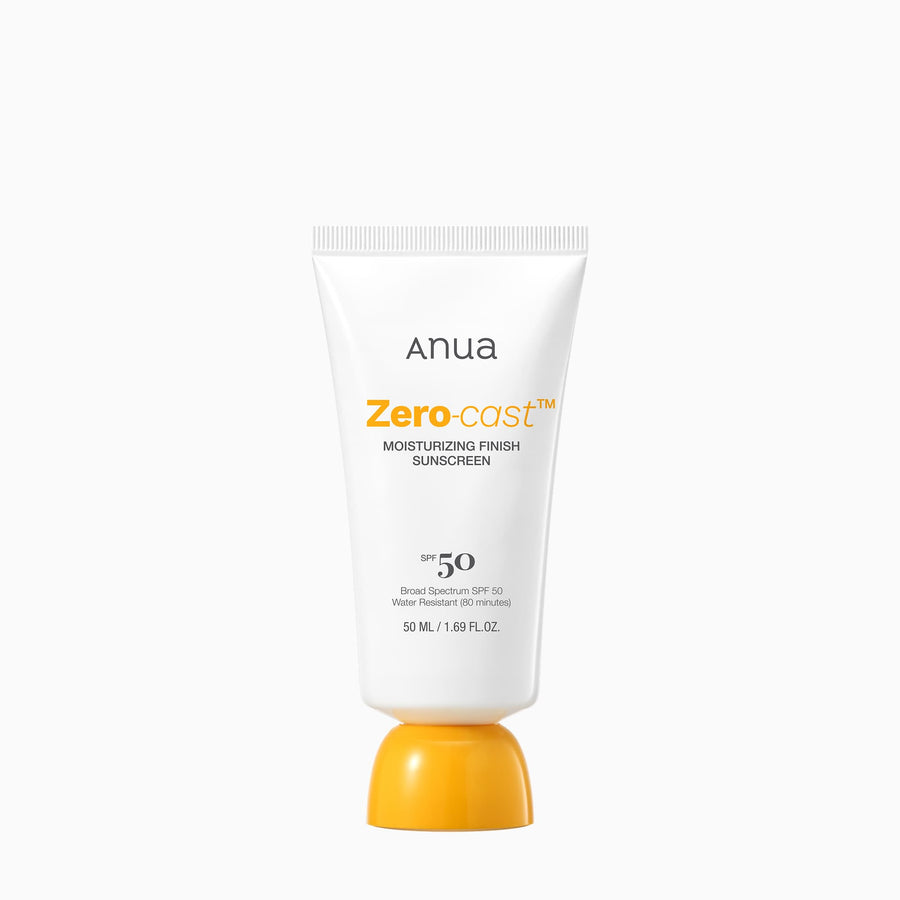
Anua Zero-Cast Moisturizing Finish Sunscreen is a good match for shoppers who want a moisturized feel and a finish designed to avoid the look of a chalky cast.
Mixsoon Bean Sunscreen SPF 50 fits the minimalist K-beauty preference for a daily sunscreen that can slide into a simple morning routine.
Heimish RX Hyaluronic Acid Hydrating Sunscreen SPF 50+ is especially relevant if your skin prefers a hydrating base before makeup.
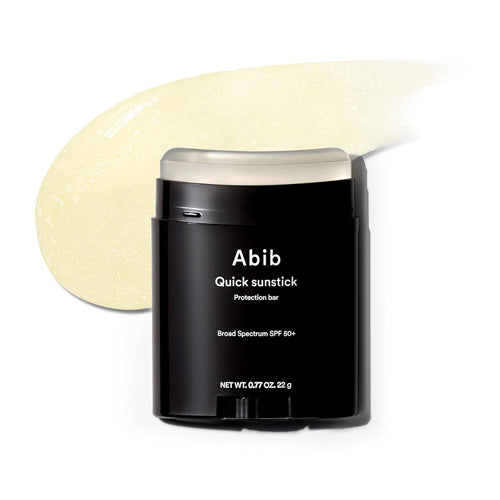
Abib Quick Sunstick Protection Bar SPF50+ is useful for on-the-go touchups because stick formats are easy to keep in a bag or desk drawer.
AXIS-Y Complete No-Stress Physical Sunscreen SPF 50+ is worth considering if you prefer a mineral-style sunscreen format and a skincare-first feel.
For more finish-focused shopping, see our guide to no-white-cast Korean sunscreens for Florida. If you are building the rest of your morning routine, our Korean skincare routine guide explains where sunscreen fits after moisturizer and before makeup.
What may change next for U.S. K-beauty shoppers
AP reported in October 2026 that the first U.S. sunscreens using bemotrizinol had begun reaching store shelves after the FDA’s June action. That suggests shoppers may start seeing more labels that include this filter, but rollout timing will vary by brand, product type, and distribution plan.
For K-beauty, the most interesting possibilities are not just “new filter equals better sunscreen.” The real opportunity is more formulation flexibility. Brands may be able to design U.S. versions that get closer to the comfortable textures shoppers already love: soft lotions, clear gels, breathable creams, and elegant sticks.
Still, the practical advice stays the same:
- Buy from a trusted source so you know which market version you are getting.
- Read the active ingredients rather than relying on social posts or old reviews.
- Use enough product for the labeled protection.
- Reapply, especially after sweating, swimming, toweling, or long outdoor time.
- See a dermatologist for medical skin concerns, unusual reactions, or personalized sun-care advice.
Koreos ships across the U.S., with free U.S. shipping on orders $35+. Orders placed by 5pm ET on business days usually ship the same day, which helps when you are restocking daily SPF before a sunny week.
FAQ
Is bemotrizinol the same as Tinosorb S?
Yes. Tinosorb S is a trade name used by BASF for bemotrizinol. On a U.S. OTC sunscreen label, shoppers should look at the active ingredient section for the official ingredient name.
Does bemotrizinol mean Korean sunscreens in the U.S. are now identical to Korean versions?
No. U.S. sunscreens still need to follow U.S. OTC sunscreen rules. A brand may use different active filters, percentages, labeling, or packaging for different markets.
Should I replace my current Korean sunscreen with a bemotrizinol sunscreen?
Not automatically. If your current sunscreen suits your skin, layers well, and you use it consistently, it can still be a good daily choice. Bemotrizinol simply gives U.S. formulas another permitted filter option.
How do I know whether my sunscreen contains bemotrizinol?
Check the active ingredients on the current label or product packaging. Do not assume based on brand name, country of origin, or a similar-looking product sold in another market.
Can I use Korean sunscreen under makeup?
Yes, many K-beauty sunscreens are designed with comfortable daily wear in mind. Let each skincare layer settle, apply sunscreen evenly, and give it a moment before cushion, concealer, or powder.