Do pimple patches work? Yes—for surface-level whiteheads, open or oozing pimples, and picked spots, a hydrocolloid patch can help absorb fluid, protect the area, and reduce the urge to touch it. They work best on clean, completely dry skin for 6–8 hours or overnight, but they are not a replacement for a consistent acne routine or dermatology care for deep, painful, recurring, or scarring acne.
The key is matching the patch to the right blemish. A patch can make a raised whitehead look flatter by morning, but it will not reach inflammation sitting deep under the skin. Here is how to use them well, what the newer evidence actually says, and where they fit in a K-beauty routine.
Do pimple patches work? The realistic answer
Most pimple patches are made with hydrocolloid, the same type of gel dressing used to absorb fluid and keep a small area covered. According to the Cleveland Clinic, hydrocolloid can soak up pus and oil from an open or oozing blemish while creating a protected, moist environment over the spot.
That is why patches tend to perform best on a pimple with a visible white or yellow head. The fluid is close to the surface, so the patch can actually reach it. If the bump is red, sore, and buried under the skin with no head, the patch may still stop you from picking, but it usually will not flatten the bump in the same satisfying way.
The physical barrier matters, too. The American Academy of Dermatology advises against picking or popping acne because manipulation can make acne look worse and may increase the chance of marks. A patch can help simply by covering the spot so fingers, makeup brushes, and friction are less involved.
What pimple patches can and cannot do
Think of a hydrocolloid acne patch as a short-term spot tool, not a complete acne plan. It is useful for managing one visible blemish, especially before sleep or during a low-touch day at home.
- They can help absorb surface fluid. This is the classic white, cloudy center you may notice after wearing a patch.
- They can help the pimple look flatter. Newer research is encouraging: a 2025 randomized, open-label home-use trial with 37 volunteers reported that unmedicated hydrogel/hydrocolloid patches improved the appearance of active pustules compared with untreated spots over 10 days.
- They can reduce picking. Dermatology Times summarized that same 2025 trial as showing less worsening of post-inflammatory hyperpigmentation in patched spots than untreated controls by day 10, which supports the idea that less touching may help the look of lingering marks.
- They cannot pull out deep cysts. Deep, painful nodules and cysts sit below the surface, where a flat hydrocolloid sticker cannot reach.
- They cannot prevent every future breakout. If blemishes keep coming back, daily habits and ingredients matter more than repeatedly patching one spot at a time.
It is also worth being realistic about the evidence. The recent research is promising, especially for surface pustules, but many studies are small, not blinded, or connected to industry. In everyday terms: yes, patches can be very helpful, but they are not magic erasers.
How to use a pimple patch for best results
Application is where many people lose the benefit. Hydrocolloid needs close contact with the skin, and oils, creams, sunscreen, or dampness can make the edges lift.
- Cleanse first. Wash the area gently so the patch is not sitting on sweat, makeup, or sunscreen.
- Dry completely. Wait until the skin is fully dry. Even a little moisture can weaken adhesion.
- Choose the right size. The patch should fully cover the blemish with a small border around it.
- Press and leave it alone. Apply with clean hands, press the edges down, and avoid repeatedly checking it.
- Wear for 6–8 hours or overnight. Recent science summaries and many product directions point to this window as a practical best-use time.
- Replace when cloudy and swollen. A patch that has turned opaque has absorbed fluid; remove it gently and use a fresh one if needed.
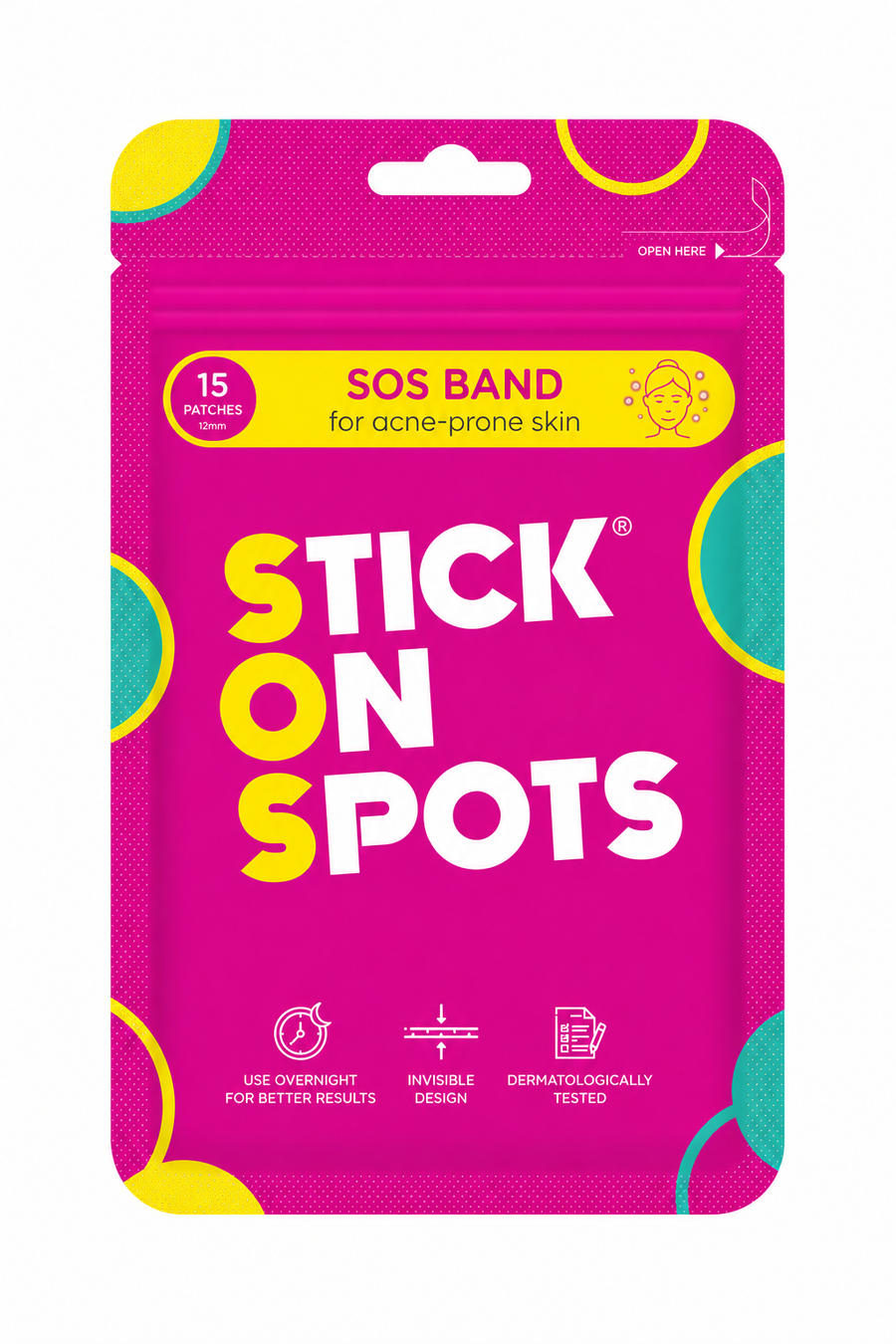
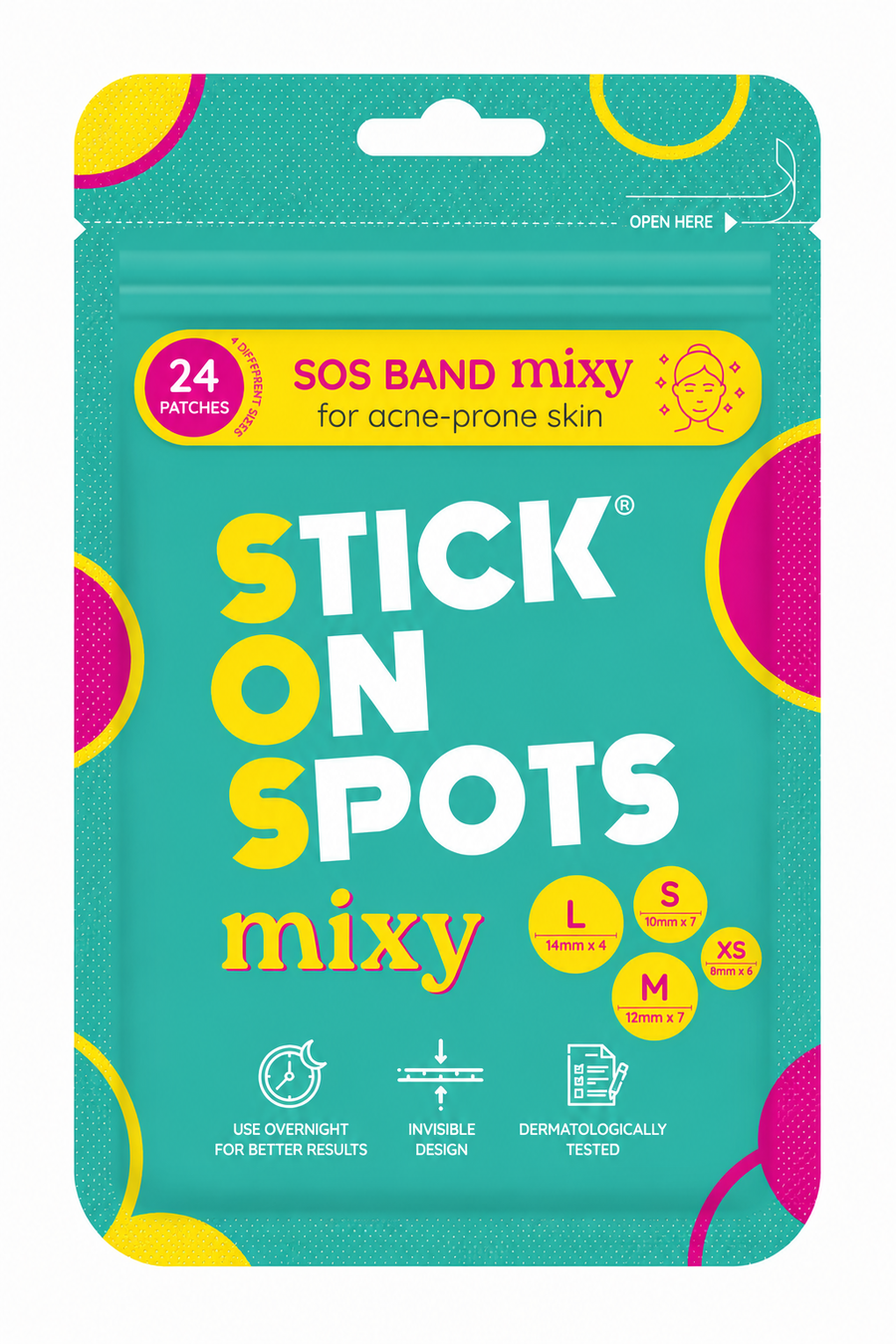
For a classic hydrocolloid option, S.O.S Regular - Stick on Spots is a straightforward pick for everyday whiteheads and small picked spots. If you prefer more variety in one pack, S.O.S Mixy - Stick on Spots includes multiple patch sizes so you can cover the blemish without using a patch that is too small.
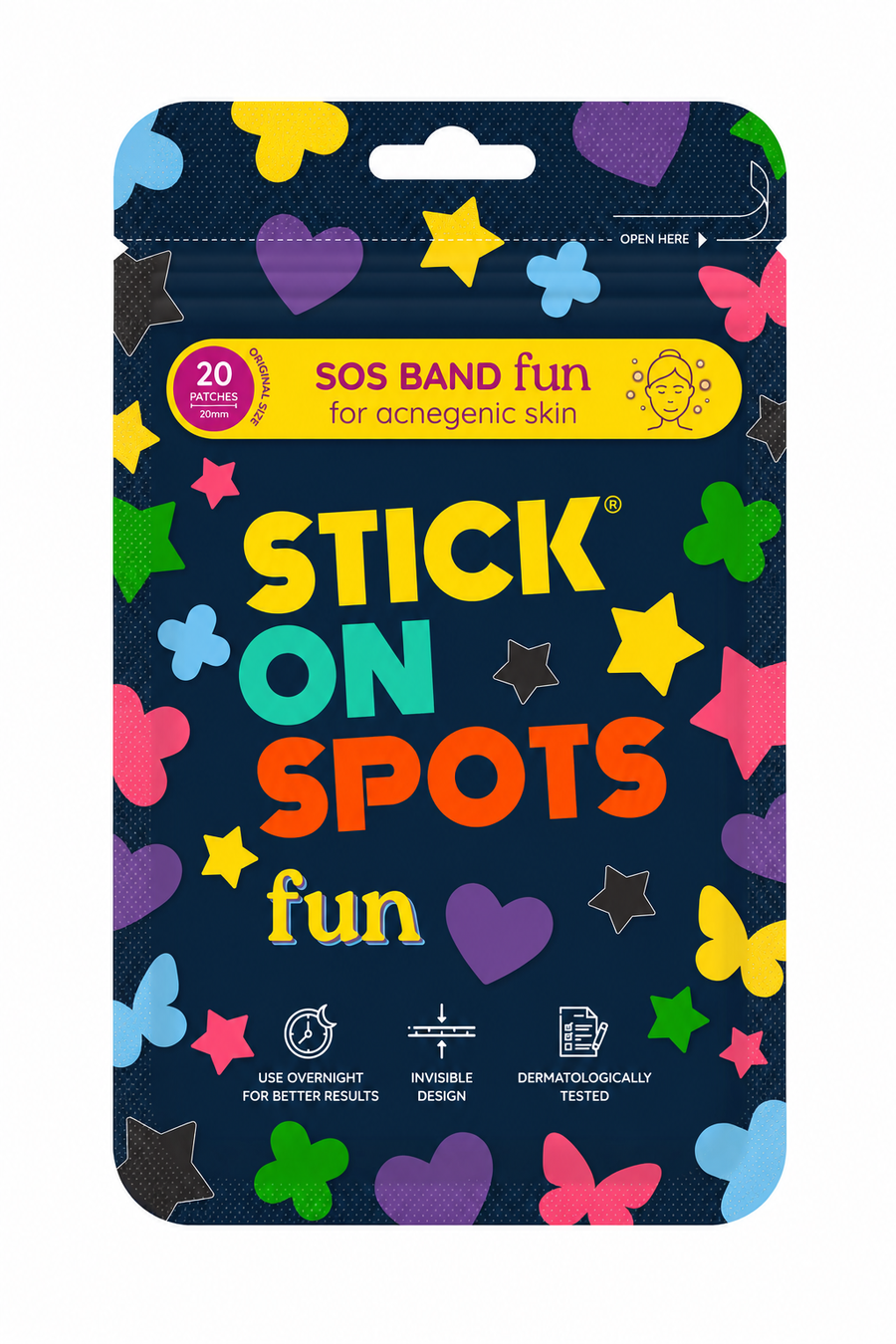
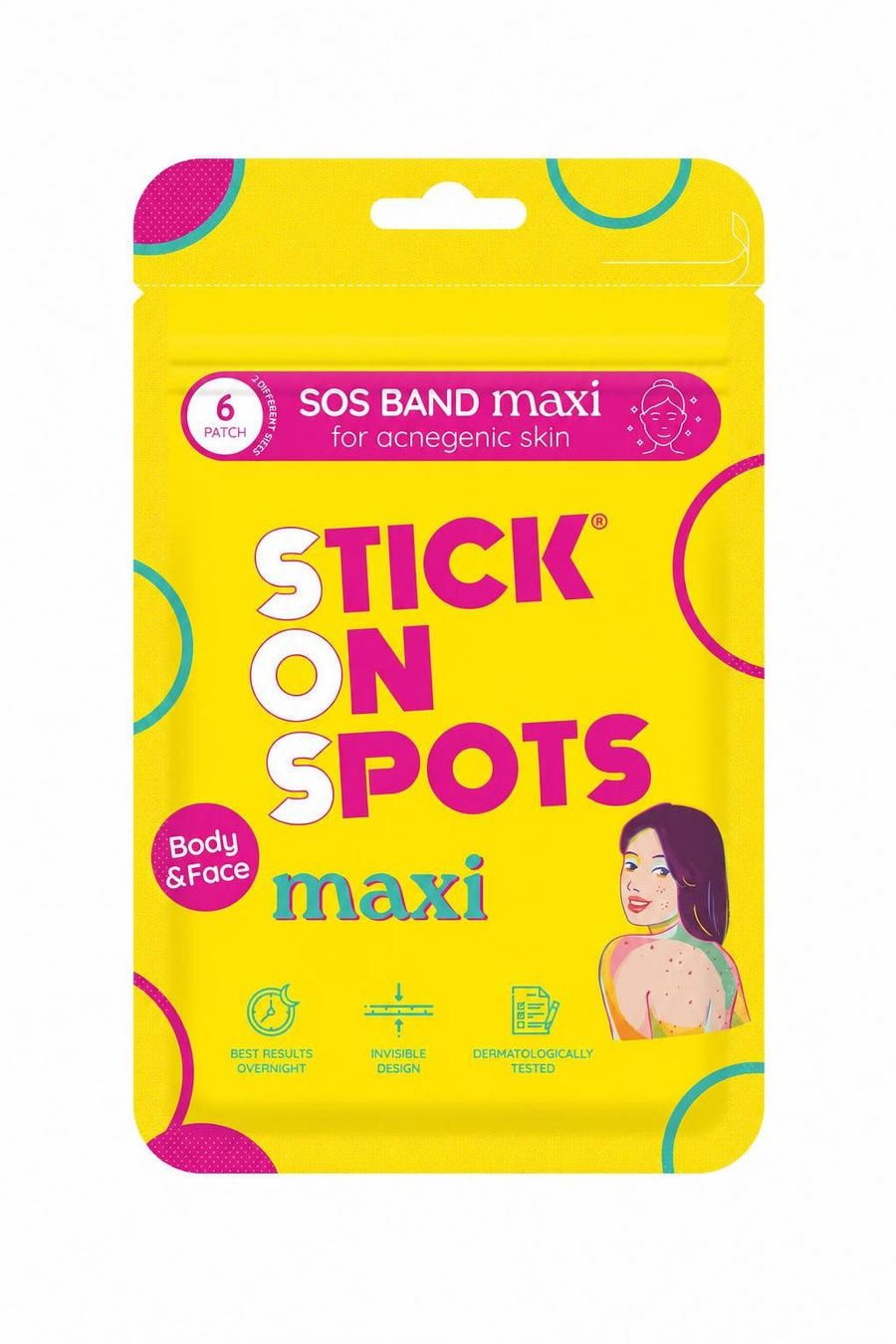
For larger surface spots, S.O.S Maxi - Stick on Spots makes sense when you need wider coverage. Cute patches can also make you less likely to pick; S.O.S Fun - Stick on Spots is best for casual wear when visibility is not a concern.
Where patches fit in a real acne routine
A patch is the emergency sticker. Your routine is the long game. If blemishes are occasional, a gentle cleanse, a lightweight moisturizer, sunscreen in the morning, and patches as needed may be enough for your cosmetic goals. If blemishes are frequent, build a routine that supports oil balance, barrier comfort, and consistent cleansing.
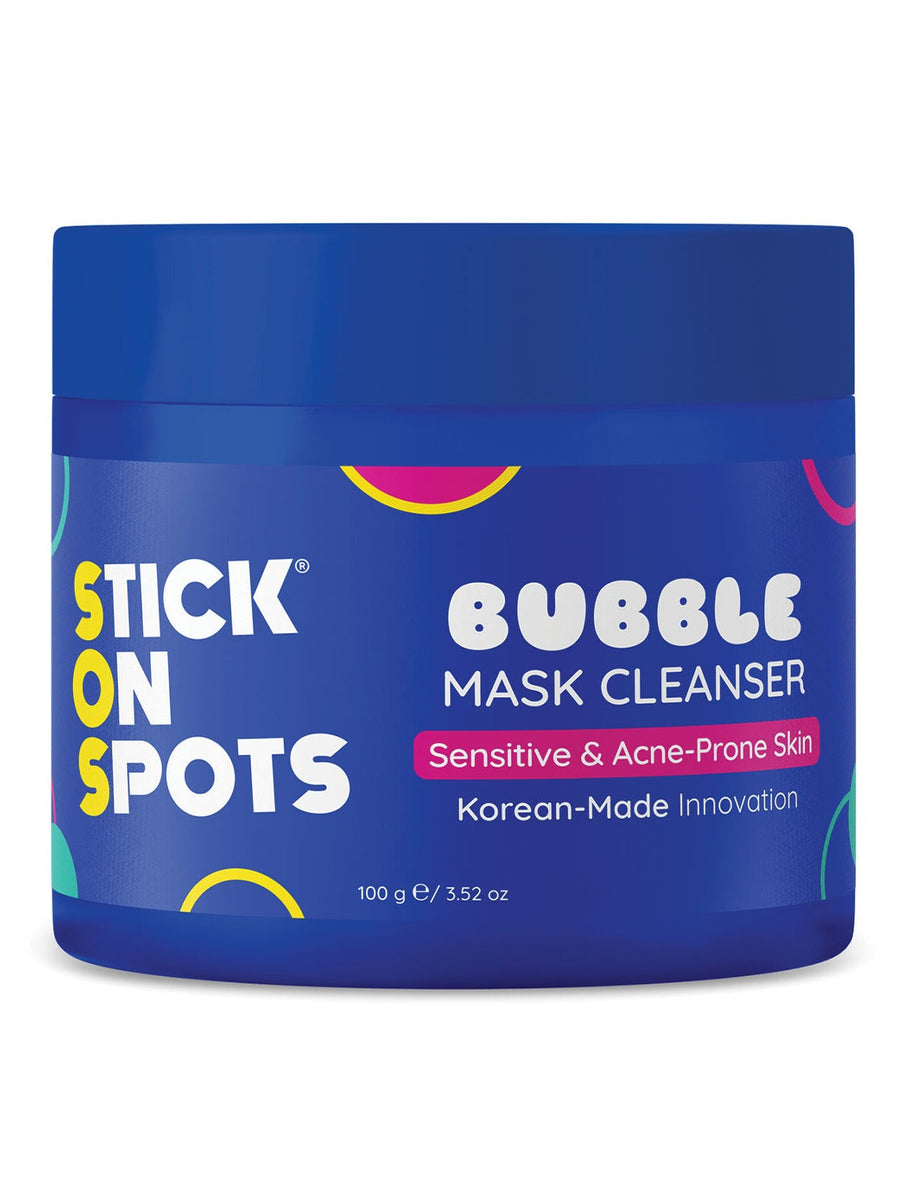
Start with a non-stripping cleanser. S.O.S Bubble Mask Cleanser - Stick on Spots fits before patches because clean, dry skin helps hydrocolloid adhere properly. You can also browse Korean cleansers if your current wash leaves skin tight or slick.
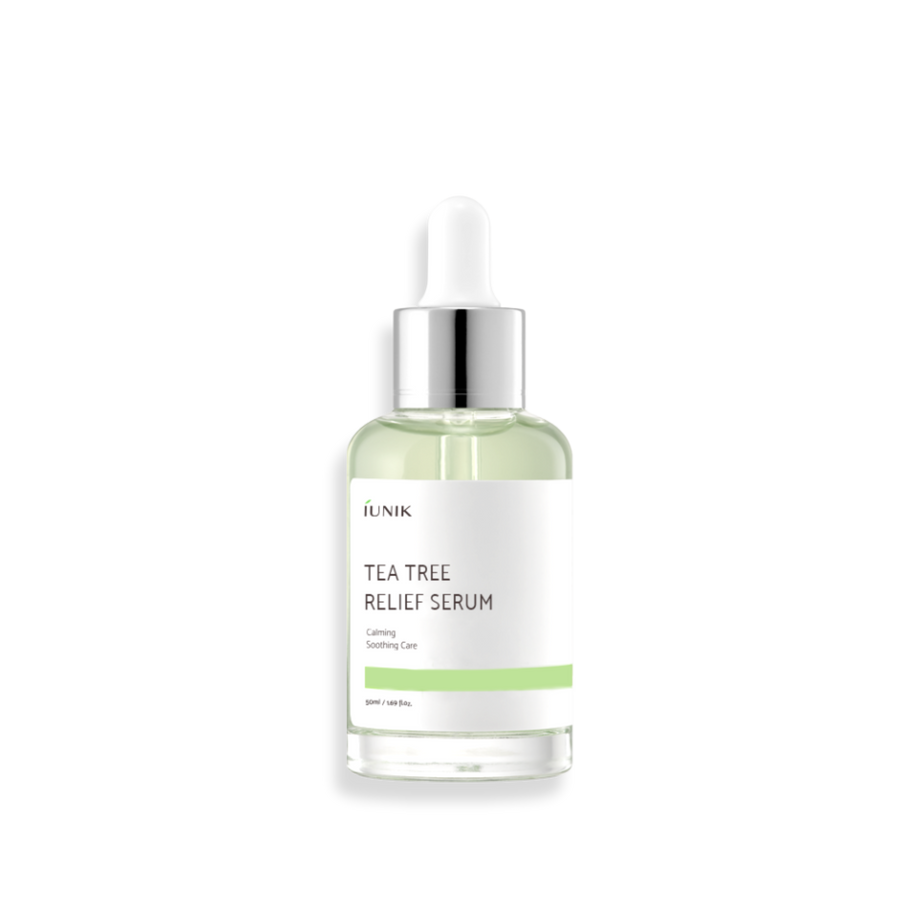
For blemish-prone skin, a calming toner or serum can help make the rest of the routine feel more balanced. The iUNIK Tea Tree Relief Serum is a lightweight option in a blemish-focused routine, especially when skin also feels sensitive. For skin that looks uneven or red, Anua Azelaic Acid 10 Hyaluron Redness Soothing Serum may help support a more even-looking complexion.
The American Academy of Dermatology notes that pustules are commonly managed with acne ingredients such as benzoyl peroxide or salicylic acid washes, and that people should consider seeing a dermatologist if they are not seeing results after six to eight weeks. Over-the-counter adapalene is another common acne-routine ingredient in the US, but introduce active ingredients slowly and avoid layering too many exfoliating or drying products at once.
For more routine building, see our guide to Korean skincare for blemish-prone skin. If you already know you want patches, our comparison of the best Korean pimple patches explains how to choose between sizes and styles. You can also shop the pimple patches and microcone patches collection or browse skincare for blemish-prone skin.
When to skip the patch and get help
Skip the patch-only approach if the breakout is deep, painful, recurring in the same area, or leaving pitted scars or stubborn discoloration. According to the American Academy of Dermatology, nodules and cysts go deeper into the skin and can lead to permanent scarring, so they need medical guidance rather than relying on spot patches alone.
Also be cautious with medicated patches that include salicylic acid, tea tree oil, or other actives if your skin is reactive. These can be useful for some people, but they may feel too intense on delicate or freshly picked skin. Patch test new products, especially if you are sensitive, and stop using anything that stings, burns, or makes the area look more irritated.
Finally, do not put a patch over a large wound, a spreading rash, or skin that looks infected. Pimple patches are cosmetic spot-care tools, not substitutes for medical care.
How to shop pimple patches without overthinking it
Choose based on the blemish and your habits. For a whitehead before bed, use a simple hydrocolloid patch. For a spot you keep touching, choose a patch you will actually leave on. For a larger picked-open area, choose a larger patch so the adhesive does not sit directly on the most delicate center.
At Koreos in Boca Raton, the S.O.S patch assortment is curated for quick, practical spot care, and orders placed by 5pm ET on business days usually ship the same day. US orders $35+ ship free, so patches are easy to add to a routine refill.
FAQ
How long should you leave a pimple patch on?
Most hydrocolloid patches are best worn for 6–8 hours or overnight. Remove or replace the patch when it turns cloudy, swollen, or starts lifting at the edges.
Do pimple patches work on cystic acne?
Usually not very well. Deep, painful cystic bumps sit below the surface, so a patch cannot reach the deeper inflammation. See a dermatologist for cystic, scarring, or persistent acne.
Can you put skincare under a pimple patch?
It is better not to. Apply the patch to clean, completely dry skin before moisturizer, facial oil, or sunscreen in that area so it can stick properly.
Why did my patch turn white?
That cloudy white look usually means the hydrocolloid absorbed fluid from the blemish. It is a sign the patch has done its job and can be replaced if the spot still needs covering.
Can I wear makeup over a pimple patch?
You can, but makeup may make the patch more noticeable or loosen the edges. For best adhesion, wear the patch on bare, dry skin and apply makeup around it if needed.